Think you know your instruments?
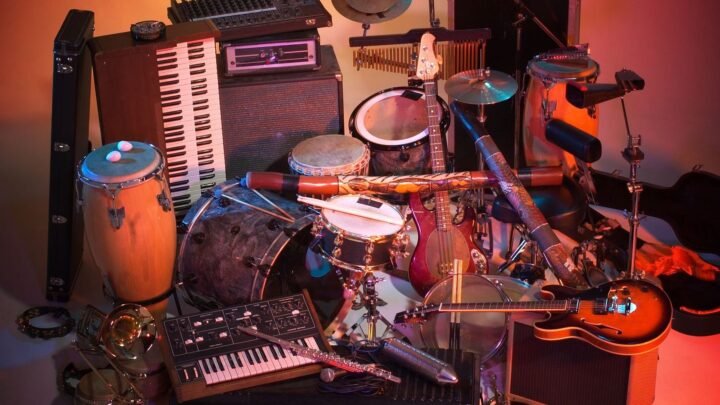
It’s easy enough to spot a guitar or a piano, but things get a lot trickier once you move past the obvious ones. Some will feel familiar straight away, others might leave you second-guessing halfway through. We’ve described each one without naming it, so you’ll have to rely on what you actually know rather than what you think you recognise. Take your time, trust your gut, and see how many you can get before peeking at the answers.
1. The little island-sounding one

This small, four-string instrument is often linked to relaxed, beachy sounds. It’s easy to pick up as a beginner and produces a soft, cheerful tone that feels light and upbeat. You’ll usually see it in acoustic settings, and it’s much smaller than a standard guitar, which makes it popular for travel and casual playing.
2. The school music room classic
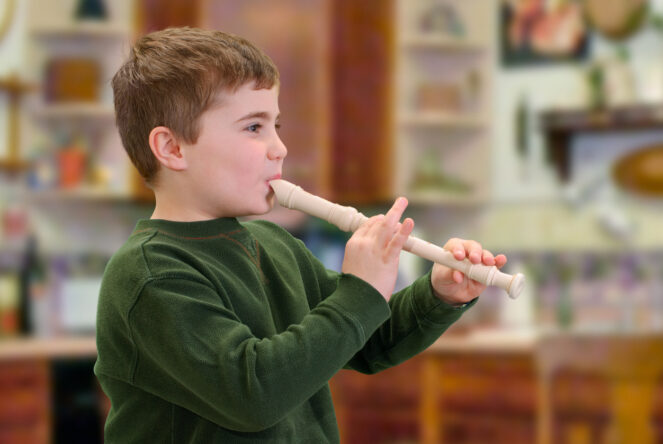
This simple wind instrument is often one of the first people learn at school. It produces sound by blowing air across a mouthpiece while covering holes along its body. It’s lightweight, easy to carry, and commonly used to teach basic music skills, even though its roots go back much further than the modern classroom.
3. The big one in the corner of the room
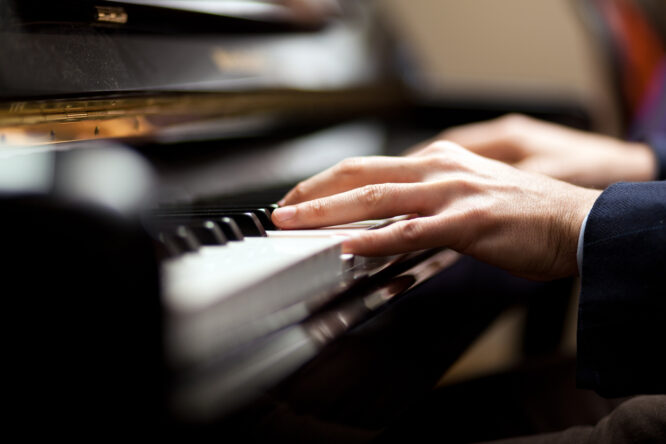
This large instrument is known for its wide range and deep, rich sound. It’s played by pressing keys that strike strings inside a wooden frame. You’ll often see it in concert halls or living rooms, and it can be used for everything from classical pieces to modern pop.
4. The low-end backbone
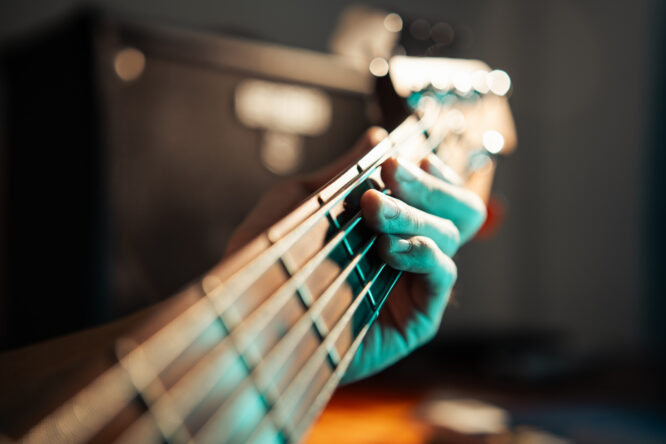
This string instrument looks similar to a guitar, but usually has fewer strings and produces deeper tones. It’s often used to support rhythm rather than lead melodies. It plays a key role in bands, connecting the drums and melody by giving everything a steady low-end sound.
5. The slender woodwind with attitude
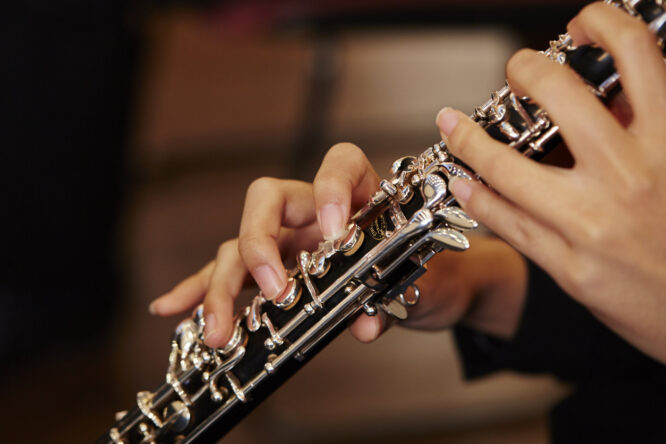
This slender woodwind instrument produces a clear, slightly sharp tone. It requires careful breath control and has a distinctive, expressive sound. It’s commonly used in orchestras and can stand out even among lots of other instruments because of its unusual voice.
6. The curly brass one
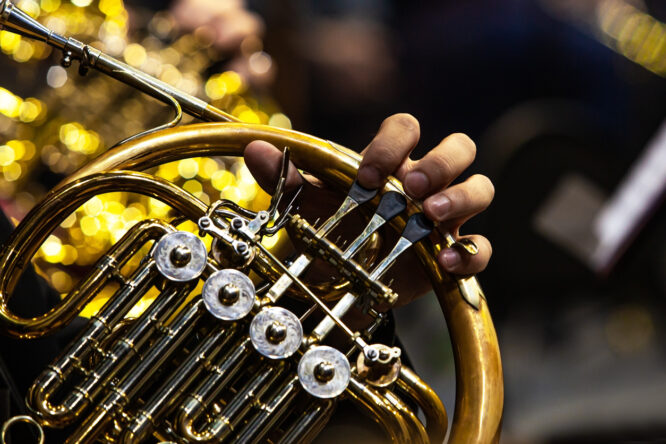
This brass instrument is easy to recognise by its circular shape and wide bell. It produces a warm, mellow sound that blends nicely with others. Players use their hand inside the bell to help shape the tone, which makes it both visually and technically distinctive.
7. The folk festival favourite
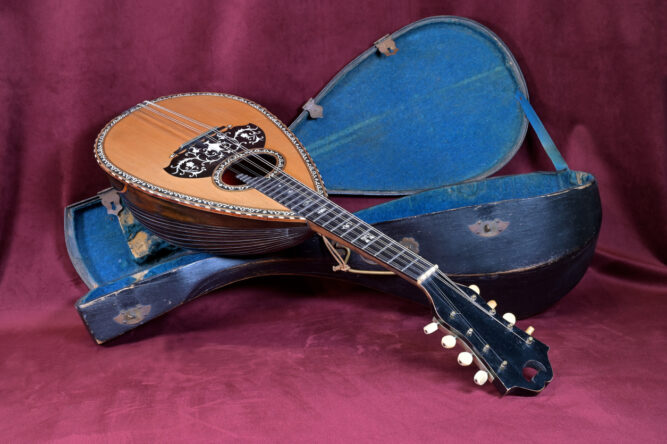
This small, rounded string instrument is often associated with folk music. It has a bright, slightly sharp tone and is played by plucking or strumming. It looks similar to a guitar in shape but is much smaller, and its sound cuts through easily in group settings.
8. The smooth jazz showstopper

This curved brass instrument is known for its smooth, flowing shape and bold sound. It’s often used in jazz but turns up in many other styles too. Its tone can range from soft and smooth to loud and expressive, depending on how it’s played.
9. The orchestra’s emotional heart
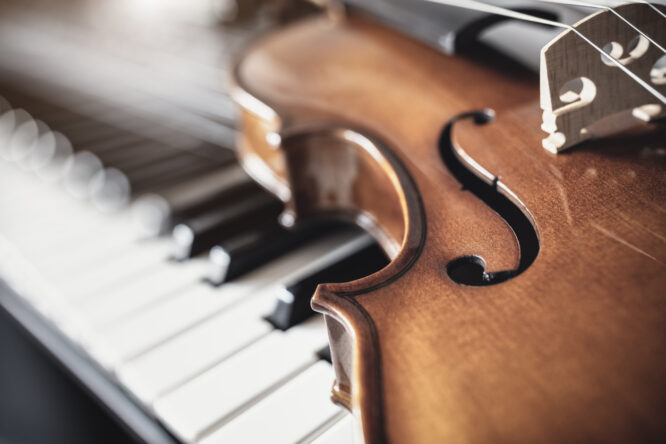
This classic string instrument is played with a bow and is known for its emotional, expressive sound. It’s a key part of any orchestra. It rests under the chin while being played and can produce both delicate and powerful tones, sometimes in the same piece of music.
10. The tall, elegant one
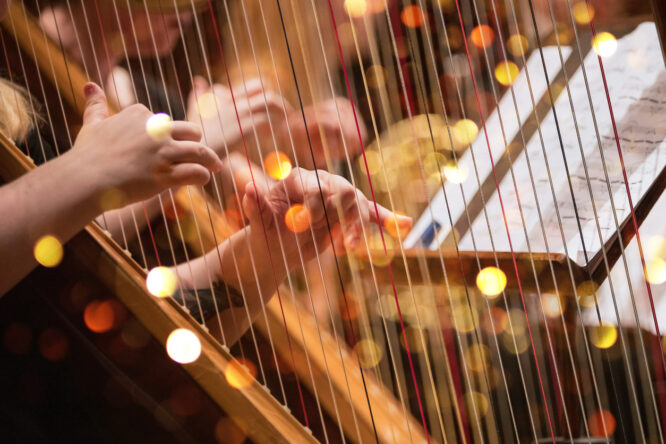
This tall, elegant instrument has many strings stretched across a large frame. It’s played by plucking and produces a soft, flowing sound. You’ll often see it in orchestras or as a solo instrument, and it’s known for its calming, almost dreamlike tone.
11. The blues player’s pocket pick

This small handheld instrument is played using both breath and hand movement. It creates sound as air moves through metal reeds. It’s often used in blues and folk music and is easy to carry, which makes it popular for casual, informal playing.
12. The shaker in every primary school
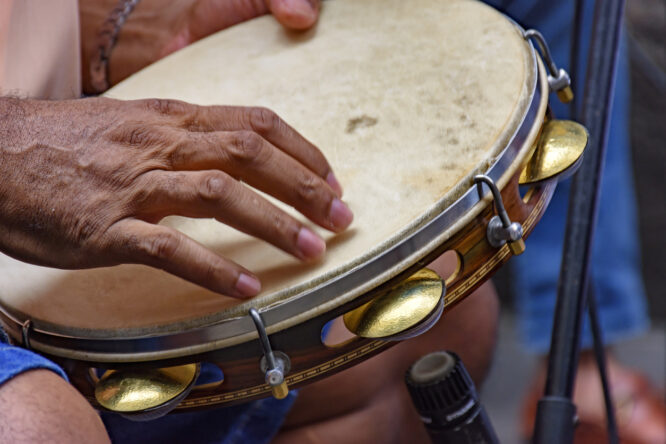
This percussion instrument is held in one hand and shaken or struck. It produces a rhythmic sound with the help of small metal discs. It’s often used to add texture and energy to music rather than carry the main rhythm.
13. The simplest one in the orchestra
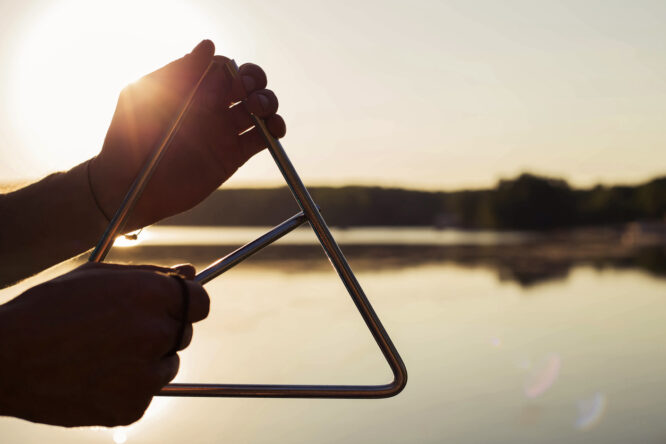
This simple metal instrument produces sound when struck with a small beater. It creates a clear, ringing tone. It’s often used in classrooms and orchestras, and despite how simple it looks, it adds a sharp, distinct sound that’s hard to miss.
14. The bedroom musician’s first love

This widely used string instrument is played by strumming or plucking. It’s known for its versatility across just about every music style going. You’ll find it in everything from solo performances to full bands, and it’s one of the most recognisable instruments in the world.
15. The bold brass voice

This brass instrument is known for its bright, powerful sound. It’s often used for bold, attention-grabbing melodies. It’s compact compared to other brass instruments but can produce a strong, clear tone that carries well across a room.
16. The country and bluegrass standout
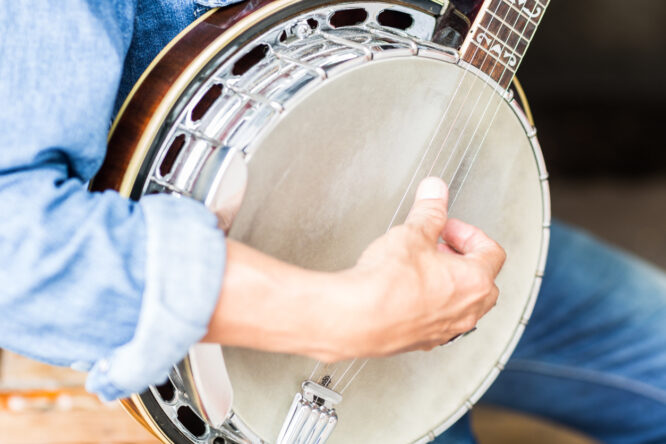
This string instrument has a circular body and produces a distinctive, twangy sound. It’s often associated with certain traditional music styles. It’s played by plucking the strings and has a very recognisable tone that stands out instantly.
Answers

1. Ukulele. 2. Recorder. 3. Piano. 4. Bass guitar. 5. Oboe. 6. French horn. 7. Mandolin. 8. Saxophone. 9. Violin. 10. Harp. 11. Harmonica. 12. Tambourine. 13. Triangle. 14. Acoustic guitar. 15. Trumpet. 16. Banjo.
If you got all 16, you’re clearly not just guessing your way through, you’ve got a proper ear and a good eye for the instruments most people would hesitate on. Even getting close puts you ahead of most, since a few of these can really catch people out.