Scientists have found something surprisingly simple that could help clean water more effectively.
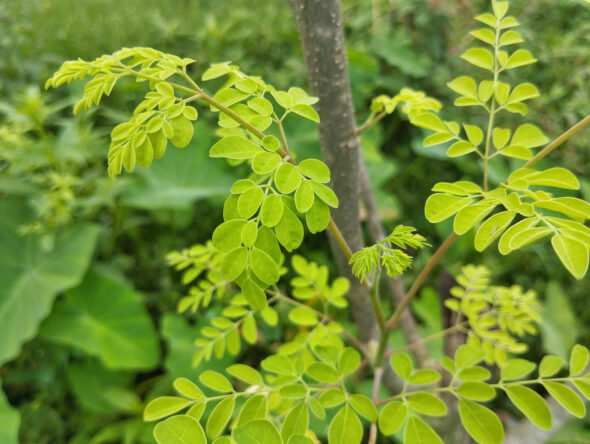
A common plant, one that’s already grown and used in many parts of the world, might be able to remove microplastics, which have now been found in rivers, lakes, and even drinking water, which is why researchers are trying to find better ways to remove them.
In a new study out of Brazil, researchers used seeds from a plant called moringa. When they added an extract made from these seeds to water containing microplastics, something useful happened. Instead of staying as tiny floating pieces, the plastics started sticking together, forming larger clumps that are much easier to remove with standard filtering methods.
What microplastics are and why they’re so concerning
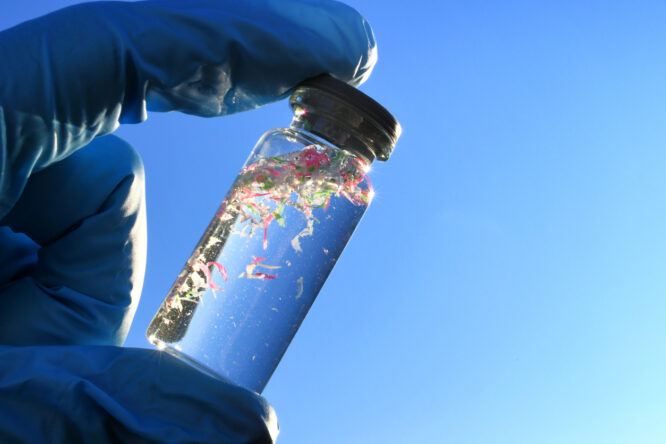
Microplastics are tiny pieces that break off from larger plastic items like bottles, packaging, tyres, and even synthetic clothing. As time goes on, these materials wear down into smaller and smaller fragments, eventually becoming so small they can’t be seen without special equipment.
The problem is that once they reach that size, they’re very difficult to remove from water. Traditional filtration systems aren’t always designed to catch particles that small, which means they can stay in the water supply and continue circulating through the environment.
What the scientists tested
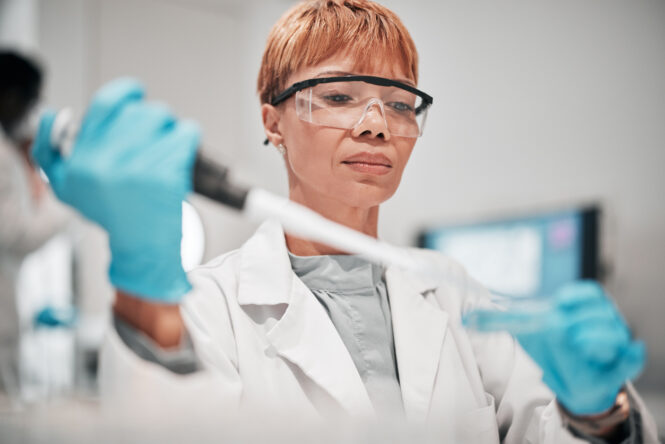
To understand how to deal with this, the researchers created water samples containing microplastics so they could test different removal methods under controlled conditions. They then introduced an extract taken from moringa seeds into the water.
What they observed was a clear change in how the particles behaved. Instead of remaining evenly spread out and difficult to catch, the microplastics began to gather together into visible clusters, which made them far easier to separate from the water.
Why moringa works so well
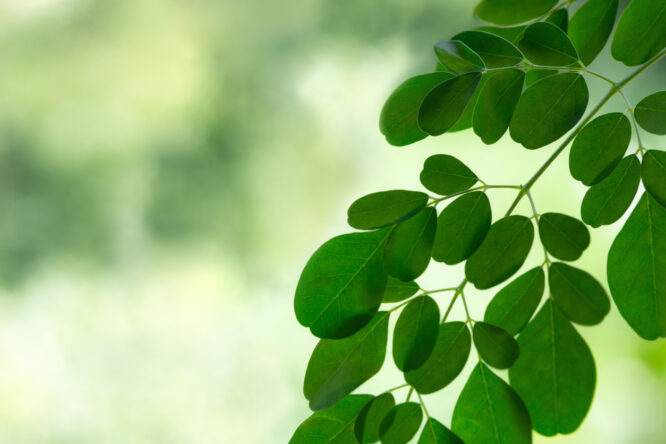
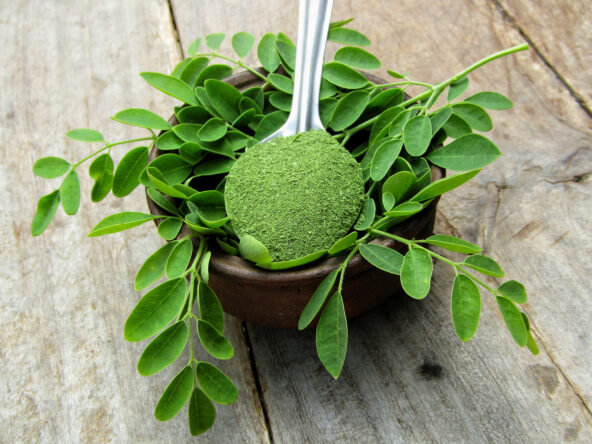
The reason this happens comes down to the natural compounds inside the moringa seeds. These seeds contain proteins that can attract and bind small particles together, acting almost like a natural adhesive. When added to water, these proteins attach to the surface of the microplastics and help them link up with each other. As more particles join together, they form larger clumps, which are much easier to remove using basic filtration or settling methods.
Why this could be useful
At the moment, water treatment plants often rely on chemical processes to achieve a similar effect, forcing small particles to stick together so they can be removed. While effective, these chemicals can be expensive and may not always be ideal, especially in areas with limited resources.
A plant-based alternative could offer a simpler option. Because moringa trees are already grown in many parts of the world, especially in warmer regions, this method could be more accessible and potentially cheaper to use in communities that don’t have advanced treatment systems.
It’s still being tested.

This research has been carried out in controlled environments, which means it’s still at an early stage. Scientists need to test how well this method works in larger systems and in real-world conditions where water quality can vary. Even so, the results so far are encouraging. They show that a natural material can perform a similar role to industrial chemicals, which opens up new possibilities for improving how water is cleaned.