We’ve all stood waiting by the letterbox for a package that was supposed to arrive days ago, only to be met with a “we’re sorry” notification that doesn’t actually help.
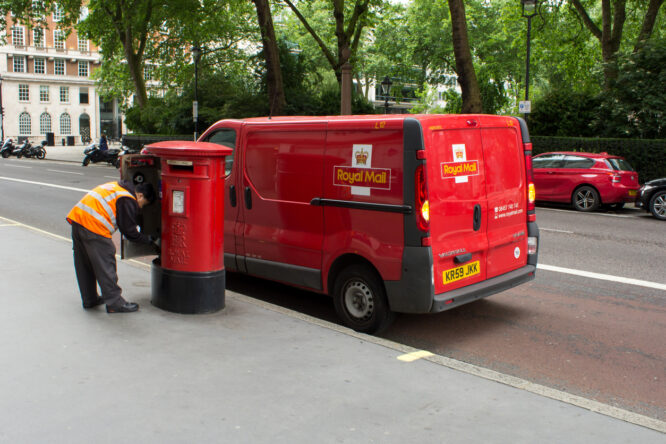
While it’s easy to assume a late delivery is just something you have to shrug off, you’re not actually at the mercy of the postie’s schedule and might be entitled to some of your money back. It’s not a well-advertised process, and Royal Mail certainly doesn’t make it easy to figure out the difference between a standard delay and something that triggers a payout.
Whether you’re dealing with a First Class stamp that took a week or a Special Delivery that missed its guaranteed slot, there are specific rules on what you can claw back and how long you have to wait before you can officially make a claim. Here’s the lowdown on what you’re actually owed when the post is dragging its feet and the hoops you’ll need to jump through to get your compensation.
How Royal Mail decides if you’re entitled to compensation
Everything starts with the service used. Royal Mail doesn’t treat all deliveries the same, and compensation is built around that. Standard services like 1st and 2nd Class operate on delivery aims rather than guarantees, which means delays don’t always trigger compensation. In contrast, premium services come with clearer terms. These are the ones where Royal Mail has made a stronger commitment about timing, and where you’re more likely to have a valid claim if that commitment isn’t met.
The difference between a delay and a failed service

A key detail people miss is that a late delivery isn’t always classed as a failure. For standard post, Royal Mail sets expected delivery windows, but those aren’t strict deadlines. Only once an item goes beyond a certain point does it move from being “late” to officially delayed in a way that may qualify for compensation. That waiting period is built into the system, which is why claims can’t usually be made straight away.
Why Special Delivery Guaranteed is treated differently

Special Delivery Guaranteed sits in its own category because it includes a firm delivery promise. You’re not just paying for speed, you’re paying for a defined outcome. If that promise isn’t met, the claim is much clearer. Instead of debating whether a delay is acceptable, the question becomes whether the guarantee was broken, which is far easier to assess.
Where people misunderstand tracked services

Tracked services often give a false sense of protection. Being able to follow a parcel doesn’t mean it’s covered for delays in the same way as guaranteed services. These products are designed to provide visibility rather than strict delivery commitments. That’s why delays on tracked services don’t always lead to compensation, even when the tracking shows it arrived later than expected.
Why international deliveries follow different rules

Once an item leaves the UK, Royal Mail’s control over delivery drops considerably. At that point, other postal systems and logistics networks take over. Because of that, delay compensation for international items is much more limited. Claims are more likely to focus on loss or damage rather than timing, which is where expectations often don’t match reality.
The role of evidence in making a successful claim

Proof of posting is essential if you want to claim anything. Without it, there’s no way to confirm when the item entered the system or what service was used. For higher-value claims, you may also need to show what the item was worth. That can include receipts or other records. The strength of your evidence often matters more than the delay itself.
What compensation usually looks like in practice

For standard delays, compensation is usually modest. It might cover the cost of postage or offer a small fixed amount rather than reflecting the inconvenience caused. Larger payouts are generally linked to loss, damage, or premium services. Delay alone, especially on basic services, rarely results in anything substantial.
The time limits that can affect your claim
Claims must be made within specific timeframes, and these vary depending on the service. Missing the deadline can mean losing your right to claim altogether. Some services have shorter windows than others, particularly those with guaranteed delivery. Acting quickly makes a big difference, especially if you’re unsure whether your situation qualifies.
What the claims process involves

Submitting a claim is relatively straightforward. You can do it online or by post, and you’ll need to provide details about the item, the service, and your supporting evidence. Once submitted, Royal Mail reviews the information and decides whether the claim meets its criteria. If approved, compensation is usually issued by cheque.
Why this issue is getting more attention

Delivery delays have become more noticeable, which has led to more people questioning what they’re entitled to. As awareness grows, more people are looking into the rules rather than just accepting delays. That doesn’t mean the system has changed dramatically. It just means more people are now aware that compensation exists, even if it’s limited in many cases.
What people should do differently going forward

If timing really matters, it’s worth choosing a service that includes a clear delivery guarantee rather than relying on standard options. That gives you a stronger position if something goes wrong. For everyday post, keeping proof of posting and understanding the claim window puts you in a much better position. It means you’re not relying on guesswork if you need to make a claim.
What this ultimately comes down to

Royal Mail compensation isn’t based on how frustrating a delay feels. It’s based on the service used and whether it meets specific criteria. Understanding those rules in advance is what makes the difference. It turns a delayed delivery from something you just put up with into something you can actually challenge when it qualifies.