We often think of dog ownership as a series of responsibilities—the early morning walks, the constant vacuuming of fur, and the inevitable sacrifices to our social calendars
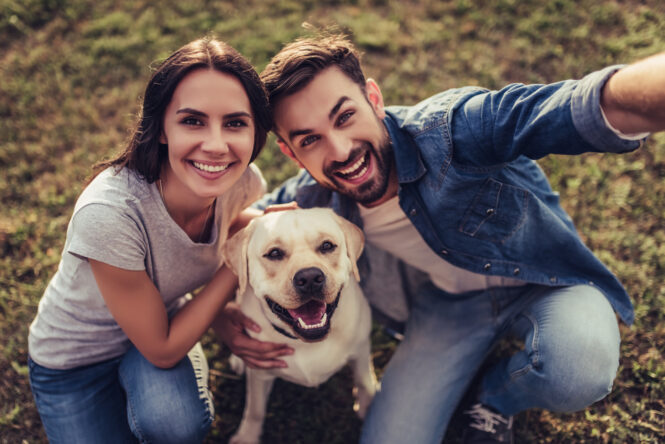
Those things are all part of the deal, of course, but the trade-off is much more important than just companionship. Beyond the obvious joy of having a pet, researchers are finding that people who live with dogs tend to fall into a specific set of daily patterns that are practically a blueprint for longevity.
It’s not just that the dog needs to go out; it’s that the act of meeting those needs forces us into a lifestyle of consistent movement, lower stress, and a level of social interaction we might otherwise skip. These shared habits act like a quiet insurance policy for our health, subtly protecting our hearts and minds in ways that have nothing to do with a gym membership.
If you’ve ever wondered why your life feels more balanced since bringing a four-legged housemate home, it turns out your dog has been training you to live longer all along. Here are some of the behaviours that make that so.
The fact you get out the house even when you really don’t want to means something.
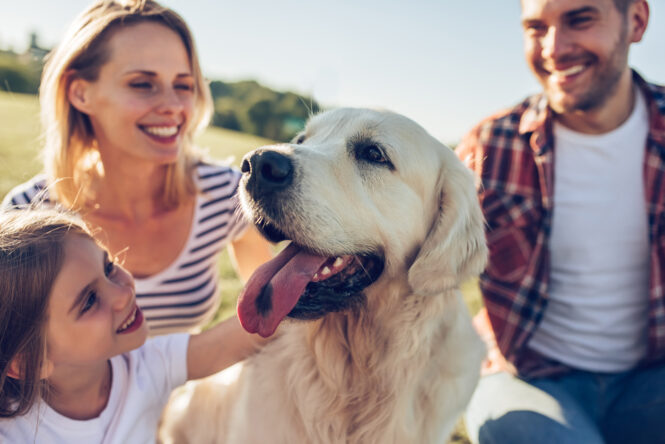
This is probably the biggest one, and it’s also the least glamorous. There are loads of days when you’d happily stay in, scroll your phone, and tell yourself you’ll be more active tomorrow. That doesn’t really work when there’s a dog staring at you waiting for a walk. So you go anyway, even if it’s just a short one.
The consistency is where the benefit sits. It’s not about smashing out big workouts or hitting targets, it’s about the fact you keep moving on days when you wouldn’t otherwise bother. Over time, that adds up in a way most stop-start fitness routines never do.
You don’t stay stuck in one spot for hours like most people do.
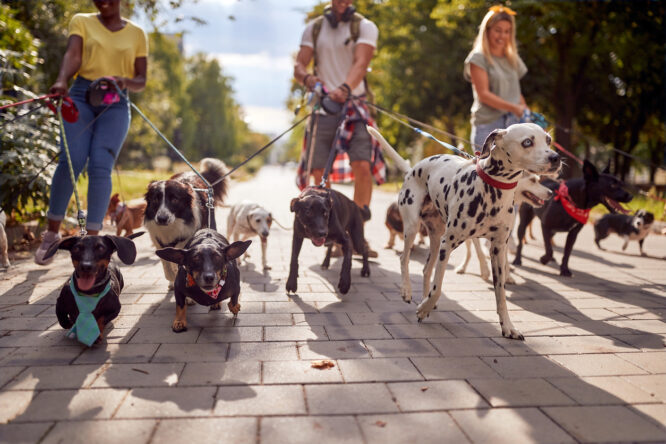
Even outside of walks, dogs break up your day without you thinking about it. You’re getting up to let them out, moving around the house more, picking things up, heading back outside again. It sounds minor, but it stops that long stretch of doing nothing that a lot of people fall into.
That’s important because sitting for hours on end has turned into one of the bigger health risks people overlook. Dog owners don’t really get that same pattern, not because they’re trying to be healthier, but because their day just doesn’t allow for it.
Stress affects you differently when there’s a dog involved.
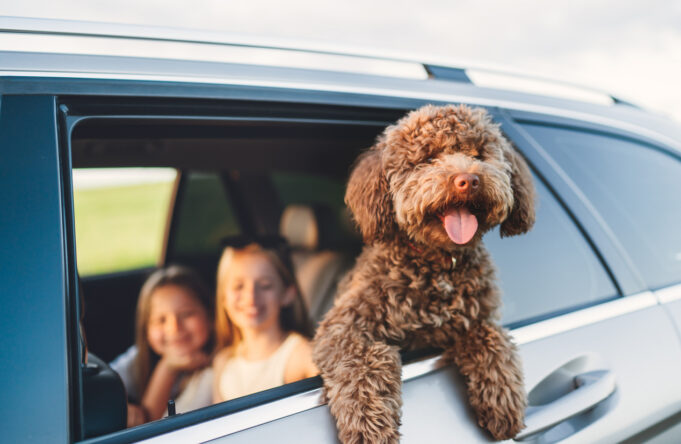
Nothing about life suddenly becomes easy, but it does change how it feels when you come back to a dog that’s just happy you’re there. It sounds basic, but it takes the edge off things in a way that’s hard to explain unless you’ve experienced it.
There’s actual science behind it, but you don’t really need that to feel the difference. You’re more likely to step outside and clear your head, more likely to take a break, and less likely to sit there stewing in whatever’s gone wrong that day. That alone can make a difference over time.
You’re not as cut off from people as you think you are.
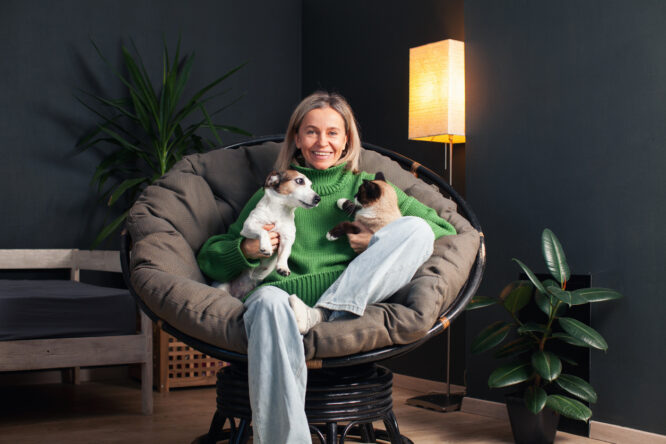
Even if you’re not the chatty type, dogs pull you into small bits of interaction. You end up seeing the same faces on walks, having quick conversations, or just acknowledging people you’d normally ignore. It’s nothing deep, but it’s still contact.
That kind of low-level social interaction is something a lot of people are missing now, especially if they work from home or keep to themselves. Dogs don’t fix loneliness completely, but they do stop you from drifting too far into it.
Your day ends up having a bit of structure without you forcing it.

Dogs don’t really care how messy your schedule is, they still expect food and walks at roughly the same times. That naturally pulls your day into some kind of shape, even if everything else feels a bit chaotic. It’s not that you’re suddenly super organised; it’s just that you’ve got a few fixed points in the day. Over time, that tends to lead to better sleep, more regular eating, and a general sense that things aren’t completely all over the place.
When something goes wrong health-wise, you’ve got a reason to keep going.

This is something people don’t talk about much, but it shows up in research quite a bit. People recovering from things like heart problems often do better if they’ve got a dog, and a lot of that comes down to having something that still needs you.
It gives you a push to get moving again, even when you don’t feel like it, and it adds a bit of purpose when things feel uncertain. That combination seems to help people bounce back in a way that’s hard to replicate on your own.
You tend to stay a bit more active without overthinking it.
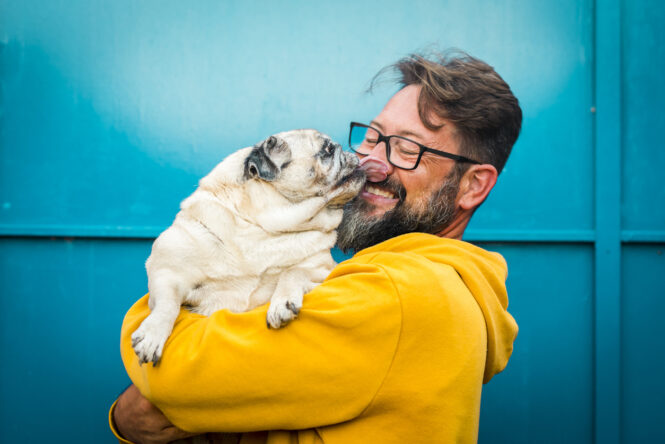
Most people either go all in on being healthy or not at all, and it usually doesn’t last. Dog owners sit somewhere in the middle. You’re not training for anything, but you’re also not completely inactive. That middle ground is probably where the real benefit is. Regular walks, being on your feet more, getting outside most days, it all helps keep things ticking over without turning it into a big effort.
Your mood has something steady to lean on.
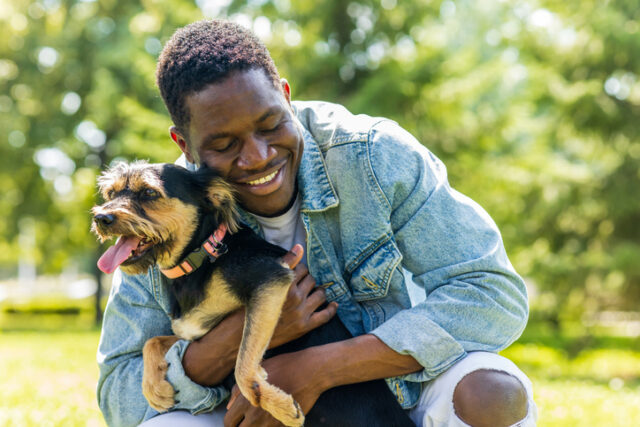
People can be unpredictable, life can feel up and down, but dogs are usually the same every day. They’re pleased to see you, they want your attention, and they don’t really bring extra stress into the mix. Such consistency can make a bigger difference than it sounds. It doesn’t solve everything, but it gives you something consistent to come back to, and that can help keep your head in a better place over time.
The habits actually stick, which is where most people struggle.

A lot of the things that help people live longer aren’t complicated, they’re just hard to keep going. That’s usually where it falls apart. Motivation fades, routines slip, and people drift back into old patterns.
Dogs don’t let that happen in the same way. You can have a lazy day, but you can’t have a lazy month. That gentle level of pressure is probably one of the biggest reasons dog owners end up with better long-term habits without really trying to build them.