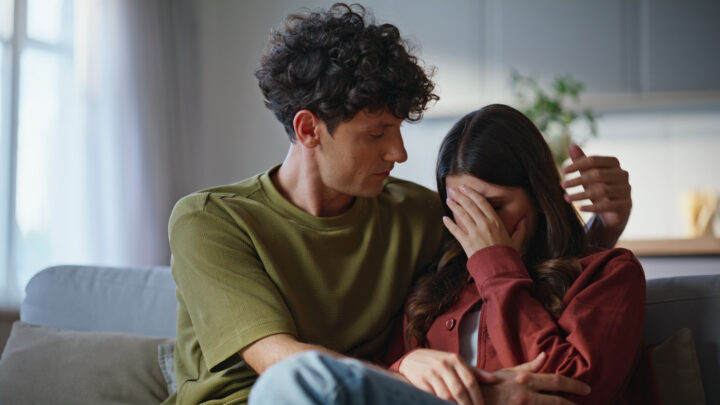
Preferring your own company isn’t something that happens overnight, and it’s rarely just down to personality alone.
For some people, it’s always been there in a subtle way. For others, it builds over the years through small moments that slowly change how social life feels. Being alone can feel calm, predictable, and easy to manage, especially when being around other people has felt complicated, draining, or just not that rewarding. Once that feeling settles in, it starts to make sense why some people choose solitude without thinking twice about it. These are some of the experiences that shape a desire for solitude.
Growing up where closeness felt a bit unpredictable

Early relationships set the tone more than people realise. If home felt tense, inconsistent, or emotionally hard to read, you might have learned to stay on edge without even noticing it. That kind of environment doesn’t always create obvious problems, but it can make closeness feel like something you have to manage rather than relax into.
Later on, being alone can feel like the first time things are fully under control. There’s no guessing what someone else is thinking, no trying to keep the peace, and no pressure to respond in a certain way. It’s just quiet, and for a lot of people, that quiet feels like relief.
Getting used to rejection and deciding it’s easier not to chase connection

People don’t usually pull back for no reason. If you’ve had enough experiences where you felt left out, brushed off, or like you didn’t quite fit, it builds up in a way that’s hard to explain. It’s not always one big moment, sometimes it’s a long run of smaller ones that slowly change how you see social life.
At some point, your brain starts to take the hint. Instead of putting yourself in situations that might leave you feeling the same way again, you step back. Being alone then feels like a choice rather than a loss because it comes without that familiar sting.
Carrying the weight of awkward or uncomfortable social experiences

Not every negative experience is dramatic, but even mild awkwardness can shape things over time. If social situations have often felt uncomfortable, tense, or slightly off, it can make you more aware of yourself in ways that don’t feel great.
That awareness can follow you into new situations, making everything feel like a bit of a performance. Being alone removes that layer completely. There’s nothing to prove, nothing to get wrong, and nothing to replay later in your head.
Feeling like you don’t quite match the people around you
Some people spend years feeling slightly out of step with everyone around them. It might be your interests, your personality, your sense of humour, or just the way you see things. It’s not always something you can point to clearly, but it’s there.
After a while, trying to fit in can feel more tiring than it’s worth. Being alone lets you drop that effort. You don’t have to edit yourself or explain anything, which makes your own company feel more natural than constantly adjusting to everyone else.
Realising socialising takes more out of you than it gives back

There’s a big difference between liking people and having the energy for them. Some people leave social situations feeling lifted, while others feel worn down, even if they enjoyed parts of it. When that happens often enough, it changes how you approach things. You start to protect your time and energy a bit more, and being alone becomes the place where you actually recharge rather than just get through the day.
Learning to rely on yourself because it felt more dependable
When you get used to handling things on your own, it builds a kind of independence that sticks. You learn that you can manage your life without leaning too heavily on anyone else, which can feel steady and reliable. That doesn’t mean you don’t value people, but it can make solitude feel like the default setting. It’s familiar, it works, and it doesn’t come with the uncertainty that sometimes comes with depending on anyone else.
Holding onto more from your past than you let on
Some experiences don’t get talked about much, but they still shape how safe connection feels. Whether it’s difficult relationships, trust issues, or things that never quite resolved, they can sit in the background and influence your choices.
Being alone then becomes a space where none of that is triggered. There’s no need to explain yourself, open up, or deal with anything you’re not ready for. It feels simpler, and that simplicity can be hard to give up.
Getting overwhelmed by too much noise, people, or stimulation
Not everyone processes the world at the same pace. For some, busy environments, constant conversation, and social expectations can feel like a lot to take in all at once. Time alone gives your mind a chance to settle. It’s not about avoiding people, it’s about creating a space where everything slows down and feels manageable again.
Finding that your best thinking happens when you’re by yourself

There’s also a more positive side to all of this that often gets overlooked. Some people genuinely feel clearer, calmer, and more focused when they’re on their own. That kind of solitude isn’t heavy or isolating, it’s productive and grounding. It’s where ideas come together, where emotions make sense, and where you feel most like yourself.
Realising that being alone and being lonely aren’t the same thing
One of the biggest misunderstandings is treating solitude and loneliness as if they’re identical. They’re not. You can be surrounded by people and feel lonely, or be completely on your own and feel perfectly content. Once that clicks, it changes how you see your own preferences. Wanting time alone doesn’t automatically mean something’s missing. It can simply mean you’ve found a rhythm that works for you.
Questioning whether your preference is a choice or a fallback
This is where things get a bit more honest. For some people, being alone is a genuine preference. For others, it’s where they’ve ended up after enough experiences made connection feel difficult or not worth the risk.
There’s no need to judge either version, but it’s worth noticing the difference. If solitude feels calm, chosen, and flexible, it’s probably something that suits you. If it feels like the only place you can relax, it might be pointing to something deeper that hasn’t quite been worked through yet.
Why this preference often makes more sense than people think

When you step back and look at all of this together, preferring to be alone stops looking strange or concerning. It starts to look like a natural response to how your life has felt so far.
For some people, it’s personality. For others, it’s experience. Most of the time, it’s a mix of both. Either way, it’s not something that needs fixing by default. It just needs understanding because once you understand it, you can decide for yourself whether your version of being alone is giving you what you actually need.