There’s something oddly satisfying about seeing how Americans try to figure out British food.

It turns out the “special relationship” we have with our friends across the pond doesn’t extend to the dinner table, the overwhelming results of a recent survey shows that most Americans are completely stumped by our national menu. We’re not talking about obscure regional delicacies, either; even the most basic cupboard staples are leaving them baffled.
While we might think a Scotch egg or a plate of bangers and mash is self-explanatory, a huge number of people across the pond can’t even put a name to 6 of these 11 classics. It’s a real reminder of just how much of a cultural gap there still is when it comes to what we consider comfort food. From things that look unusual to names that just don’t translate, here’s a look at the British dishes that are currently defeated even the most adventurous American foodies.
Bubble and squeak doesn’t give anything away.
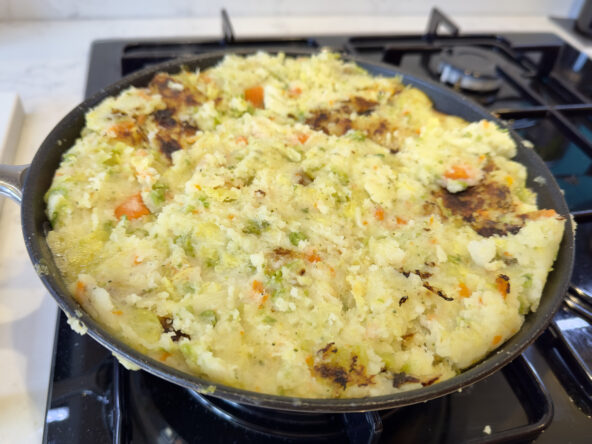
If you didn’t grow up with it, there’s no obvious clue in the name. It sounds more like something playful than a leftover-based meal made from potatoes and cabbage, which is exactly what it is at its core. Visually, it doesn’t help itself either. It can look like a hash, a fried mash, or just a rough mix thrown together in a pan. Without knowing the context, it’s hard to confidently identify, which is why it’s one of the dishes people guess wrong most often.
Shepherd’s pie isn’t really a pie at all.
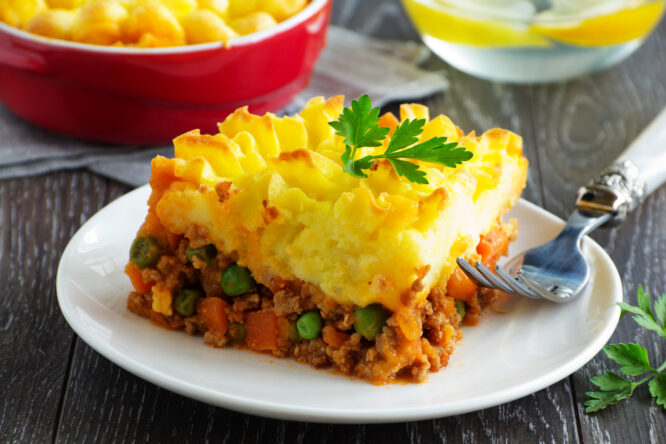
This is where expectations start to clash properly. In the US, a pie almost always means pastry, usually with a sweet filling. So when they see shepherd’s pie, it doesn’t match what the name suggests at all. It’s essentially minced lamb topped with mashed potato, baked into a comforting dish, but without that pastry layer, it feels mislabelled from their point of view. That disconnect between name and structure is what throws people off straight away.
Black pudding definitely isn’t what they expect.
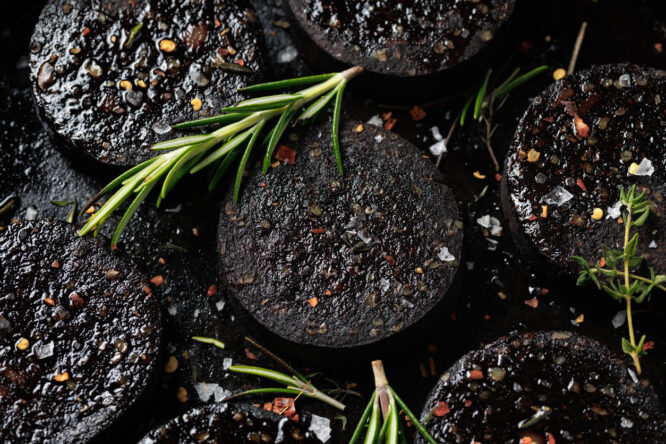
The word pudding already creates confusion, but this one takes it further. Most people outside the UK expect something sweet, soft, and dessert-like, which couldn’t be further from the truth here. When they see it, it often just looks like a dark slice of sausage. Without knowing what it is or how it’s made, people tend to hesitate or guess incorrectly because it doesn’t match anything familiar in their own food culture.
Toad in the hole looks nothing like the name suggests.
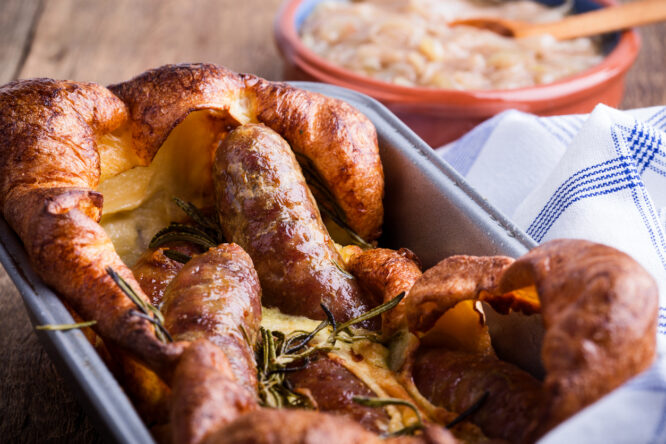
This is one of those dishes where the name gives absolutely nothing away. There’s no visual or logical link between the words and what actually ends up on the plate. It’s sausages baked in Yorkshire pudding batter, but to someone unfamiliar, it just looks like sausages sitting in a thick, uneven pastry. Without prior knowledge, it’s very easy to misidentify or assume it’s something else entirely.
Yorkshire pudding isn’t a dessert.
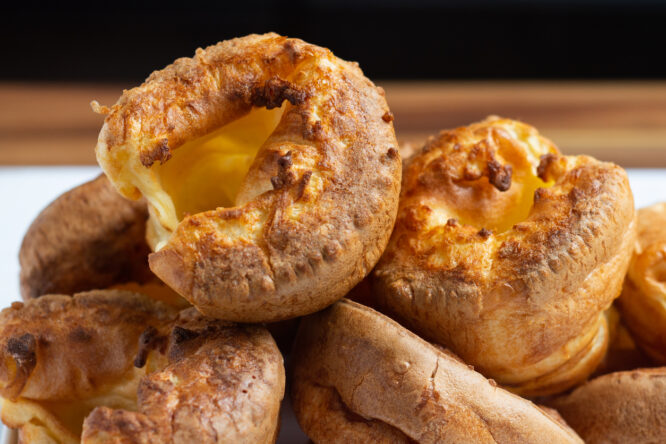
Again, the word pudding does a lot of damage here. Americans expect something sweet, but Yorkshire pudding is a savoury side dish, usually served with a roast. It looks like a cross between bread and pastry, and without context, it’s not immediately obvious how it fits into a meal. That mismatch between expectation and reality makes it one of the more confusing items to pin down.
Steak and kidney pie pushes the limits for some.
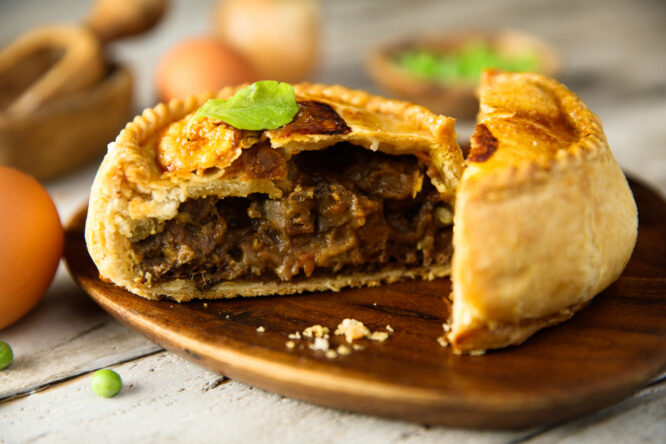
This is where cultural differences really show up. The idea of using kidney isn’t something many Americans are used to, which can make the whole dish feel unfamiliar before they even see it. On the outside, it looks like a standard pie, which actually makes things more confusing. Without knowing what’s inside, it’s easy to assume it’s something much more familiar, leading to confident but wrong answers.
Scotch eggs aren’t what people picture.
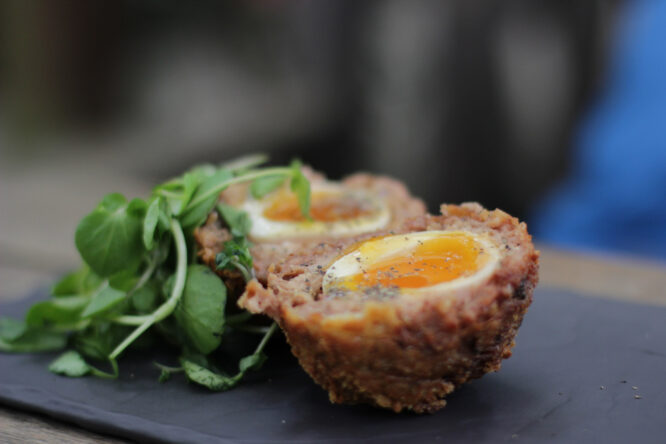
If you’ve never come across one before, the name doesn’t help much. There’s no clear indication that it involves a boiled egg wrapped in sausage meat and coated in breadcrumbs. When it’s cut open, the combination can look unusual, especially if you’re not used to seeing those textures together. That makes it harder to recognise, even if the individual elements are familiar on their own.
A full English isn’t just one thing.
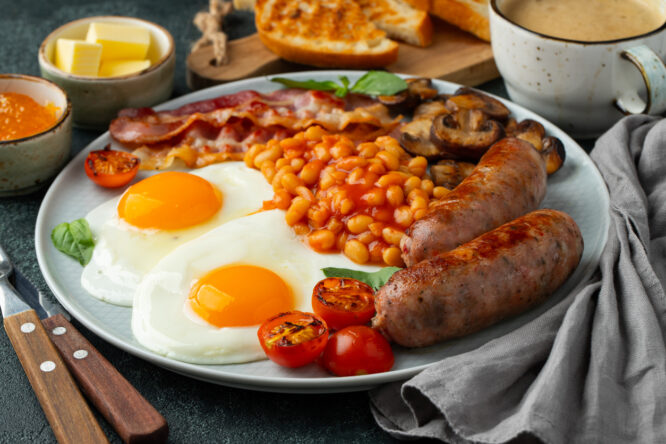
This is where it gets overwhelming rather than confusing. A full English breakfast includes multiple items, and the exact combination can vary depending on where you are. Beans, sausages, eggs, mushrooms, toast, tomatoes, and more can all look slightly different from one plate to another. That variation makes it harder to define, especially for someone trying to identify it quickly.
A Cornish pasty isn’t always easy to spot.
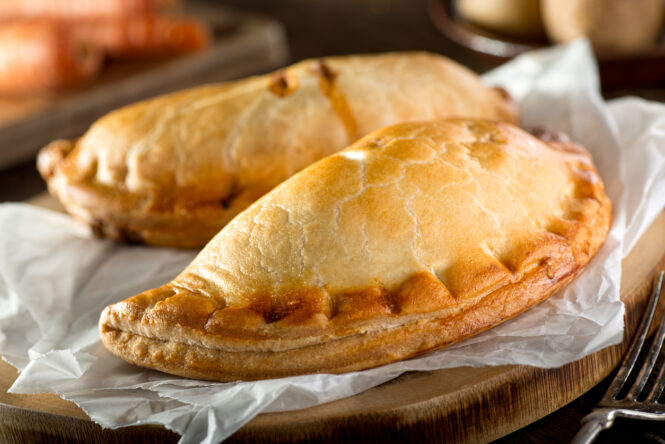
To us, it’s instantly recognisable, especially with its crimped edge and familiar shape. Of course, if you didn’t grow up seeing them, it can just look like another baked pastry. Without knowing what’s inside or what makes it distinct, it’s easy to confuse it with other similar-looking foods. That’s where the confidence starts to slip.
Even familiar dishes become tricky without context.

What this all shows is that a lot of British food relies on context rather than clear visual cues. You know what it is because you’ve seen it countless times, not because it’s instantly obvious from a single glance. Take that context away, and even the most familiar meals can feel unfamiliar. That’s why people from outside the UK often struggle with dishes that seem completely basic to us.