Oil prices may have eased slightly in recent days, but that doesn’t mean drivers are about to see a meaningful drop at the pump.
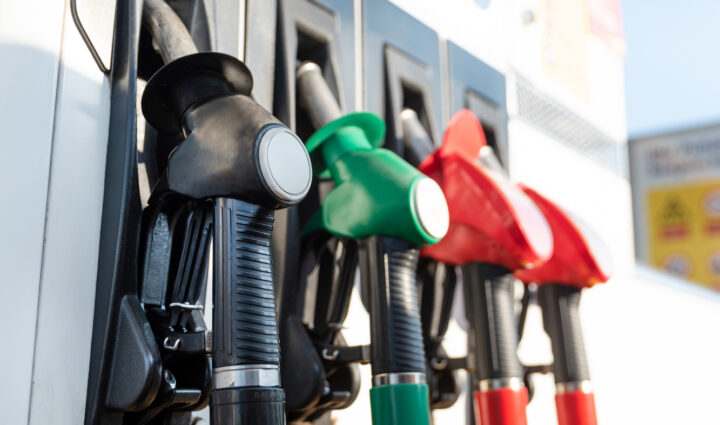
The gap between what happens in global markets and what people actually pay for fuel is wider than most expect, and right now, that gap is being stretched even further. Even when prices fall on paper, the systems behind fuel supply are still under pressure. That means petrol and diesel costs are likely to stay higher than people would consider normal for a while yet, and the knock-on effects will continue to be felt across everyday spending.
Lower oil prices don’t translate instantly at the pump.
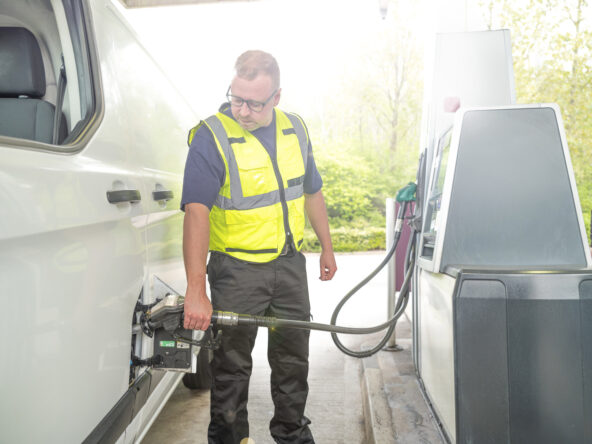
It’s easy to assume that if oil prices fall, petrol should follow straight away. In reality, it rarely works like that. Fuel sold at forecourts has usually been bought weeks earlier, often when prices were higher, and those costs still need to work their way through the system.
On top of that, the final price includes refining, transport, storage, and distribution. So even if crude oil dips, those added layers can keep prices elevated for longer than expected. That’s why price rises tend to show up quickly, while any drop takes far more time to filter through.
Supply chains are still strained behind the scenes.
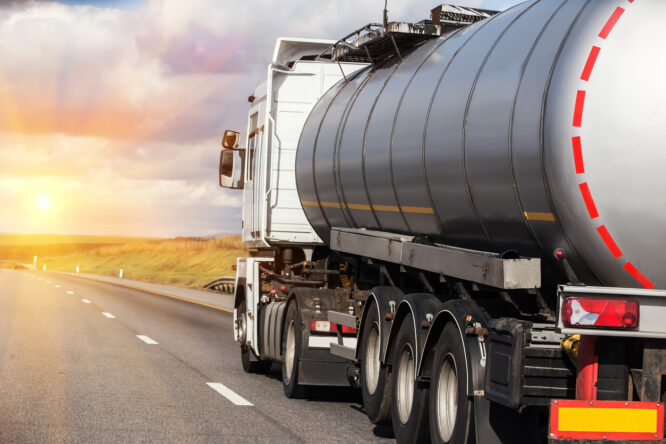
The bigger issue right now isn’t just the price of oil itself, it’s how easily it can move around the world. When supply chains are disrupted, even slightly, it creates delays that ripple through the entire system.
Shipping companies tend to act cautiously when conditions are uncertain, which means fewer cargoes move at the speed they normally would. Even a small slowdown can tighten supply, and when supply tightens, prices tend to stay stubbornly high.
Refining is a key pressure point.
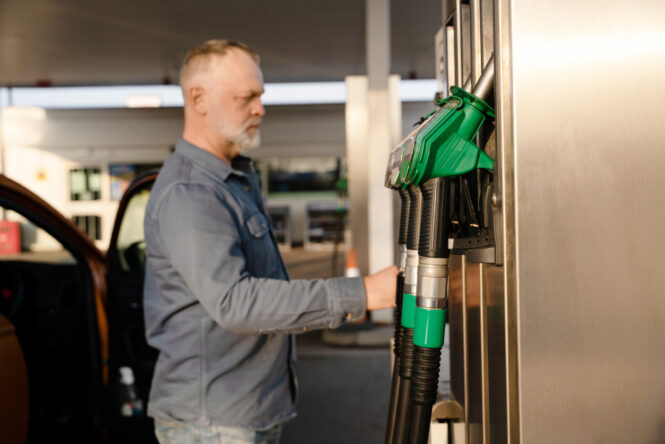
Drivers don’t buy crude oil, they buy refined products like petrol and diesel. That makes refining capacity just as important as the oil supply itself. If refining output is reduced or slowed, it can push up prices even when crude levels are stabilising.
Diesel is especially sensitive because it plays a huge role in transport, farming, and logistics. When diesel prices stay high, it pushes up costs across multiple industries, not just at the pump. That’s where the wider economic impact starts to build.
Repairs and recovery take time.
Even when production begins to stabilise, the physical side of the energy system doesn’t recover overnight. Facilities that have been disrupted or damaged often take months, and sometimes much longer, to return to full output.
That means supply can remain lower than normal even after the initial shock has passed. As long as output is restricted, prices are likely to remain higher than they were before everything was running smoothly.
Demand for diesel and petrol is still strong.
At the same time, demand for fuel hasn’t gone anywhere. Transport, travel, and global trade all continue to rely heavily on oil and refined fuels, and when demand stays high while supply is under pressure, prices tend to hold their ground.
There’s also a catch-up effect, where buyers try to rebuild stock levels after a period of disruption. That extra demand can keep markets tight even as conditions begin to improve, delaying any real price relief.
Why this feeds into the cost of living

Fuel prices don’t just affect drivers. They flow into almost every part of the economy. When transport becomes more expensive, it increases the cost of moving goods, which can lead to higher prices in shops. Air travel, food production, and deliveries all depend on fuel, so when those costs rise, they tend to spread outwards. That’s why even people who don’t drive regularly can still feel the impact through everyday expenses.
Why prices may settle slowly rather than quickly
For fuel prices to return to more stable levels, several things need to line up at the same time. Supply chains need to move smoothly again, refining capacity needs to return fully, and confidence across the market needs to stabilise.
Until all of that happens together, prices are more likely to ease gradually rather than drop sharply. That means drivers may see some improvement over time, but a quick return to what used to feel normal is unlikely in the near term.