Travelling abroad has a funny way of making small admin jobs feel suddenly very important.
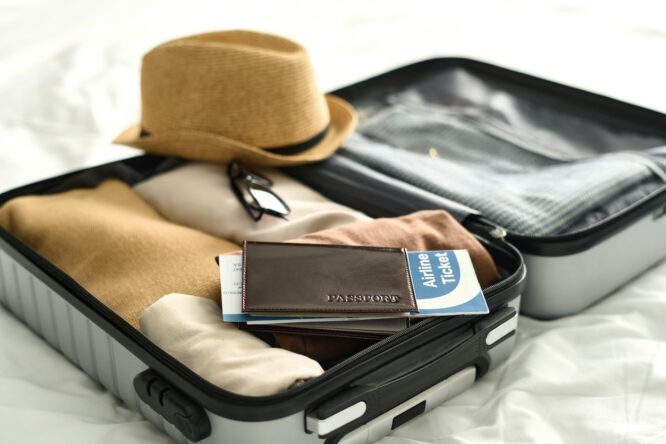
A card you never use at home is suddenly necessary, a bit of leftover cash becomes useful, and a document you forgot about can end up saving hassle at the airport. Martin Lewis’s idea of an overseas wallet sounds simple, but that’s exactly why it works. It gives you one place for the things that can save you money, save time, and stop last-minute panic before a trip. Here’s what you need to pack the next time you head to another country—and why.
An overseas wallet makes more sense than people think.
Most people treat every holiday like starting from scratch. They dig out old travel bits, try to remember where they put them, then realise something important expired months ago. That’s how you end up overpaying for airport exchange, forgetting a health card, or scrambling to find a booking detail while standing in a queue with other stressed travellers.
The smarter idea is to keep a separate wallet or purse just for travel and leave the key bits in there between trips. That way, when you book another holiday, you’re not building everything from the ground up again. You’ve already got the basics sitting there waiting, which makes the whole process feel less chaotic and a lot more joined up.
The right bank card matters more than almost anything else.
The biggest money point in Martin Lewis’s advice is the card you use abroad. A lot of standard debit and credit cards still add foreign transaction fees, which usually means you quietly lose extra money every time you spend. It doesn’t feel dramatic in the moment, but over a whole trip it can add up fast, especially if you’re paying for meals, taxis, hotels, and little everyday bits on plastic.
That’s why a specialist overseas card is usually the most useful thing in the whole wallet. It’s not about borrowing more or doing anything fancy. It’s just about avoiding pointless charges and getting a better exchange rate when you spend. If you travel more than once in a while, using the wrong card can end up costing far more than people realise, especially when those little 3% hits keep landing in the background.
Leftover foreign cash can still be worth hanging onto.
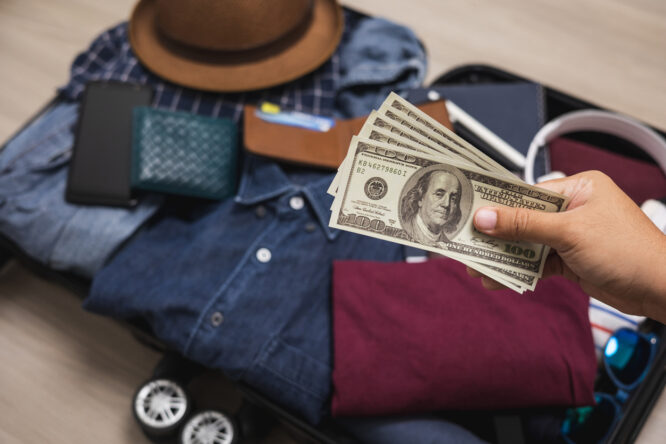
A lot of people come home with a few euros or dollars in their pocket and immediately want to change them back. It feels tidy and sensible, but in reality it often means losing money twice, once when you bought the currency and again when you changed it back. For small amounts, it can be more hassle than it’s worth.
That’s why Martin Lewis says it can make more sense to leave small leftover notes in the wallet for next time. If you travel to the same places fairly often, that cash can cover the first coffee, taxi, bottle of water, or whatever you need when you land. It turns what looks like loose change into something useful, and it means one less thing to sort before your next trip.
A GHIC card is worth keeping ready if you travel in Europe.
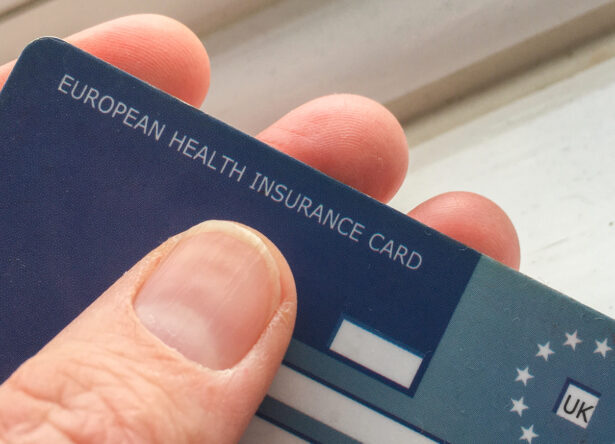
If you travel to Europe, a UK Global Health Insurance Card can be one of those boring little items you’re very glad you packed if something goes wrong. It gives UK travellers access to state-run healthcare in eligible countries on the same basis as a local, or at a reduced cost depending on the country. It does not cover everything, and it absolutely does not replace travel insurance, but it can still be a very useful thing to have with you.
The problem is loads of people either forget they have one, forget where it is, or only realise it expired when they’re already close to travelling. Keeping it in a dedicated overseas wallet solves half that problem immediately. You’ve always got it in the same place, and it becomes easier to remember to check the expiry date before a trip, instead of discovering too late that the card in your drawer stopped being useful ages ago.
Your driving licence deserves a place in there too.
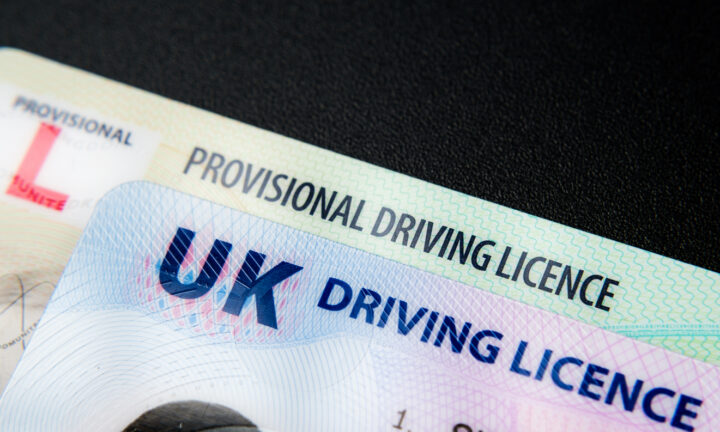
Even if you’re not hiring a car on every trip, your driving licence can still be a handy thing to have in a travel wallet. It’s often used as a backup form of ID and can be useful in situations where you don’t want to keep pulling out your passport. If you are hiring a car, it becomes even more important because it’s one of the first things you’ll be asked for.
For some destinations, especially outside the EU, you may also need an International Driving Permit as well as your UK licence. That catches people out because they assume their photocard is enough everywhere. It isn’t always. Keeping your licence with your overseas setup makes it easier to remember that driving rules abroad are not universal and might need a proper check before you go.
Copies of key travel documents can save a lot of stress.
This is one of those tips that sounds slightly old-school until you actually need it. Martin Lewis suggests keeping useful travel details in the wallet, such as a photocopy of your passport or important authorisation details like an ESTA number for the US. It’s not because paper copies are glamorous. It’s because losing access to your main documents when you’re abroad can turn into a massive pain very quickly.
If your passport goes missing, having the key details to hand makes it much easier when you need to report it, prove who you are, or sort replacement help. The same goes for travel authorisations. Even if a border official does not ask for the number itself, an airline might want to see proof that it exists before you board. Having it there, printed or written down, is one of those tiny acts of organisation that feels pretty smart once you’re the one standing at the desk.
This advice is really about reducing travel friction.

The clever part of the overseas wallet idea is that it is not really about wallets. It is about reducing friction. Travel already comes with enough moving parts, flights, passport dates, insurance, airport timing, hotel bookings, and border rules that seem to change every five minutes. Anything that removes one layer of scramble is worth having.
That is why this advice lands so well. It’s practical rather than flashy. You are not being told to buy some expensive gadget or download a dozen apps. You are just creating a small ready-to-go setup that makes the next trip easier than the last one. That sort of prep tends to save more stress than people expect because travel problems often come from little bits of disorganisation, not huge disasters.
The checklist you need to complete before heading out
The five main items Martin Lewis says are worth keeping in an overseas wallet are pretty straightforward. A specialist overseas bank or credit card comes first, because that’s where the money-saving starts. Then there’s any leftover foreign cash from previous trips, which can save you unnecessary exchange costs later on.
After that, it’s your GHIC card if you travel in Europe, your driving licence if you hire cars or want backup ID, and copies or details of key travel documents such as your passport details or an ESTA number for the US. None of them are exciting on their own, but together they create a small travel kit that can save money, cut hassle, and stop silly mistakes.
What this gets right that most travel advice misses

A lot of travel advice is either too obvious or too over-the-top. It tells you not to forget your passport, which isn’t exactly a revelation, or it focuses on nightmare situations that most people will never face. Lewis’ tips sit in the middle, which is why they’re so useful. His advice is based on the kind of normal problems people actually do run into, such as paying the wrong fees, forgetting a health card, losing track of important details, or leaving everything too late.
That grounded side is what makes it feel believable. It is not pretending a travel wallet will solve every holiday headache. It just helps with the common stuff that trips people up again and again. For frequent travellers it’s a solid habit, and for occasional holidaymakers it’s probably one of the easiest ways to feel a bit more organised without making the whole thing feel like military planning.