The government has confirmed that electric and plug-in hybrid vehicles will face a new mileage-based tax from April 2028, alongside existing Vehicle Excise Duty.
It’s part of a wider plan to replace falling fuel duty income as more drivers move away from petrol and diesel cars. On paper, it makes sense. In reality, it could complicate how people feel about switching to electric.
For years, one of the biggest selling points of electric cars has been lower running costs. That idea hasn’t completely disappeared, but it’s becoming harder to present as clearly as before. With new taxes starting to appear, the decision to switch is starting to feel less simple, especially for drivers who were already unsure. Here’s what you need to know about the change.
Why the government is bringing this in
The reason behind the change is fairly straightforward. As more people stop buying petrol and diesel, the government loses money from fuel duty. That has been a major source of revenue for years, so something has to replace it. The new mileage-based charge is designed to fill part of that gap.
There’s also a fairness argument being made. Electric cars still use the roads, contribute to congestion, and add wear over time, so the government’s view is that they should begin contributing in a similar way to other vehicles. From a policy perspective, that logic is easy to understand, even if it’s not particularly popular.
What the new charge actually means
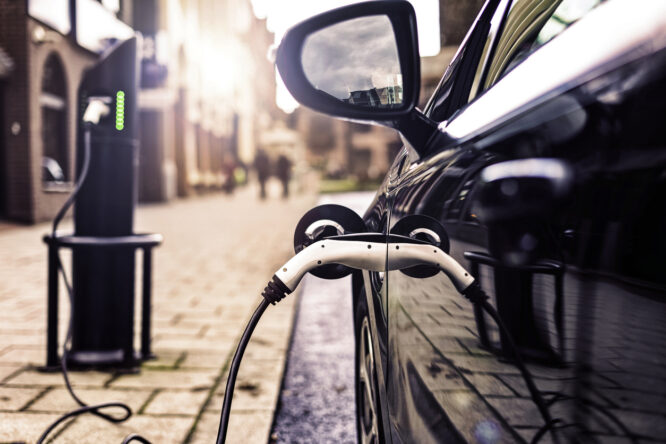
From April 2028, drivers of fully electric vehicles are expected to pay a set rate per mile, with plug-in hybrids paying a lower rate. This would sit alongside existing road tax, rather than replacing it entirely. The aim is to create a system where drivers contribute based on how much they use the roads.
To give a rough idea of what that means, a driver covering around 10,000 miles a year could be looking at roughly £300 annually under the new system, depending on the final rates. That kind of estimate is what many people will compare against what they currently spend on fuel and running costs.
The system is expected to rely on estimated mileage rather than constant tracking, which helps avoid concerns around privacy. Even so, the main takeaway for most drivers will be simple. Electric cars are no longer being treated as a lower-cost option in quite the same way they once were.
Why this could put people off switching

For many households, switching to an electric car is already a big decision. The upfront cost is often higher, charging access isn’t always straightforward, and there’s still some uncertainty around long-term ownership. Adding a new tax into that mix doesn’t make the decision easier.
If drivers start to feel that electric cars will end up costing the same as petrol or diesel vehicles over time, the motivation to switch becomes weaker. That’s especially true for people who aren’t particularly enthusiastic about EVs in the first place and are mainly considering them because of future rules.
The bigger issue is confidence, not just cost.
The actual cost of the new tax matters, but the bigger issue is how it feels to drivers. People want to know where they stand before making a long-term decision like buying a car. When policies change or new charges appear, it can create a sense that the overall picture is still uncertain.
Perhaps unsurprisingly, that can slow things down. Early adopters are usually willing to take risks, but most drivers aren’t. They want stability and clear expectations. If the financial benefits of switching to electric keep changing, it becomes harder for people to feel confident about making the move.
Fairness depends on how you look at it.
From the government’s perspective, it makes sense that all drivers contribute in some way. Roads still need maintaining, and public finances still need balancing. In that sense, bringing electric vehicles into the tax system was always likely at some point.
But from a driver’s point of view, it can feel different. Many people already feel they are paying more upfront to go electric, whether through the cost of the car or installing a home charger. Adding another layer of cost before electric driving feels fully accessible to everyone can come across as badly timed.
What this means for the future of EV adoption
The transition towards electric vehicles is still happening, and policy is still pushing in that direction. Still, the messaging around EVs is starting to change. It’s no longer just about saving money or doing the right thing environmentally. It’s becoming a more balanced conversation about costs, trade-offs, and long-term value.
For some drivers, the new tax won’t change much. For others, especially those already on the fence, it could be enough to delay a decision. That doesn’t stop the transition, but it may slow it slightly at a time when momentum still matters.
2028 might seem a long ways away, but it’s worth thinking about now.
Even though the new charge is still a couple of years away, it will influence decisions well before it comes into effect. Buying a car isn’t a short-term choice, and people will factor in future costs when deciding what to do today.
That means policies like this don’t just affect future behaviour—they shape current attitudes as well. If drivers start to believe that the cost advantage of electric cars is shrinking, they may be more cautious about switching sooner rather than later.
The government needs to strike a balance.
Replacing lost fuel duty is unavoidable as more drivers move to electric vehicles. That part is clear. The challenge is doing it in a way that doesn’t undermine confidence in the transition itself.
If the switch to electric starts to feel less worthwhile financially, the risk isn’t that people refuse entirely. It’s that they delay, hesitate, or look for reasons to stick with what they know for a bit longer. That’s where this policy will have its biggest impact.