Most people don’t spend much time thinking about what they’d do if food deliveries slowed down for a few days.
Shops look full, things feel normal, and it’s easy to assume it’ll stay that way, but recent advice from UK experts is less about panic and more about being prepared in a calm, practical way that doesn’t disrupt everyday life.
The idea isn’t to stockpile huge amounts or expect the worst. It’s simply to have a small, sensible supply of food and water at home, just in case something unexpected causes short-term disruption. That could be extreme weather, transport issues, or even technical problems affecting supply chains. None of this is unusual, and it doesn’t mean a crisis is coming, just that it’s worth thinking ahead a little. These are some of the things you should consider keeping on hand, according to experts for The Guardian, and why.
Why having a small supply at home is being recommended
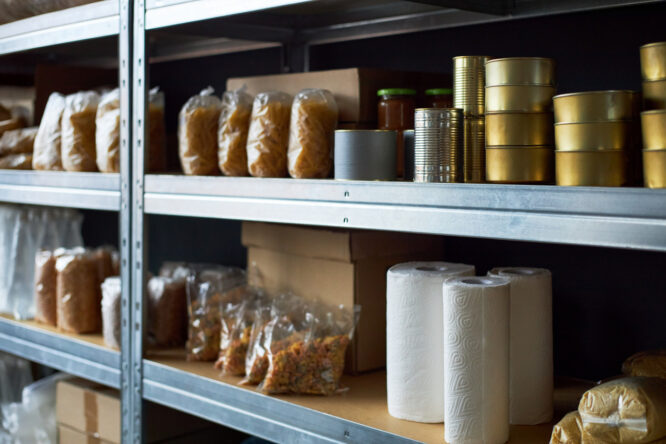
Experts point out that the UK food system relies heavily on deliveries arriving at the right time. Supermarkets don’t tend to hold large amounts of back-up stock, which keeps things efficient but also means shelves can empty faster than people expect if something disrupts supply.
That doesn’t mean you should be expecting shortages. The point is simply to have a few days’ worth of essentials at home so you don’t have to rush out if there’s a temporary issue. It gives you a bit of breathing room and keeps things calm rather than reactive.
What a realistic emergency food supply actually looks like
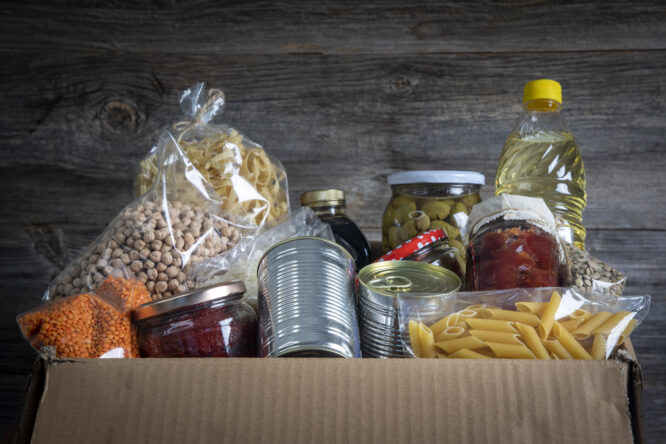
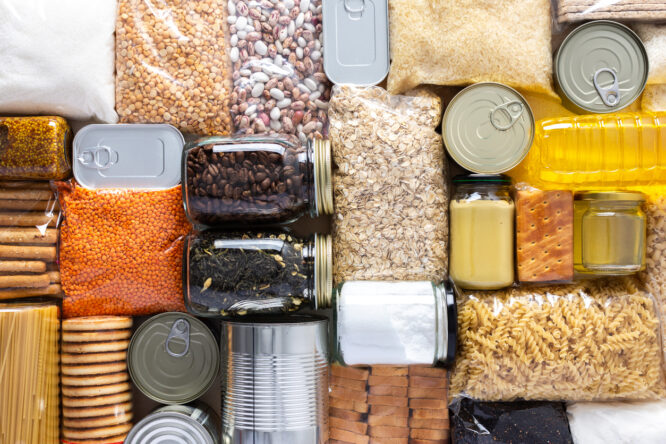
A practical home supply doesn’t need to be complicated. It’s usually built around foods that last well, are easy to prepare, and don’t rely heavily on cooking. The key is choosing things you already eat so nothing goes to waste.
For most households, a simple mix of cupboard staples and ready-to-eat items is enough to cover a few days comfortably. It’s less about variety and more about reliability, making sure you’ve got food that will keep you going without much effort.
Basic cupboard staples that last and fill you up are a must-have.
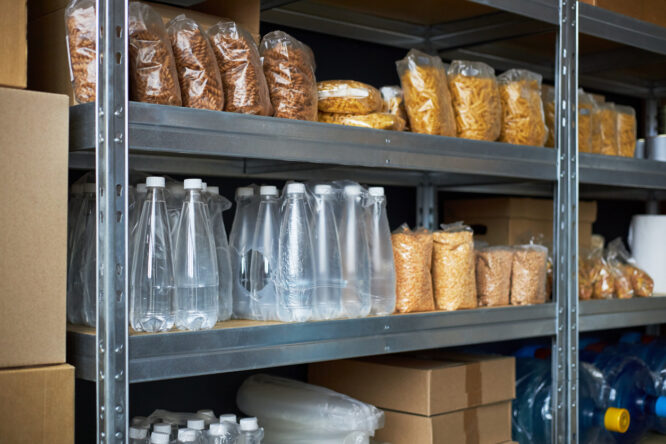
These are the backbone of any small home supply, as they’re affordable, long-lasting, and easy to store. They also provide steady energy, which is what matters most in a short disruption.
Examples include oats, dried pasta, rice, lentils, and beans. Tinned versions of beans or pulses are especially useful because they don’t need soaking or long cooking times. These foods are simple, but they do the job and can be used in lots of different ways.
Tinned foods that don’t rely on refrigeration are a lifesaver.
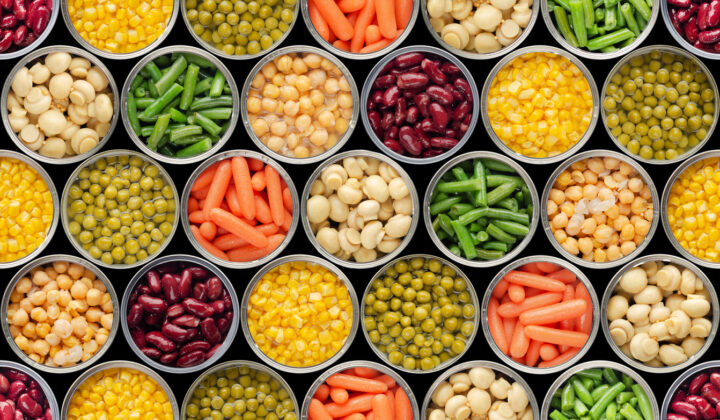
Tinned food is one of the most reliable options because it lasts a long time and can often be eaten straight from the tin if needed. It’s also easy to rotate through your normal meals so nothing gets wasted.
Useful options include tinned vegetables, tomatoes, soups, and fish like sardines, tuna, or mackerel. These provide protein and nutrients without needing a fridge or freezer, which makes them especially practical if power is disrupted.
Foods you can eat without cooking come in handy.
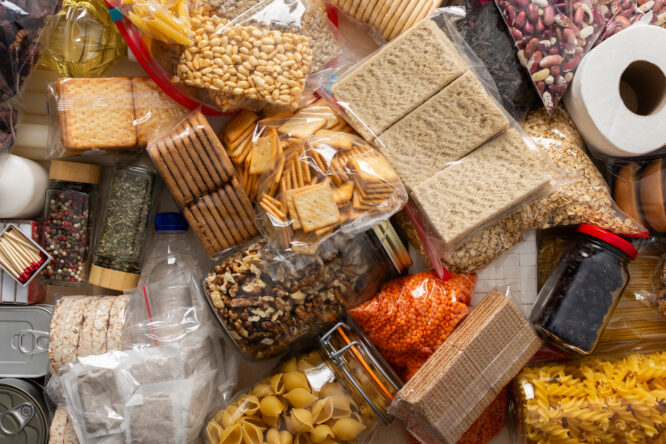
One of the main pieces of advice is to assume you might not be able to cook, even if it’s only for a short time. That’s why it helps to have some items that can be eaten as they are or prepared with minimal effort.
Things like crackers, rice cakes, nut butters, cereal bars, and even soaked oats fall into this category. They’re quick, easy, and don’t rely on heat or equipment, which makes them a safe option to have on hand.
Simple extras can make meals easier.
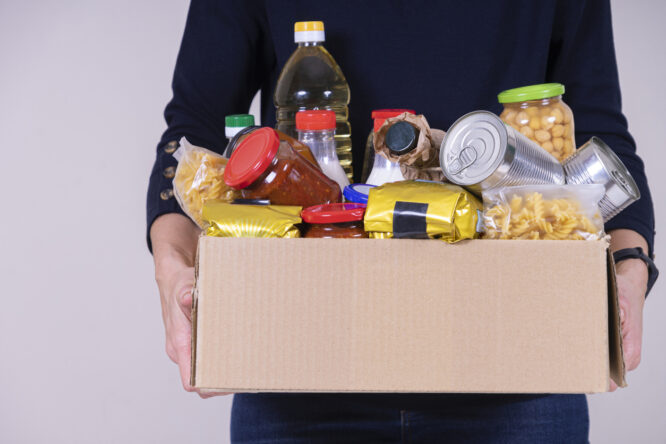
Small additions can make basic food feel a bit more manageable, especially if you’re eating similar meals for a few days. It doesn’t have to be anything fancy, just things that add flavour or variety.
Items like sauces, stock cubes, salt, herbs, or long-life milk can make a noticeable difference. Even something as simple as a jar of sauce can turn basic pasta or rice into something more enjoyable.
Don’t forget a few comfort foods.
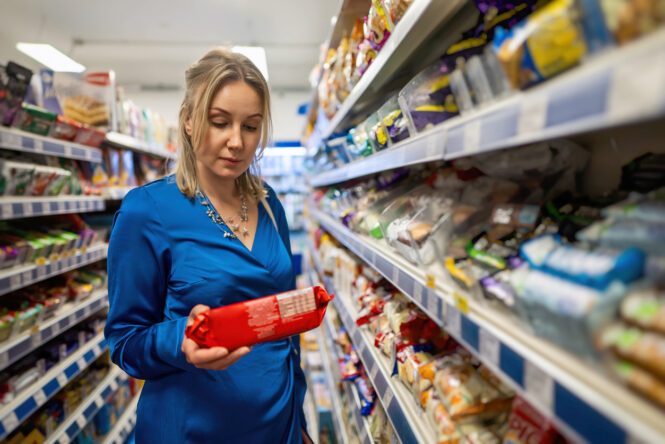
Experts often suggest including a few treats, which might seem unnecessary at first. However, food isn’t just about energy; it’s also about comfort and routine, especially in stressful situations.
Chocolate, crisps, biscuits, or snacks can help keep morale up, particularly for children. It’s a small thing, but it can make a situation feel more normal rather than difficult.
Water matters just as much as food.
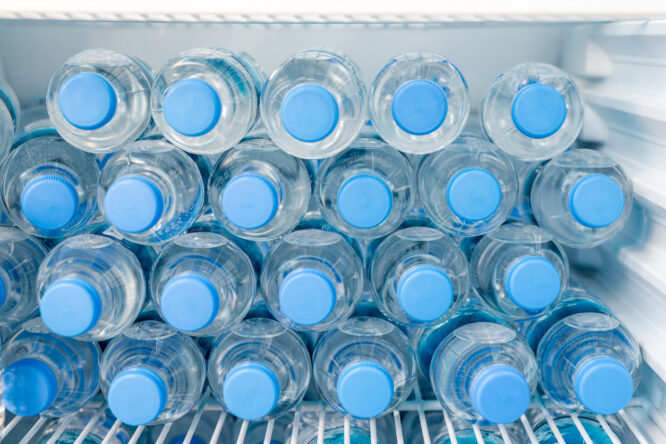
Having enough water is just as important as having food. Even short disruptions can become uncomfortable quickly without access to clean water for drinking and basic needs.
A simple approach is to keep a reasonable supply of bottled water at home. You don’t need to overdo it, but having enough for a few days per person makes a big difference if there’s any interruption to supply.
Build it up gradually, not all at once.
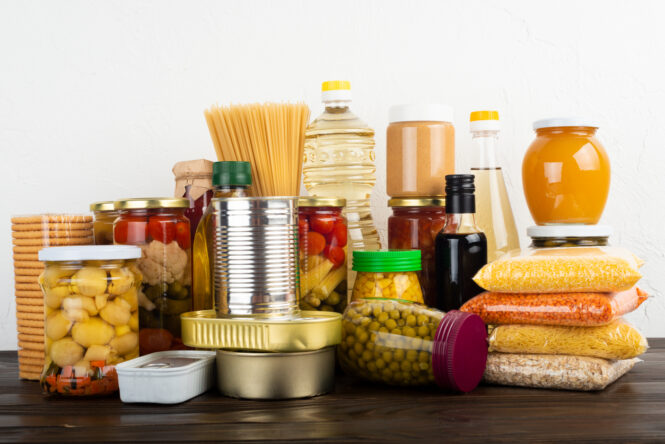
One of the easiest ways to do this is to add a couple of extra items to your weekly shop. As time goes on, that naturally builds a small supply without needing a big upfront spend.
Because you’re choosing foods you already eat, you’ll rotate through them as part of your normal routine. That keeps everything fresh and avoids waste, which makes the whole thing feel far more manageable.
Why sharing is part of the bigger picture
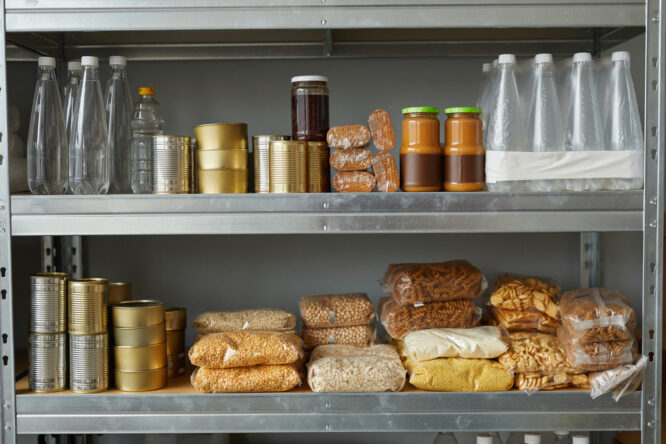
One of the more unexpected parts of the advice is the idea of sharing if needed. Not everyone has the ability to build up extra supplies, and in any disruption, communities tend to rely on each other.
Experts highlight that when people support each other, things stay calmer and more stable. That doesn’t require giving everything away, but being prepared works best when people look out for those around them too.