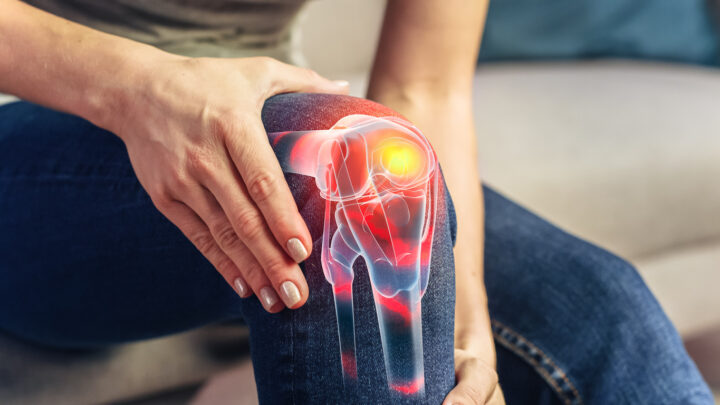
For a long time, we’ve been told that keeping an eye on your blood pressure or cholesterol is the only way to gauge how your body’s holding up.

However, it turns out the secret might be as simple as how well you can move. A 2026 study published in PLoS One has highlighted that basic mobility tests, like standing on one leg or getting up from a chair, are actually some of the most accurate predictors of long-term health. It isn’t just about avoiding a fall; these “stress tests” for your body reveal how well your heart, muscles, and brain are working together in real-time.
If you’re struggling with a 10-second balance or find yourself using your arms to push out of a seat, it’s a massive red flag that your body’s ageing faster than the calendar suggests. Here’s a look at the simple tests experts are now using to track biological age and what your results actually say about your future health.
It’s not about how old you are, it’s about how your body is ageing.

The key idea behind this test is that ageing isn’t just time passing. It’s about how your body is coping with that time, including things like inflammation, stress, fitness, and overall health. Scientists often talk about “biological age,” which looks at how well your body systems are functioning. Two people can be the same age on paper, but one might have a body that’s ageing much faster than the other depending on lifestyle and health factors.
The test focuses on simple physical ability.

Rather than complicated lab work, this type of ageing test usually looks at something very basic: how well your body performs in everyday movements. That’s because physical ability is closely linked to long-term health. Things like strength, balance, and coordination tend to decline as we age, and they’re strong indicators of how your body is really doing.
One of the most talked-about versions is the “sit-to-stand” or floor test.

A common version involves sitting down on the floor and standing back up again without using your hands if possible. It sounds simple, but it actually reveals quite a lot about your mobility and strength. Research has shown that people who struggle with this type of movement tend to have a higher risk of health issues later on. It’s not about doing it perfectly, but how much effort or support you need to get back up.
Why this kind of test matters more than you think.

It might seem basic, but these movements rely on multiple systems working together. Your muscles, joints, balance, and even your brain all play a part. If one area is weaker, it becomes obvious pretty quickly. That’s why these tests are often used as quick indicators of overall health, rather than just fitness alone.
It reflects your strength, balance, and coordination all at once.
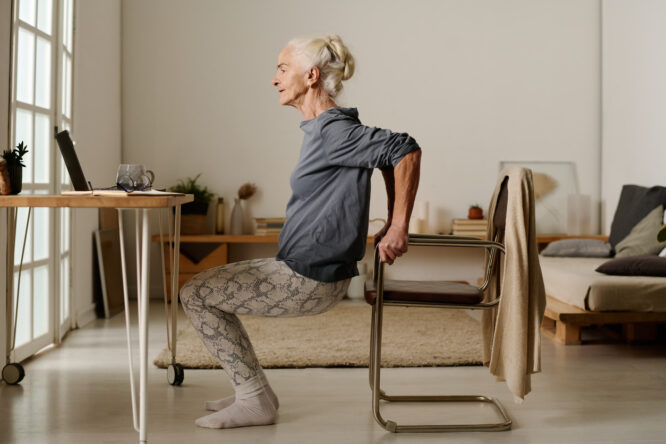
Unlike isolated gym exercises, these tests don’t focus on one thing. They combine strength, flexibility, and control into a single movement. That’s what makes them useful. Real-life health isn’t about one specific ability, it’s about how everything works together, and these simple tasks highlight that.
It’s also linked to long-term health risks.

Studies have found that people who perform poorly on these types of movement tests are more likely to experience health problems as they get older. This includes a higher risk of falls, reduced independence, and even shorter life expectancy in some cases. It’s not a prediction, but it’s a strong signal worth paying attention to.
Your lifestyle has a huge impact on your “score.”

The interesting part is that this isn’t fixed. Your ability to perform these movements can improve with changes in lifestyle. Regular movement, strength training, and staying active all help maintain the kind of mobility these tests measure. Even small changes can make a noticeable difference in the long run.
Sitting too much can and often does make things worse.

One of the biggest factors working against people is inactivity. Long periods of sitting can weaken muscles and reduce flexibility without you really noticing it day to day. As time goes on, this makes simple movements harder. That’s often why people are surprised when they struggle with something that used to feel easy.
It’s less about fitness and more about function.
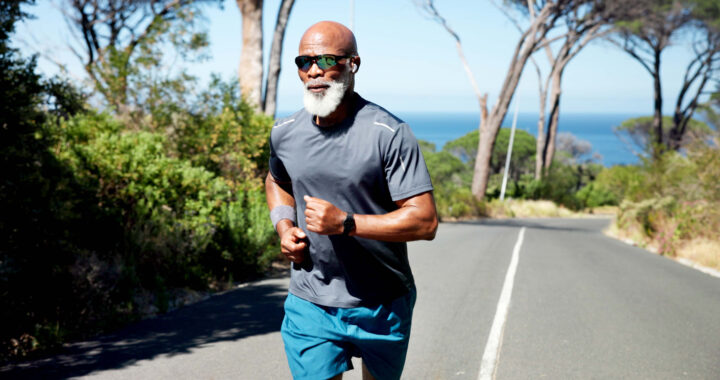
You don’t need to be athletic to do well on these tests. What matters more is whether your body can handle everyday movements smoothly. This is why someone who exercises occasionally but stays generally active can often perform better than someone who is otherwise sedentary, even if they look “fit.”
Balance plays a bigger role than people expect.

Balance is one of the first things to decline with age, but it’s often overlooked until it becomes a problem. Tests like this highlight how stable your body is when moving between positions. Good balance reduces the risk of falls and helps maintain independence later in life.
It also shows how well your body recovers.

It’s not just about getting down and up. It’s about how controlled and stable the movement feels. Struggling or needing to rush through it can point to reduced strength or coordination, which are both important for long-term health.
You don’t need equipment to get a useful insight, though. One of the reasons this test has gained attention is because it’s so simple. You don’t need a gym, devices, or anything complicated. That makes it a practical way for people to check in with their physical health without overthinking it.
It can act as a wake-up call.

For a lot of people, trying this kind of test is the moment they realise their body isn’t as capable as they thought. That awareness can be useful. It gives you something clear to work on, rather than relying on vague ideas about getting healthier.
It’s important to remember that the goal isn’t perfection, but awareness. It’s got nothing to do with whether you pass or fail; it’s about noticing how your body feels and where it might need support. Even small improvements made bit by bit can signal better overall health, which is what really matters.
Ageing well is more about maintenance than anything else.

What this kind of test highlights is that ageing isn’t something that just happens to you. It’s influenced by how you use your body every day. Staying active, maintaining strength, and keeping your body moving regularly all play a part in how well you age over time.