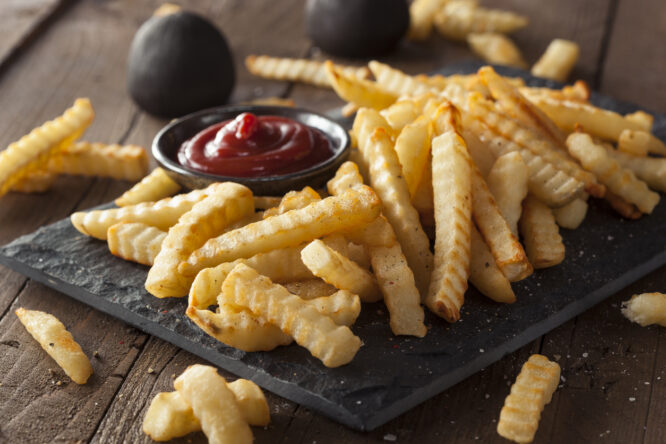
Chips aren’t exactly known for being healthy, but they’re one of those foods people don’t really want to give up.
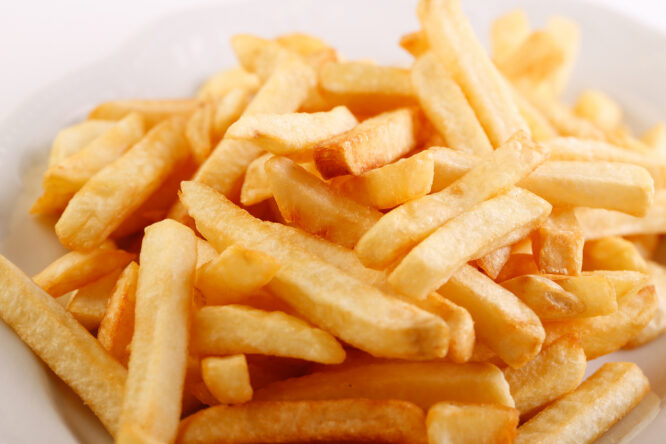
However, scientists might’ve finally cracked the one puzzle that actually matters: how to make a bag of crisps that won’t wreck your diet but still has that proper crunch. We’ve all tried the “healthy” alternatives that taste like seasoned cardboard, but this new research suggests we’re not going to have to settle for a depressing texture just to save a few calories.
By tweaking the way the starch molecules react during the frying process, they’ve found a way to slash the fat content without turning the chip into a soggy mess. It’s a massive win for anyone who’s tired of choosing between their health and a decent snack. Here’s how the tech actually works and when you can expect to see these guilt-free bags hitting the supermarket shelves.
People want healthier food, but not if it feels like a downgrade.

There’s always been a bit of a clash when it comes to fried food. On one hand, everyone knows it’s not great if you have it all the time. On the other, it’s hard to beat the taste and texture, especially with something like chips. That’s why a lot of “healthier” versions never really catch on. They might be lower in fat, but they don’t feel the same. This research takes a different route by keeping the same cooking style and just tweaking what happens during it.
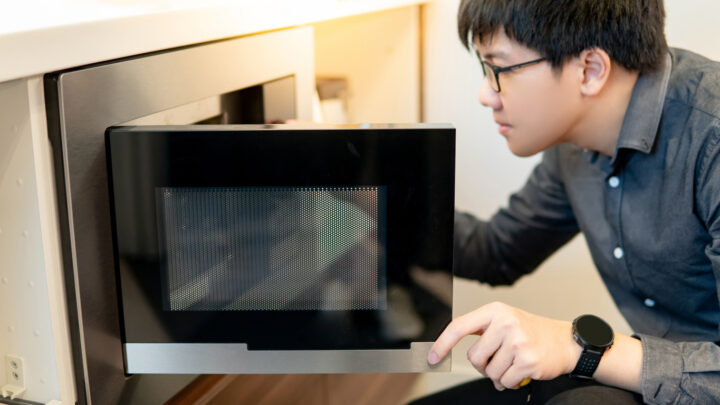
The idea is to use microwaves alongside frying.
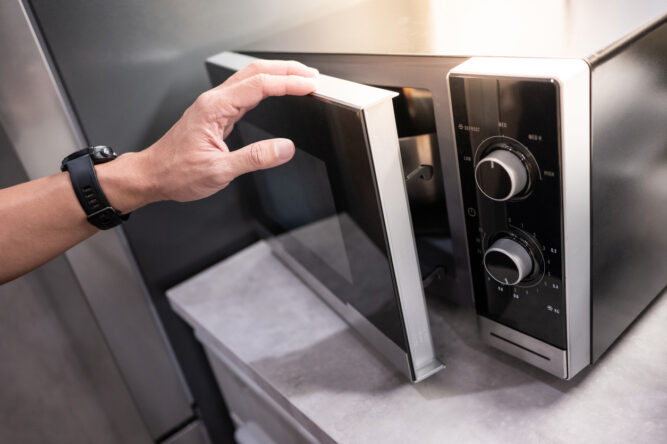
Instead of replacing frying completely, the researchers looked at what happens when you add microwave heating into the mix. It sounds a bit odd at first, but the two methods actually balance each other out quite well. Frying gives you that golden, crispy outside. Microwaves work on the inside, heating things up in a different way. When both are used together, they change how the chip cooks all the way through.
What normally makes chips so greasy
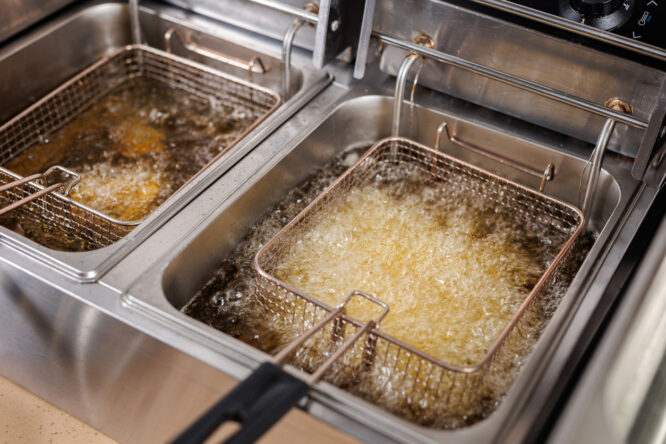
When you fry a chip the usual way, it starts off full of water. As it cooks, that water slowly disappears, leaving behind tiny gaps inside the potato. Those gaps are where the oil ends up going. Once they open up, the oil gets pulled in, which is why chips soak up so much of it by the time they’re done.
The microwave step changes that completely.
Adding microwave heat into the process flips things slightly. Instead of just letting water escape and leave empty space behind, it heats the inside faster and creates a bit of pressure. That pressure pushes outward, which makes it harder for oil to get in. So rather than acting like a sponge, the chip ends up resisting some of that oil as it cooks.
It’s a bit like blowing instead of sucking through a straw.
The researchers describe it in a really simple way. When you suck through a straw, liquid gets pulled in. That’s basically what’s happening in normal frying once the water leaves the potato. With microwave heating, it’s more like blowing instead. The pressure pushes out rather than pulling in, which helps keep the oil from soaking into the chip as much.
You still get the crunch people expect.
One of the biggest worries with anything like this is whether it ruins the texture. Nobody wants a soggy chip, no matter how “healthy” it’s meant to be. The good news is that frying is still part of the process, so you still get that crispy outer layer. The microwave part is just helping in the background, not replacing what makes chips enjoyable.
Using microwaves on their own doesn’t work.
If you only used a microwave, you’d end up with something soft and pretty underwhelming. That’s why the combination matters so much. Frying brings the crunch, while the microwave step quietly reduces how much oil gets pulled in. It’s not about choosing one or the other, but using both in the right way.
It can also cook chips faster.
Another benefit is speed. Because the inside heats up more quickly, moisture escapes faster, which means the overall cooking time can be shorter. That might not sound like a big deal at home, but in large kitchens or food production, saving time like that can make a real difference.
This could work on a much larger scale.
One of the more interesting parts of the research is that it wouldn’t be that hard to roll out. Existing frying equipment could potentially be upgraded rather than replaced entirely. That makes it more realistic for food companies to use it, instead of it being one of those ideas that never leaves the lab.
It’s about changing the process, not the food itself.
What makes this stand out is that it doesn’t ask people to eat something different. It’s still chips, cooked in a familiar way, just with a slight adjustment behind the scenes. That’s often where changes actually stick. If the food still looks, smells, and tastes the same, people are far more likely to accept it.
You probably wouldn’t even notice the difference.

If this became common, most people wouldn’t realise anything had changed. The chips would look the same and feel the same when you eat them. The only real difference would be less oil sitting inside them, which is the part that usually adds the extra calories.
It shows how much goes on behind simple foods.

Chips seem simple, but there’s quite a lot happening during cooking. Things like heat, moisture, and pressure all play a part in how they turn out. This study just tweaks one part of that process, but it ends up making a noticeable difference to the final result.
It could apply to more than just chips.
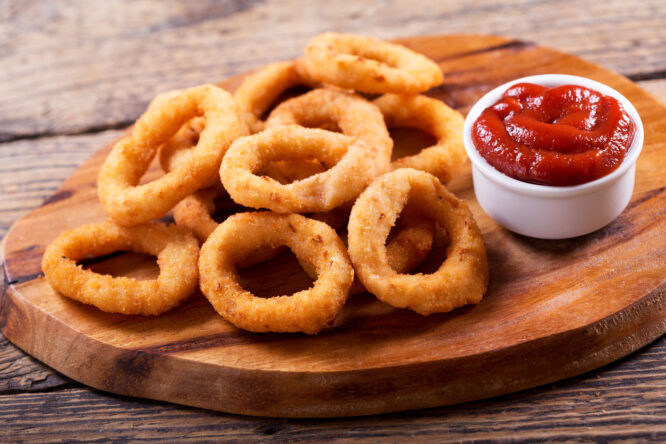
Although this research focused on chips, the same idea could work with other fried foods. Anything that tends to soak up oil during cooking could benefit from a similar approach. That opens the door to a wider change, where familiar foods stay the same on the surface but become slightly better for you underneath.
Small changes like this tend to add up.
On its own, reducing oil in chips might not seem like a huge breakthrough. But when you think about how often people eat fried food, even small improvements can add up over time. It’s the kind of change that doesn’t rely on willpower or cutting things out, which is usually why it has a better chance of sticking long term.
It’s a reminder that food doesn’t have to be all or nothing.
A lot of health advice tends to fall into extremes, either eat something or avoid it completely. In reality, most people sit somewhere in the middle. These findings are exactly the type that fit that middle ground. It keeps the food people enjoy but looks for ways to make it a bit less heavy, which is often a more realistic approach.