Most of us don’t think twice about where we keep sauces once they’ve been opened.
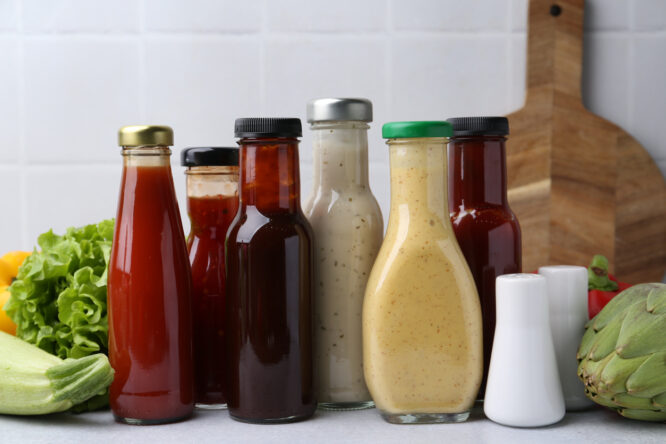
Some go straight into the fridge, others sit on the kitchen counter for weeks, and a few end up wherever there’s space. The reality is a bit more mixed. Some condiments are fine at room temperature, while others really do need to be kept cold once opened.
The part that catches people out is that “better in the fridge” and “must be refrigerated” aren’t the same thing. Some sauces will still be safe outside the fridge but lose flavour over time, while others can spoil more quickly if they’re not stored properly. A lot of it comes down to what the condiment is made from.
Ketchup isn’t as simple as people think.

Ketchup is one of the most debated condiments when it comes to storage. You’ll often see it left out in cafés and restaurants, which makes it seem like it doesn’t need refrigeration at all. In reality, ketchup is acidic enough to stay safe for a while at room temperature, but it will keep its flavour and freshness much better in the fridge. If you go through it quickly, leaving it out isn’t a huge issue, but for most households, chilling it is the better option.
Mayonnaise should always go in the fridge.

Mayonnaise is where people tend to be too relaxed. Even though it contains vinegar, it’s still made with eggs and oil, which makes it more sensitive once opened. Leaving mayonnaise out for long periods isn’t a good idea, especially in warmer conditions. Keeping it in the fridge helps maintain both safety and quality, and it’s one condiment that shouldn’t be treated casually.
Mustard is more forgiving than most people realise.

Mustard is often put in the fridge automatically, but standard yellow mustard is actually quite stable thanks to its ingredients. It can sit in a cupboard without becoming unsafe, although refrigeration does help preserve its flavour over time. Stronger types like Dijon are better kept chilled if you want them to stay tasting sharp.
Soy sauce lasts longer than you might expect.

Soy sauce is naturally high in salt, which helps preserve it. That’s why it can often sit out in restaurants without any obvious problems. Even so, storing it in the fridge once opened helps keep the flavour from fading. It’s less about safety and more about making sure it still tastes the way it should after a few weeks.
Hot sauce depends on the type.

Many hot sauces, especially those with a vinegar base, can be stored at room temperature without going off quickly. However, refrigeration helps keep the colour and flavour more consistent over time. Thicker or sweeter hot sauces are more likely to benefit from being kept in the fridge once opened.
Jam isn’t always as stable as it seems.
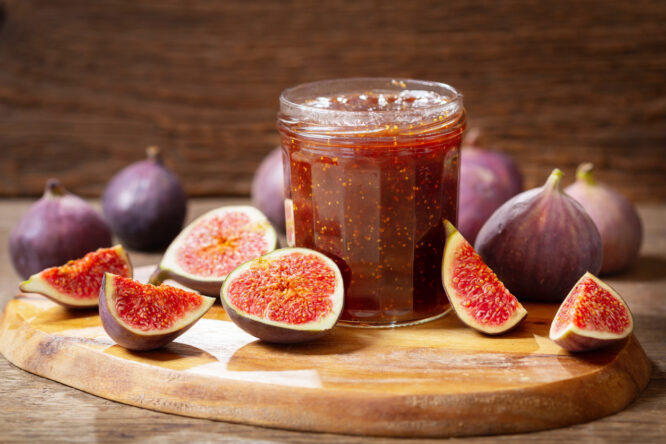
People often assume jam can sit anywhere once opened, but that depends on how much sugar it contains. Traditional, high-sugar jams tend to last longer outside the fridge, but lower-sugar versions are more perishable and should be kept chilled. Either way, refrigeration helps keep it fresher for longer.
Pickles and relishes should be refrigerated after opening.
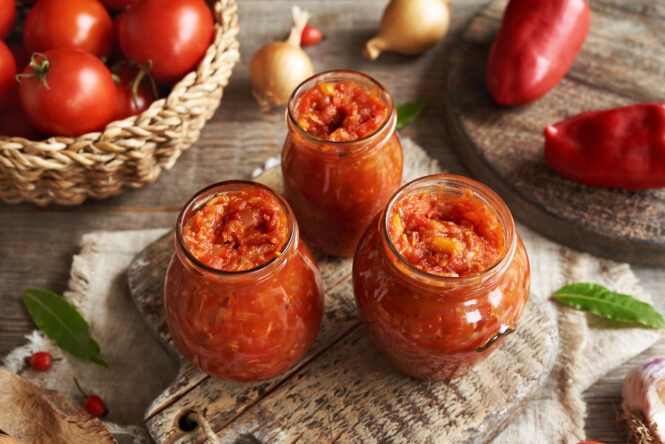
Pickled foods feel like they should last forever, but once opened, they’re best kept in the fridge. This helps maintain their texture and flavour, and prevents them from deteriorating too quickly. Leaving them out occasionally isn’t a disaster, but they shouldn’t live on the counter long term.
Worcestershire sauce is fairly low-maintenance.
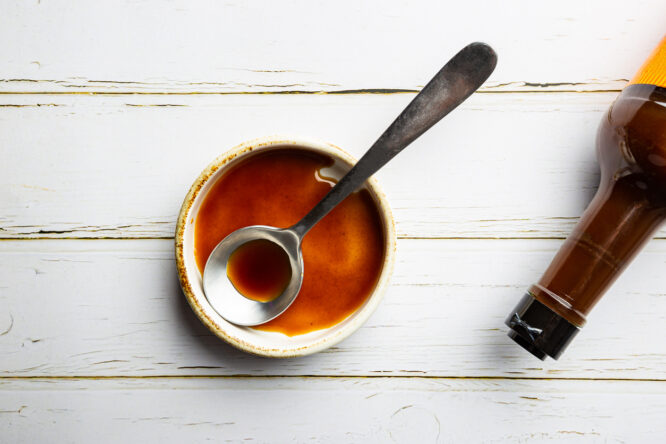
Worcestershire sauce is quite stable due to its ingredients, which is why people often leave it in the cupboard. That said, keeping it in the fridge after opening helps maintain its flavour over time. It’s not as sensitive as mayonnaise, but it still benefits from being chilled.
The fridge door isn’t always the best spot.

Most people store condiments in the fridge door, which is convenient but not always ideal. The temperature there changes more often because it’s opened regularly. For more sensitive items like mayonnaise, it’s better to keep them in a colder, more stable part of the fridge. Hardier condiments like ketchup or mustard are fine in the door.
The simplest way to get it right

You don’t need to overthink it. As a general rule, creamy or egg-based condiments should always be refrigerated, while vinegar-based or salty ones are more forgiving. If you’re unsure, the label is usually the best guide. Most people aren’t getting it completely wrong, but small changes in where you store things can make a noticeable difference to how long they last and how good they taste.