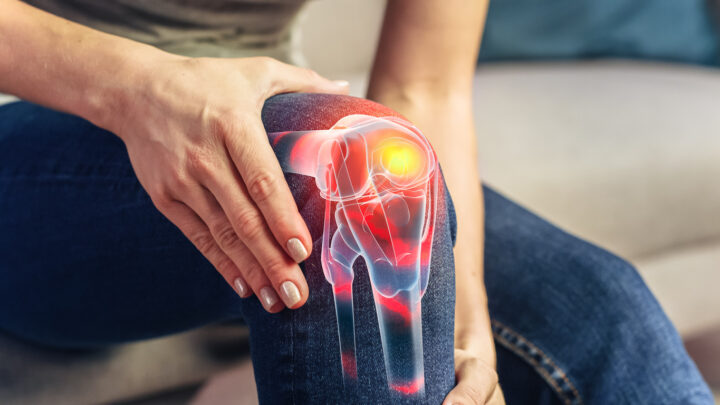
You don’t just wake up “old” one day; ageing tends to creep up a bit more slowly than that.

Things like standing up from a chair, walking at a good pace, climbing stairs, bending down, or carrying shopping bags can all become more challenging over time. Research across the UK keeps pointing to the same idea: staying independent later in life depends less on general fitness and more on strength, balance, coordination, and how well you can move in real-life situations.
The NHS recommends staying active every day, aiming for at least 150 minutes of moderate activity each week, and including strength and balance work at least twice weekly. That guidance exists for a reason. These are the physical abilities that help you manage your own body in normal situations, rather than just performing well in a gym setting. Keeping them sharp now makes a noticeable difference later, so get going.
Getting up from a chair without using your hands
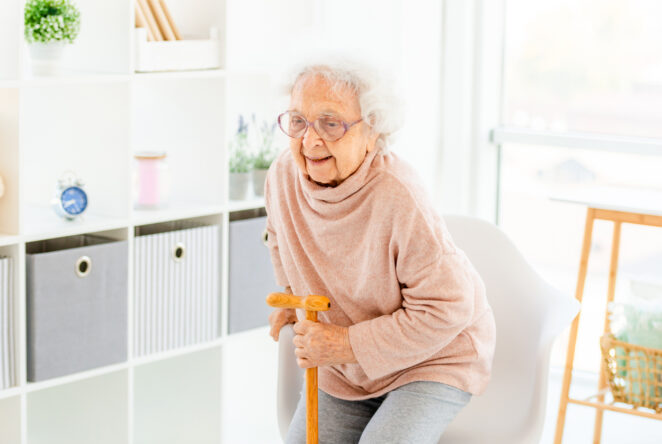
Standing up from a chair sounds basic, but it’s one of the clearest signs of how your body is ageing. It relies on leg strength, balance, coordination, and a bit of speed. Many studies use chair-rise tests to assess physical function because they reveal changes early, often before people notice any real decline in daily life.
Practising this is simple and effective. Try standing up without using your hands, or repeating the movement a few times in a controlled way. As time goes on, this builds strength and helps maintain the quick, functional movement your body needs in everyday life. It also targets muscle power, which tends to decline faster than strength as you get older.
Walking at a steady, confident pace

Walking speed is often treated as just a personal habit, but it’s actually a strong indicator of overall health. Slower walking speeds have been linked to higher risks of disability and reduced independence. It’s not just about being able to walk, but about how easily and confidently you can move through the world.
Practising brisk walking helps keep your mobility strong. Adding small challenges like walking on uneven ground, changing direction, or carrying light items can make it more realistic. These small adjustments train the kind of movement you rely on in daily life, from crossing roads to navigating busy places.
Climbing stairs without relying on support
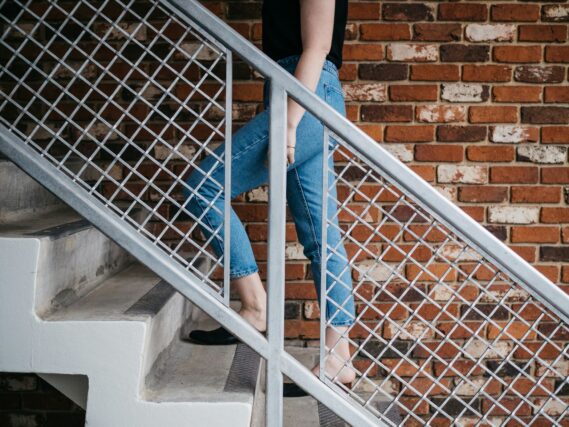
Stairs often become a struggle in the long run. They require strength, balance, coordination, and control, especially when going down. Many people manage them for years while gradually feeling less stable or more fatigued.
Keeping stairs in your routine helps maintain that ability. You can also use step-ups, controlled descents, and single-leg exercises to build strength. Staying confident on stairs matters more than people expect because avoiding them can lead to less movement overall, which only speeds up physical decline.
Getting down to the floor and back up again
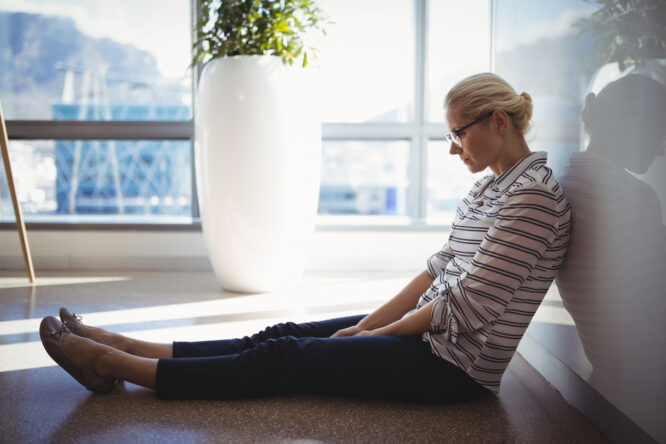
This is one of the most overlooked physical skills. Many adults stop spending time on the floor altogether, so the movement becomes unfamiliar and difficult. Later on, this can become a real issue, especially if a fall happens and getting up isn’t easy.
Practising this doesn’t need to be complicated. Sitting on the floor, moving through kneeling positions, and standing up with or without support can all help. It builds confidence as well as strength, and it’s one of the most practical skills you can maintain for long-term independence.
Balancing and recovering from a wobble
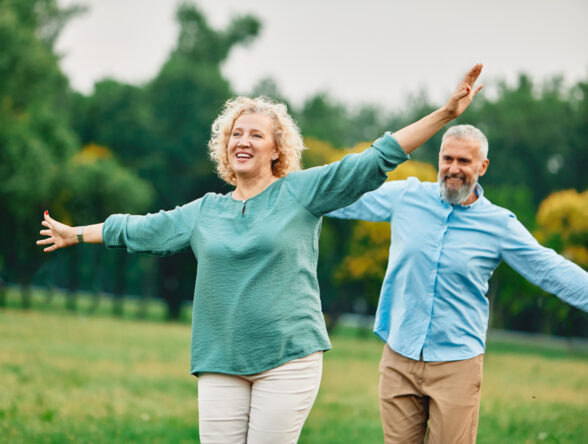
Balance isn’t just about standing still. It shows up when you turn quickly, step over something, or catch yourself after a misstep. As people get older, the ability to recover from small slips often declines, which is why falls become more common.
Simple balance exercises can make a big difference. Standing on one leg, walking heel to toe, or stepping sideways all help train stability. The goal isn’t perfection, it’s giving your body more options when something unexpected happens. That ability to recover is what often prevents a minor wobble turning into a fall.
Carrying and gripping everyday objects
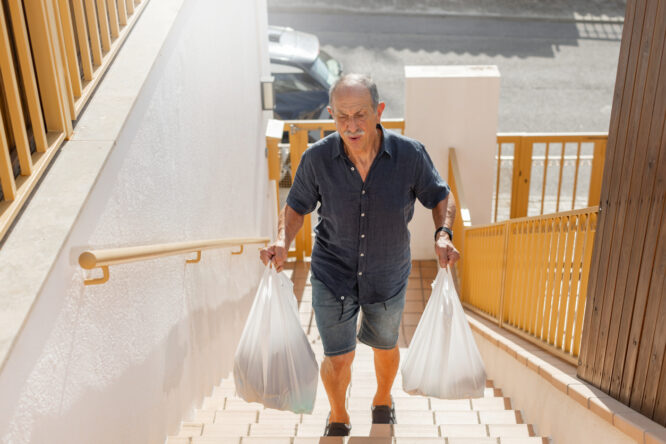
Grip strength plays a bigger role than most people realise. It affects everything from carrying shopping bags to opening jars or holding onto railings. As grip strength declines, people often start avoiding certain tasks without even noticing.
Keeping your hands and forearms strong helps maintain independence. Carrying bags, holding weights, or even doing simple resistance exercises can all help. These movements don’t need to be complicated. They just need to stay part of your routine so your hands remain reliable.
Bending, reaching, and twisting without stiffness
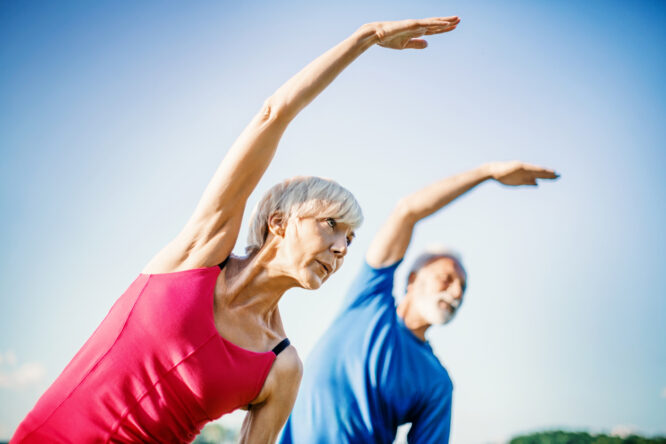
Many physical struggles don’t immediately manifest in obvious ways. They appear when reaching into cupboards, putting on shoes, or turning to grab something behind you. Reduced flexibility and mobility can make these tasks feel awkward or tiring.
Regular movement through everyday ranges helps prevent this. Squatting, bending, reaching overhead, and gentle twisting all keep your body moving freely. The aim isn’t extreme flexibility. It’s staying comfortable and capable in normal, everyday situations.
Why practising now makes a real difference later
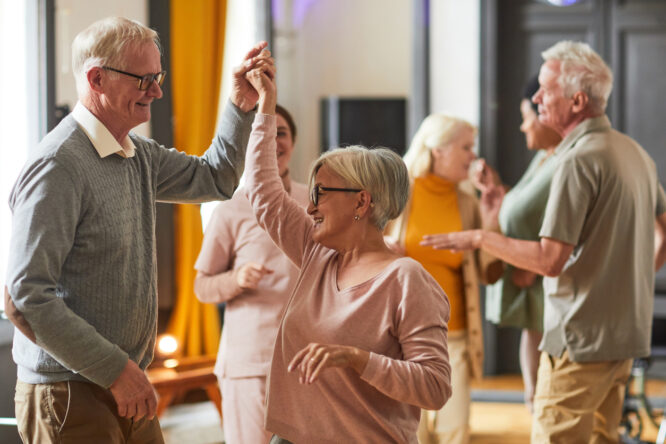
It’s much easier to maintain physical ability than to rebuild it once it’s gone. When people stop doing certain movements because they feel harder, those abilities tend to decline even faster. Strength drops, balance confidence fades, and everyday movement becomes more limited.
Keeping these tasks in your routine doesn’t require a major lifestyle change. Small, regular practice is enough to maintain the skills that matter most. Standing up, walking well, climbing stairs, balancing, and carrying things are all part of daily life. Keeping them sharp now gives you a much better chance of staying independent and capable for longer.