Eating well on a budget shouldn’t mean forcing yourself through bland meals or chasing trendy superfoods that cost a fortune.

The real win comes from foods that are cheap, filling, easy to cook, and actually taste good enough that you’ll keep buying them. In the UK especially, with food prices increasing daily, the smart approach is to focus on everyday staples that give you a lot of nutrition per pound spent without making meals feel like a compromise.
Most of the best-value foods share a few things in common: they’re simple, widely available, and flexible enough to work across loads of meals. They also tend to keep well, which means less waste and more value over time. Once you start building meals around these kinds of foods, eating well stops feeling expensive and starts feeling a lot more manageable.
Potatoes actually fill you up properly.
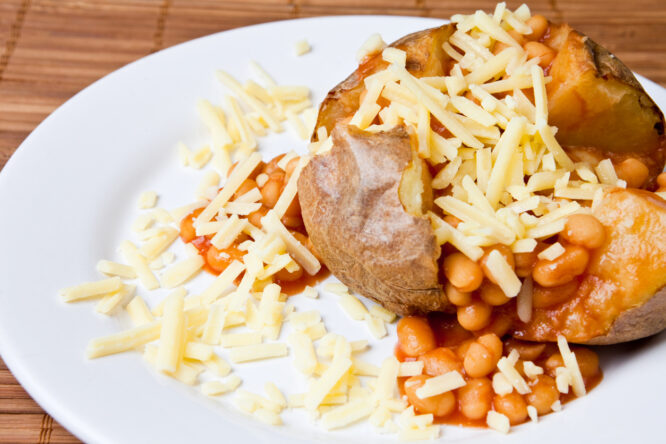
Potatoes are one of the most underrated foods when it comes to nutrition for the price. They’re cheap, widely available, and incredibly filling, which already puts them ahead of a lot of trendier options. On top of that, they provide vitamin C, potassium, fibre, and slow-release carbs that help keep you full for longer without spikes and crashes.
The reason they work so well is how versatile they are. Roast them, mash them, bake them, or turn them into wedges, and they still taste great without needing expensive extras. If you keep the skin on, you get even more fibre and nutrients, and with something as simple as beans, eggs, or a bit of cheese, you’ve got a proper meal that costs very little.
Eggs do almost everything.
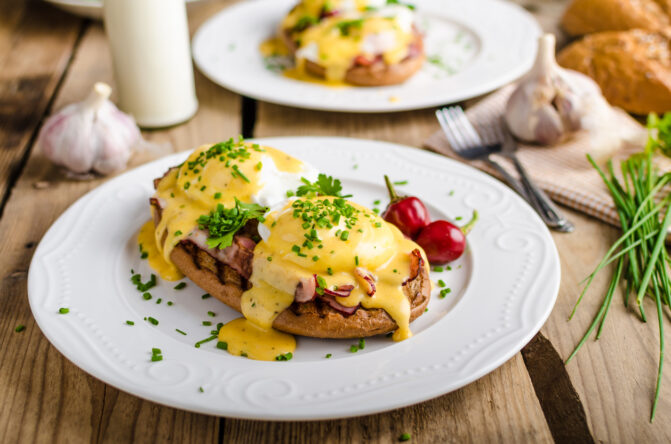
Eggs are one of the easiest ways to get high-quality protein without spending much. They also bring in vitamins like B12, vitamin D, and essential fats, making them far more than just a cheap filler food. A single box can stretch across multiple meals, which is exactly what you want when you’re trying to keep costs down.
They’re also hard to get bored of. Scrambled, fried, boiled, poached, or turned into an omelette, they work for breakfast, lunch, or dinner without feeling repetitive. You can throw them into rice, pasta, or toast and instantly make a meal more satisfying without adding much cost at all.
Oats cost pennies, but actually work.
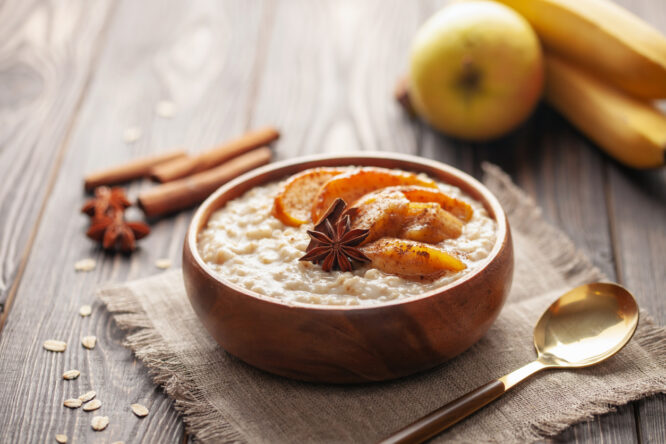
Oats are about as budget-friendly as it gets, but they’re also genuinely good for you. They’re packed with fibre, especially the kind that helps keep you full and supports heart health. For the price, it’s hard to find another food that does as much in terms of both nutrition and staying power.
They also don’t have to be boring. Porridge with fruit, a bit of honey, or peanut butter can feel like a proper meal rather than something you’re forcing down. You can even use oats in baking or savoury dishes if you want to mix things up a bit.
Beans can stretch meals without feeling cheap.
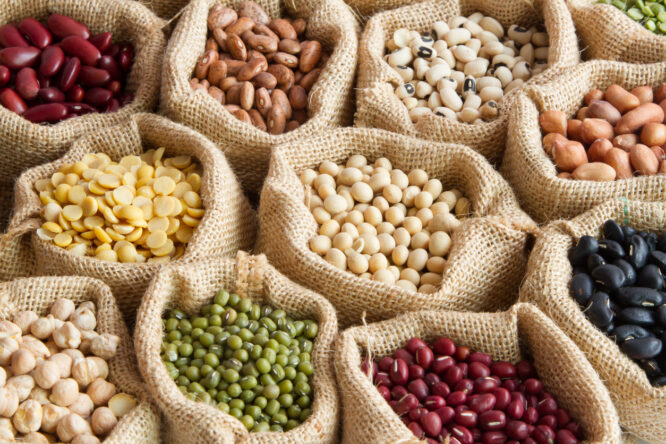
Beans, whether tinned or dried, are one of the best-value foods you can buy. They’re full of protein, fibre, and minerals, and they make meals feel more filling without needing expensive ingredients. They also work well in loads of dishes, from simple baked beans on toast to stews, curries, and chilli.
The key is that they don’t feel like a compromise. A decent bean-based meal can still be hearty and satisfying, especially when you add flavour with spices, herbs, or a bit of sauce. They bulk out meals in a way that saves money without making food feel lacking.
Rice keeps things simple and filling.
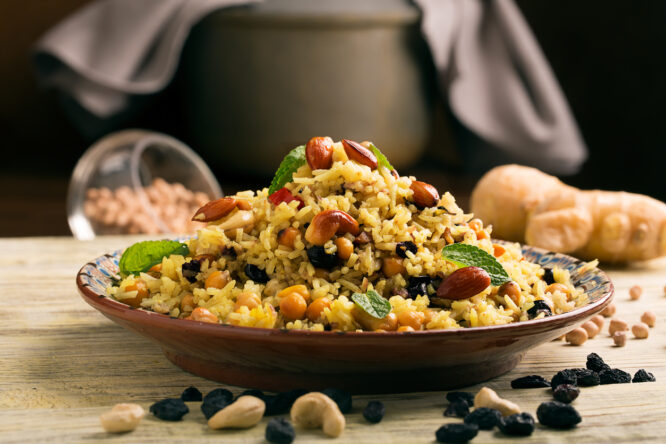
Rice is a classic for a reason. It’s cheap, easy to store, and works with almost anything. It provides steady energy and pairs well with proteins and vegetables, making it a solid base for budget-friendly meals that still feel complete.
Once you’ve got rice in the cupboard, you’ve got options. Stir-fries, curries, egg fried rice, or even simple leftovers all work around it. It helps stretch other ingredients further, which is exactly what you want when trying to keep costs under control.
Chicken thighs taste better than you expect.
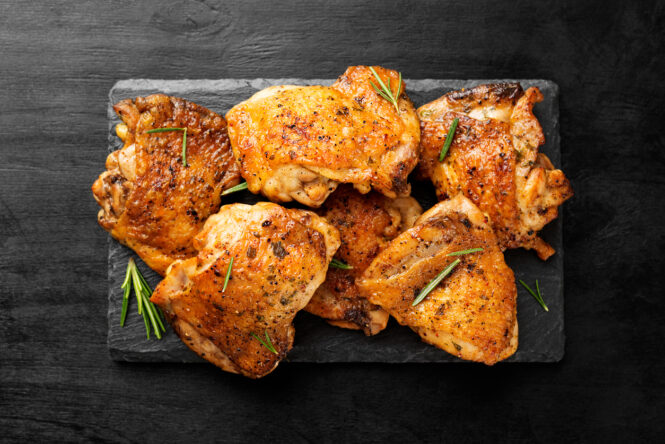
Chicken breast often gets all the attention, but thighs are usually cheaper and far more forgiving when cooking. They’re packed with protein and tend to stay juicy, which means meals come out better without needing much effort.
Roast them, slow cook them, or add them to stews and curries, and they hold flavour well without needing expensive ingredients. You can often buy them in larger packs for less, making them one of the best-value meats that still feel like a proper meal.
Tinned fish can be just as good as the fresh stuff.
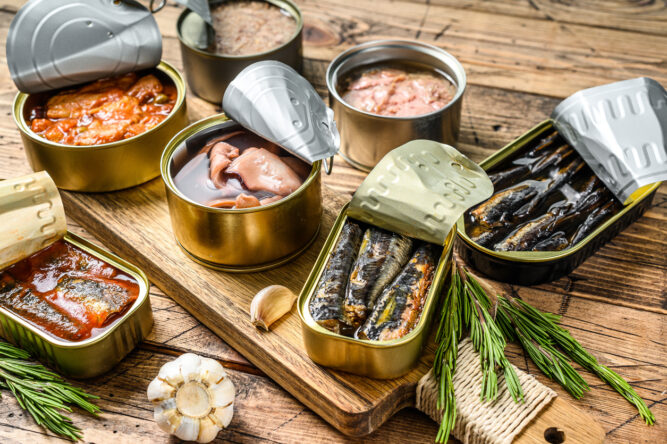
Tinned fish like tuna, sardines, or mackerel is one of the easiest ways to get protein and healthy fats without spending much. It also keeps for ages, which makes it useful to have on hand when you need something quick.
It’s also more flexible than people think. Tuna works in sandwiches, pasta, or jacket potatoes, while sardines and mackerel can be surprisingly good on toast or mixed into simple dishes. Once you get used to using them, they become one of those reliable staples you always come back to.
Lentils give a nutritional boost to pretty much everything.
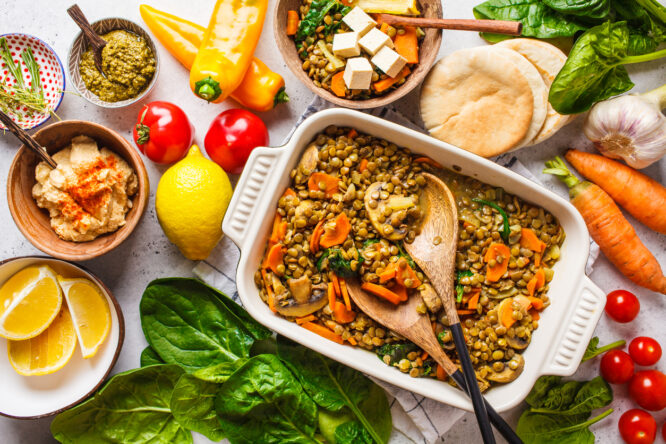
Lentils are one of the cheapest ways to add protein and fibre to your meals. They cook relatively quickly and absorb flavour well, which makes them ideal for soups, stews, and curries that feel hearty without costing much.
They’re also a great way to stretch meals. Adding lentils to mince dishes, for example, can bulk things out without anyone really noticing. It’s a simple trick that makes meals go further while still tasting good.
Frozen vegetables don’t go to waste.
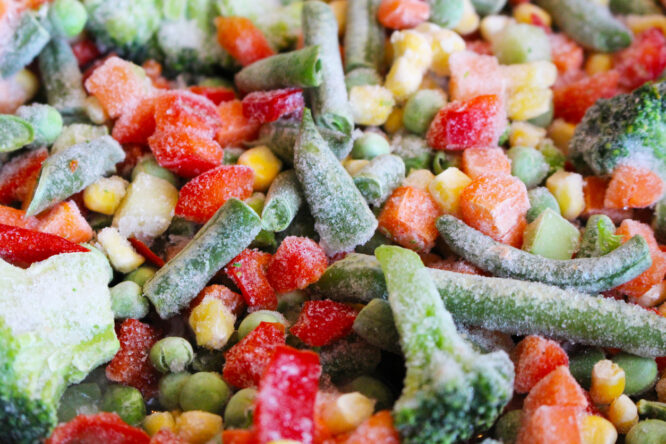
Frozen veg is often overlooked, but it’s one of the smartest ways to eat well on a budget. It’s usually just as nutritious as fresh veg, sometimes even more so because it’s frozen quickly after being picked. It also lasts much longer, which means less waste.
It’s also incredibly convenient. You can throw it straight into meals without prep, which makes cooking quicker and easier. Whether it’s peas, mixed veg, or spinach, it’s an easy way to add nutrients to meals without increasing your shopping bill much at all.
Bananas are cheap, filling, and actually enjoyable.
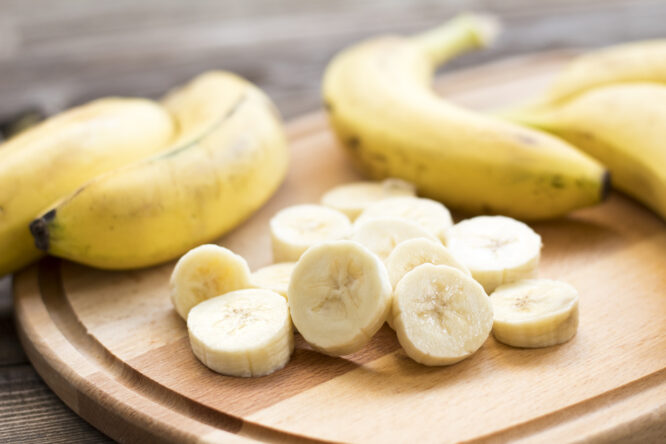
Bananas are one of the few foods that tick every box. They’re cheap, easy to eat, naturally sweet, and packed with potassium and energy. They also work as a quick snack that actually fills you up, rather than leaving you hungry again half an hour later.
You can eat them on their own, add them to porridge, or use them in simple baking. They’re one of those foods that make healthy eating feel easy, rather than like something you have to think too hard about.
Cheese adds flavour without needing much.
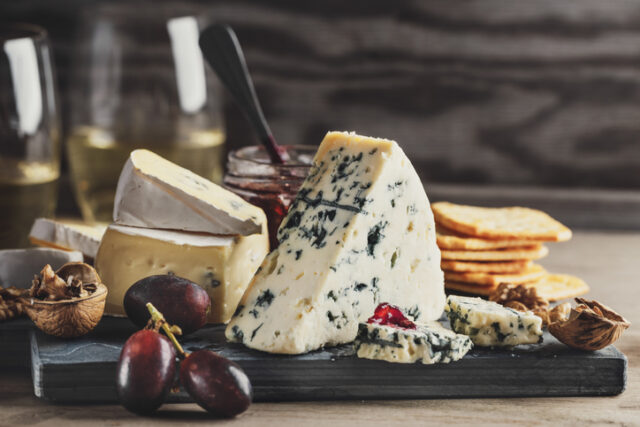
Cheese might not seem like a budget food at first, but used properly, it goes a long way. A small amount can completely change a meal, adding flavour and making simple dishes feel more satisfying.
Grated over potatoes, stirred into pasta, or added to toast, it helps turn basic ingredients into something you actually look forward to eating. It’s not about using loads, just enough to lift everything else.
Why these foods actually work long term

The real reason these foods matter isn’t just their price. It’s that they’re realistic to keep eating. There’s no point building a budget diet around things you don’t enjoy because it won’t last. The best approach is always the one you can stick with without feeling restricted.
When you mix and match these ingredients, you end up with meals that are filling, varied, and affordable. That’s the balance most people are actually looking for. Eating well doesn’t need to feel expensive or complicated, it just needs to make sense for real life.