The old-school rule that says buying is always better than renting is looking a bit dodgy these days, especially given the state of the UK property market these days.

For decades, we’ve been told that renting is just throwing money away, but with interest rates and maintenance costs where they are, the maths isn’t nearly as simple as it used to be. It’s no longer just a straight fight between a mortgage and a monthly rent payment; you’ve got to weigh up the freedom to move at a moment’s notice against the long-term security of owning your own front door. Before you sink every penny you have into a deposit, it’s worth looking at the reality of the current market to see if being a homeowner actually still delivers the financial win everyone promises.
The monthly costs are closer than you’d think.
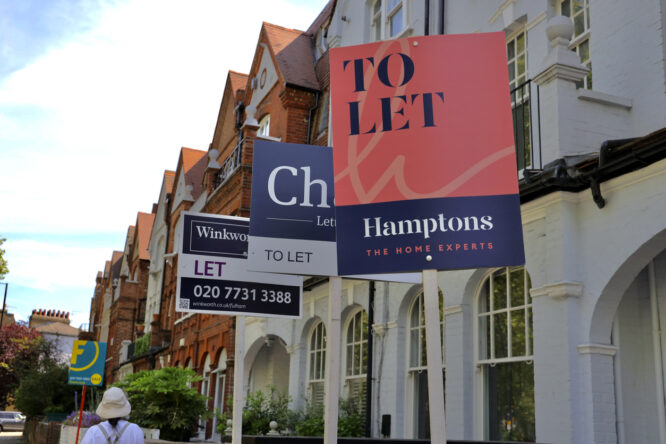
For years, buying was clearly more expensive month to month, but that gap has narrowed significantly. Research comparing first-time buyers with a 10% deposit against renters found that mortgage payments are now averaging around £1,328 a month, while renters are paying roughly £1,356. That’s almost identical, which changes the whole conversation.
It’s no longer the case that renting is obviously cheaper in the short term, and in some parts of the country, particularly in the north of England, buyers are actually paying less per month than their renting neighbours. London is still the exception, where renting edges out buying on monthly costs, but even that gap has been narrowing.
Where you live makes a huge difference.
The buy versus rent question doesn’t have one national answer because the UK property market isn’t one market, it’s dozens of very different ones depending on where you are. In the North East, buyers can save over £100 a month compared to renting. In London, the maths still tends to favour renting on a month-by-month basis, partly because property prices are so high and partly because the rental market there is enormous.
Cities like Manchester, Liverpool, and Birmingham are seeing strong demand and property price growth, which makes buying look more attractive if you’re in a position to do it. Anyone trying to make this decision really needs to look at what’s happening specifically in the area they want to live in, rather than going off national headlines.
The upfront costs of buying are substantial.
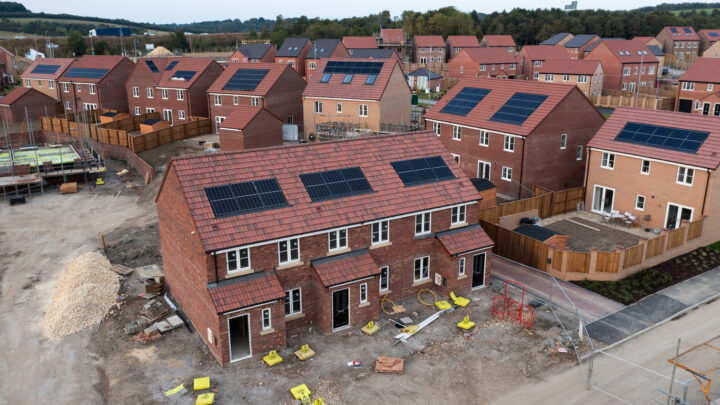
Even if a mortgage works out similar to rent each month, getting to that point costs a lot of money. You need a deposit, which is a minimum of 5% but ideally 10% or more to access better mortgage rates, and on an average UK property that’s a serious amount of savings.
On top of that, there’s stamp duty, although first-time buyers in England don’t pay it on properties under £300,000 since April 2025. Solicitor’s fees, survey costs, and mortgage arrangement fees can all add several thousand pounds to the total. Moving costs sit on top of that too. Renting, by comparison, needs a deposit and maybe a few hundred pounds in fees, which is why it remains the only realistic short-term option for a lot of people.
Buying builds equity, renting doesn’t.
This is the argument that still holds up. Every mortgage payment on a repayment deal reduces what you owe and builds ownership in the property, and if the property goes up in value over time, that equity grows further. If you own a home worth £270,000, and it grows at even a modest rate over 25 years, you could end up with a significant asset that either funds your retirement, allows you to downsize and free up cash, or gives you something to pass on.
Renters don’t get any of that. Monthly rent covers your housing but leaves you with nothing at the end of the tenancy, which is a real consideration for anyone thinking about long-term financial security.
Ownership comes with costs that people underestimate.

Buying a property doesn’t just mean paying your mortgage and getting on with your life. You become responsible for everything that goes wrong, and things do go wrong. Boilers break, roofs need work, bathrooms need updating, and none of that comes cheap.
A sensible rule of thumb is to budget around 1% of the property’s value each year for maintenance and repairs, which on a £250,000 home means setting aside roughly £2,500 annually. Renters don’t carry that burden because it falls to the landlord. It’s one of the less glamorous realities of homeownership that often gets overlooked when people are excitedly doing their mortgage calculations.
Flexibility matters more than it used to.

Life moves fast, and not everyone can predict where they’ll be in five years. Renting makes it relatively straightforward to move for a new job, a relationship change, or just because you want a fresh start somewhere else. Selling a property takes time, money, and comes with estate agent fees, legal costs, and the uncertainty of finding a buyer.
Most financial advice suggests that buying only really makes sense if you’re planning to stay in the same place for at least five years because below that threshold, the transaction costs tend to outweigh the financial benefits. If your life is in a period of change, or you’re not settled in a particular area, renting genuinely is the more sensible option regardless of what the monthly costs look like.
Mortgage rates still matter a lot.

Rates have come down from the painful highs of 2023, but they’re still nowhere near the historic lows people got used to before 2022, with most fixed deals sitting somewhere between 4% and 5%. That affects affordability, particularly for people buying in more expensive areas or with smaller deposits.
The rate you get also depends on your deposit size, your credit history, and the overall size of the loan, so two people buying the same property could end up with very different monthly costs. It’s worth getting mortgage advice from an independent broker before making any decisions because the deal you can access makes an enormous difference to whether buying actually stacks up for your situation.
Property prices are growing modestly, not dramatically.

The era of rapid house price growth has calmed down. National forecasts for 2026 suggest price rises of around 2% to 4%, which is more measured than the post-pandemic surge. Some regions are outperforming that, particularly in the north of England, while London and parts of the south are seeing slower movement.
That’s relevant because part of the traditional argument for buying was that property always goes up, but that’s never been guaranteed and it’s been especially unpredictable in recent years. Buying is still a solid long-term bet in most parts of the UK, but it’s less of a slam dunk than it felt a decade ago, and anyone expecting rapid gains in the short term is likely to be disappointed.