The idea that loyalty to your bank actually pays off is one of the biggest myths in personal finance.

That’s especially true when you consider that a five-minute switch can land you hundreds of pounds in cold, hard cash. Money experts are currently pointing to a massive surge in switching incentives for the new financial year, with some of the UK’s biggest names offering up to £500 to lure you away from your current provider.
It’s a competitive market right now, meaning you’re no longer just choosing between a free toasted sandwich maker and a leather diary; you’re looking at genuine cash injections, high-interest regular savers, and ongoing cashback on your monthly bills. Whether you’re after a simple “thank you” payment or a long-term perk like worldwide travel insurance, there’s a deal on the table that’ll likely beat whatever your current bank is doing for you.
Before you settle for another year of zero rewards, it’s worth seeing which banks are currently fighting the hardest for your business.
If your main goal is lowering bills, Santander Edge is hard to ignore.
Santander’s Edge account is built around everyday spending, especially household bills. You get 1% cashback on things like energy, council tax, broadband, water and mobile bills, capped at £10 a month. That doesn’t sound huge, but it adds up over a year and offsets the £3 monthly fee fairly easily.
On top of that, there’s a £200 switching bonus if you meet the criteria, plus a linked saver paying around 6% interest on up to £4,000 for the first year. You’ll need to pay in at least £500 a month and have two direct debits set up, which is pretty manageable for most people.
If you like ongoing perks, Club Lloyds gives you something back every year.
Club Lloyds is one of the more balanced accounts because it combines a solid switching bonus with ongoing rewards. You get £200 upfront, but the real draw is the yearly perk, which could be a streaming subscription, cinema tickets, or a membership bundle.
There’s also access to a regular saver with around 6.25% interest, which is strong compared to standard savings accounts. The catch is you need to pay in £2,000 a month to avoid a £5 fee, so it suits people with a steady income going through the account.
If you just want a quick cash bonus, Barclays keeps it simple.
Barclays offers a straightforward £200 switching bonus with fewer moving parts than some others. You’ll need to pay in £2,000 and switch over a couple of direct debits, but there’s no need to keep juggling conditions long term. If you want extras, their Blue Rewards scheme adds perks like an Apple TV+ subscription and a savings account, though it costs £5 a month. It’s only really worth it if you’d use those benefits anyway.
If service matters to you, First Direct stands out.

First Direct consistently scores near the top for customer service, which makes a difference if you value smooth day-to-day banking. The switching bonus is slightly lower at £175, but the overall package is strong. You also get access to a regular saver with around 7% interest and a fee-free debit card for spending abroad. There’s a £1,000 pay-in requirement and a few simple steps to qualify, but nothing too complicated compared to other offers.
If you want steady cashback, NatWest Reward is worth a look.
NatWest’s Reward account offers a smaller £150 switching bonus, but it’s built around ongoing returns. You can earn about £5 a month in cashback by meeting simple conditions, which works out at roughly £36 a year after the £2 monthly fee.
There’s also a linked regular saver with a strong interest rate, making it a decent option if you want something that keeps paying back beyond the initial switch bonus.
If you’re happy to jump through a few hoops, Co-op can pay out more over time.
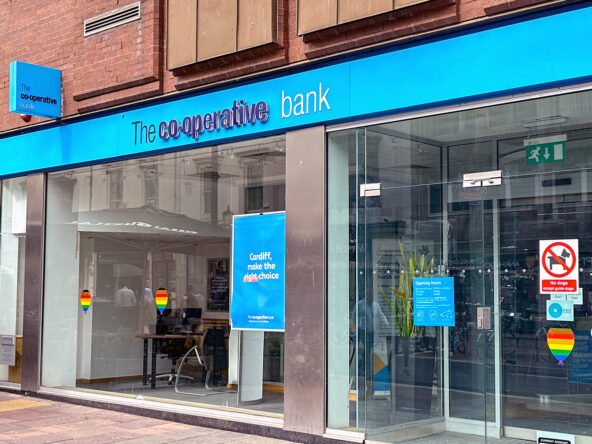
The Co-op account looks smaller upfront with a £100 bonus, but it builds if you stick with it. You can earn an extra £25 a month for three months, bringing the total up to around £175. It does require a bit more effort, including multiple transactions and monthly conditions, so it suits people who don’t mind keeping track of requirements. There’s also a 7% regular saver attached, which adds extra value.
If you earn more, the bonuses get much bigger.
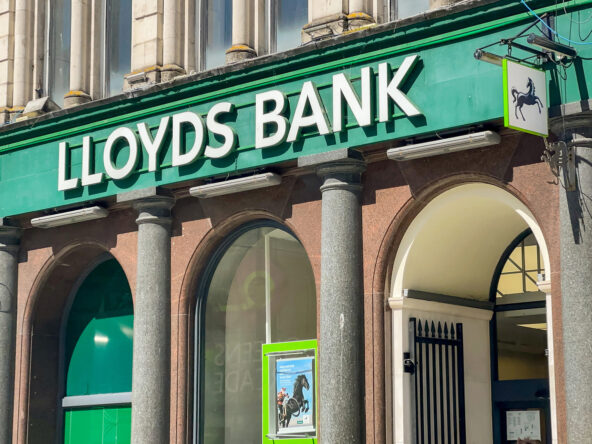
Higher earners can access much larger switching deals. Lloyds Premier, for example, offers up to £500, along with cashback on spending, health perks, and the same reward choices as Club Lloyds. Barclays Premier and NatWest Premier also offer bonuses in the £250 to £400 range, but you’ll need a salary of around £75,000 to £100,000 or significant savings or investments with the bank to qualify.
The real catch is always in the requirements.

Nearly every switching offer comes with conditions. You’ll usually need to switch an existing account, move over a set number of direct debits, and pay in a minimum amount within a certain timeframe. Some also require debit card spending or logging into the app. Missing even one of these steps can mean missing the bonus entirely, so it’s worth double-checking everything before you start.
Timing matters more than people think.

Many of these offers are limited-time deals, with deadlines for opening accounts and completing switches. Some require everything to be done within 30 to 60 days, which can catch people out if they leave it too late. Planning it properly, including moving your direct debits in advance, makes the process much smoother and helps you avoid missing out on the payout.
The best account depends on how you actually use your money.

It’s tempting to go straight for the biggest bonus, but that’s not always the best long-term choice. If you pay a lot in household bills, cashback accounts can be more useful. If you save regularly, high-interest linked savers might matter more. Looking at your own habits first usually leads to a better decision than chasing whichever offer looks biggest on paper. The best switch is the one that keeps giving something back after the bonus is paid.
For more information on the UK’s best current accounts, Money Saving Expert has a great rundown on its website.