Anyone seeing headlines about a £5,690 car tax might assume drivers are about to get hit with a massive new yearly bill, but that’s not quite the full story.
What’s actually changing is more specific, but it still matters, especially if you’re planning to buy a brand-new car from April 2026. From 1 April, the highest first-year Vehicle Excise Duty band will rise again. That means some new petrol, diesel and hybrid cars with the highest emissions will come with a hefty upfront tax bill the moment they’re registered. It’s not an annual charge for most drivers, but it’s big enough to affect buying decisions straight away. Here’s what you need to know, and which vehicles are impacted.
What’s actually changing from April

The key change is to first-year VED, which is the tax paid when a car is first registered. This is based on CO2 emissions, and from April 2026, the top band for cars emitting over 255g/km rises to £5,690. Lower bands are increasing as well, but the biggest attention is on that top figure. It mainly affects larger engines, performance cars, and certain SUVs or pickups that sit at the higher end of emissions.
Why this isn’t truly a £5,690 yearly tax
This is where a lot of confusion comes in. The £5,690 charge only applies in the first year when the car is brand new. After that, most vehicles move onto the standard annual rate, which is much lower. So, while the headline number sounds extreme, it’s really about the upfront cost of buying new. It’s designed to influence that first decision rather than act as an ongoing yearly penalty.
Why the government is increasing these rates
The goal behind the changes is to push people towards lower-emission vehicles, especially electric cars. By making high-emission cars more expensive to buy in year one, the gap between petrol or diesel models and EVs becomes more noticeable. It’s part of a wider change in policy where tax is being used to shape behaviour. Instead of banning certain cars outright, the system makes them pricier to choose, which gradually nudges the market in a different direction.
Why the jump feels so steep
The reason this has caught so much attention is that the increase builds on changes made the year before. In 2025, many first-year VED rates for higher-emission cars were already doubled, which pushed the top band much higher than people were used to. The 2026 rise is smaller on its own, but when added to last year’s changes, it leaves buyers facing a much bigger bill than they would have just a couple of years ago. That’s why it feels like such a sudden jump.
Which types of cars are most affected
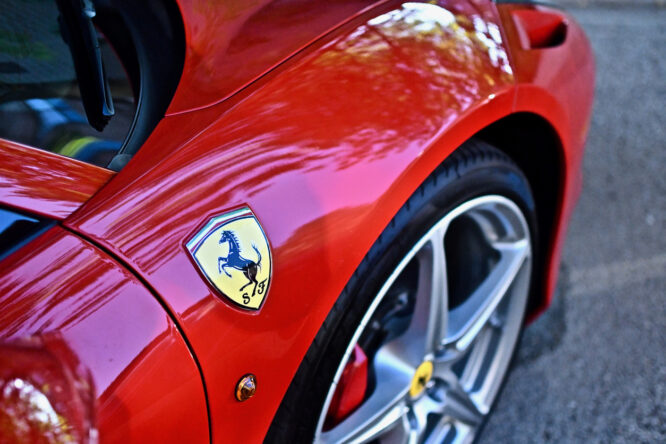
This mainly hits brand-new cars with large engines and high emissions. That includes performance models, luxury cars, and bigger SUVs, along with some pickups and off-road vehicles. It’s not just ultra-expensive supercars, either. While brands like Ferrari and Lamborghini are included, there are also models from more familiar names like Ford, Toyota, and Volkswagen that fall into the higher bands depending on engine choice.
What this means if you already own one

If you already own one of these cars, this specific £5,690 figure likely doesn’t apply to you. First-year VED is only paid when the car is brand new and first registered. Existing owners are usually paying the standard annual rate instead. So this change mainly affects new buyers rather than people who already have the car on the road.
The full range of new first-year tax bands
The new system covers a wide range of emissions levels, starting from low-emission cars and rising steadily. Zero-emission vehicles stay at a very low rate, while each step up in emissions increases the cost. At the top end, cars producing over 255g/km now face that £5,690 charge, which is the highest level currently in place and the one getting the most attention.
What buyers should check before choosing a car
If you’re buying new, the most important thing to check is the exact CO2 figure for the model you’re considering. Small differences between engine options or trims can push a car into a higher tax band. That means two versions of the same car can come with very different first-year tax bills. It’s worth checking properly before committing, especially with these higher rates now in play.
The full list of cars named as falling into the top tax band

Land Rover Defender 90 5.0 P425 V8
Ford Ranger 2.0 TD EcoBlue
Audi RSQ8 4.0 TFSI V8
Lamborghini Huracan 5.2 V10
Porsche 911 3.7T 992 Turbo
Audi RS7 4.0 TFSI V8
Bentley Bentayga 4.0 V8
Volkswagen Amarok 3.0 TDI
INEOS Grenadier 3.0P
Porsche Macan 2.9T V6
Audi RS6 4.0 TFSI V8
Mercedes-Benz GLE63
Audi SQ8 4.0 TFSI V8
Chevrolet Corvette Stingray 6.2 V8
Audi R8 5.2 FSI V10
Audi SQ7 4.0 TFSI V8
Ford Ranger 3.0 V6
BMW X7 M 4.4 V8
Aston Martin Vantage 4.0 V8
Aston Martin DBX 4.0 V8
Full list of cars named continued…
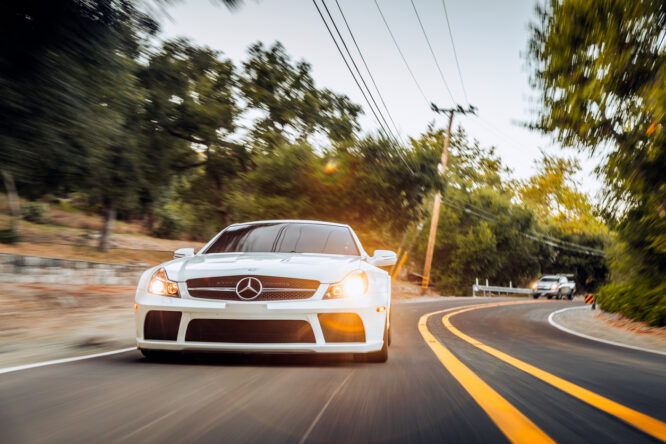
Mercedes-Benz SL55
Ford Mustang 5.0 V8
Ferrari Roma 3.8T V8
Mercedes-Benz GLC63
Aston Martin DB12 4.0 V8
Maserati Levante 3.0 V6
Maserati Levante 3.8 V8
Toyota Hilux 2.8D
Porsche 718 Cayman 4.0 GT4
Mercedes-Benz G400D
BMW M8 4.4 V8
Audi S8 4.0 TFSI V8
Maserati MC20 3.0 V6
BMW Alpina XB7 4.4 V8
Ford Ranger 3.0 EcoBlue
BMW X5 M 4.4 V8
Range Rover 4.4 P615 V8
Range Rover 4.4 P530 V8
Lamborghini Revuelto 6.5 V12
Bentley Flying Spur 4.0 V8
The remaining vehicles named on the list
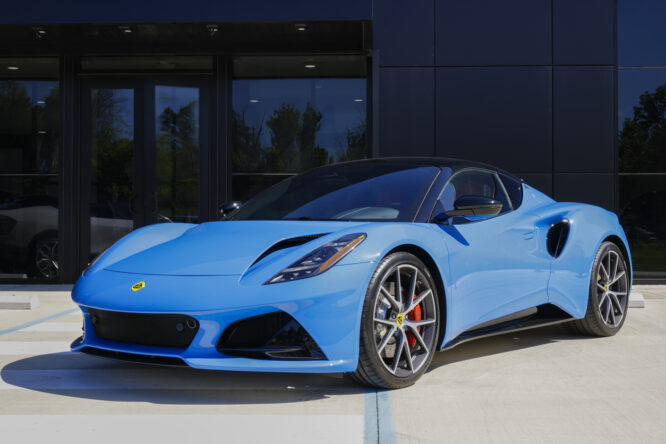
Lotus Emira 3.5 V6
Jaguar F-Pace 5.0 P575 V8
Rolls-Royce Cullinan 6.75 V12
Lamborghini Urus 4.0 V8 BiTurbo
Alfa Romeo Stelvio 2.9 V6 Bi-Turbo
Land Rover Defender 110 5.0 P425 V8
BMW X6 M 4.4 V8
Mercedes-Benz GLS63h
Ferrari Purosangue 6.5 V12
Rolls-Royce Ghost 6.75 V12
Mercedes-Benz G63
McLaren GT 4.0T V8
Jeep Wrangler 2.0 GME
Mercedes-Benz AMG GT 4.0 V8
Bentley Continental 6.0 W12
Range Rover Sport 4.4P V8
Porsche Cayenne 4.0T V8
Bentley Continental 4.0 V8
Toyota Land Cruiser 2.8D
The bigger picture behind the changes
This isn’t just about one tax rise. It’s part of a wider shift in how cars are taxed in the UK, with a clear focus on emissions. The higher the emissions, the more expensive it becomes to buy new. For some buyers, that won’t make much difference. But for others, especially those considering high-performance or large vehicles, it could easily be the thing that changes their final decision. That’s exactly what the system is designed to do.
For a full list of vehicle tax rates effective from 1 April 2026, see the chart provided on the GOV.UK website.