Finding a way to cool down the body’s internal fire often feels like a full-time job, especially when the modern diet is basically a roadmap for making things worse.

It’s a bit of a weird one because we’re constantly told to eat “clean,” but nobody ever explains how a handful of specific ingredients can actually act like a natural fire extinguisher for your joints and gut. Instead of just reaching for the ibuprofen every time you feel a bit stiff or bloated, there’s a real power in looking at what’s on your plate as a genuine bit of preventative maintenance.
The 14 foods we’ve pulled together aren’t just trendy superfoods; they’re the heavy hitters that have been proven to dial back the redness and the aches that usually follow a stressful week. Whether you’re dealing with a flare-up right now or you’re just trying to keep the engine running smoothly, it’s worth seeing how a few simple swaps can make a massive difference to how you actually feel when you wake up.
1. Fatty fish like salmon and mackerel support your body’s natural anti-inflammatory balance.
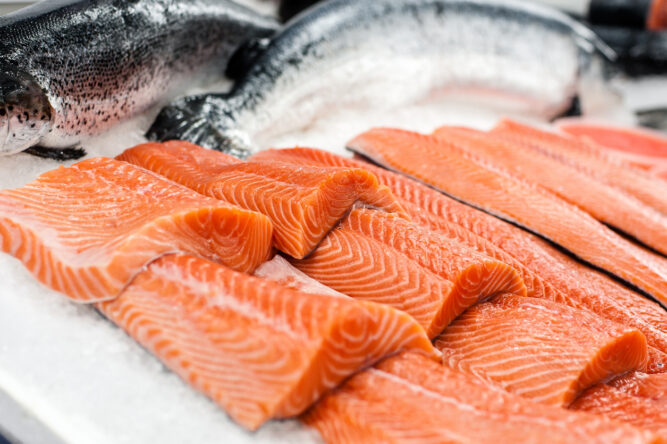
Fatty fish sit right at the top of the evidence ladder when it comes to lowering inflammation. They’re packed with omega-3 fatty acids, specifically EPA and DHA, which help dial down the chemicals your body releases during prolonged inflammation. Studies have consistently linked regular intake of oily fish with lower levels of markers like CRP and inflammatory cytokines, which are often elevated in chronic conditions.
This doesn’t mean having salmon once and expecting a miracle. It works more like a slow adjustment over time, especially when fish replaces more processed or fatty meats. Even a couple of portions a week can make a noticeable difference, particularly for heart health, joint comfort, and overall recovery after illness or stress.
2. Extra virgin olive oil works more like a food than a fat when it comes to inflammation.
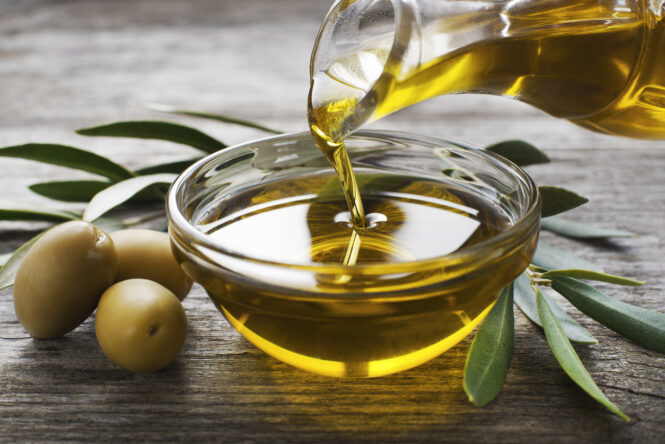
Not all fats behave the same way in the body, and olive oil is a good example of that. High-quality extra virgin olive oil contains compounds like oleocanthal, which has been shown to act in a similar way to mild anti-inflammatory medications. It helps reduce irritation at a cellular level rather than just masking symptoms.
The key is using it regularly, not sparingly. Drizzling it over vegetables, using it in dressings, or swapping it in place of processed oils adds up over time. Diets that rely heavily on olive oil, like the Mediterranean diet, consistently show lower rates of long-term inflammatory diseases, which gives this one a solid track record.
3. Berries bring a quiet but powerful mix of antioxidants into your system.

Berries often get labelled as a health trend, but the science behind them is actually pretty solid. Blueberries, strawberries, and blackberries are full of flavonoids and polyphenols that help reduce oxidative stress, which is one of the main drivers of chronic inflammation in the body.
You don’t need huge amounts to benefit. A handful added to breakfast or eaten as a snack can still contribute to lowering inflammation over time. They’re also easy to keep consistent because they don’t require much prep, which tends to make people stick with them longer.
4. Leafy greens help keep inflammation low by supporting multiple systems at once.
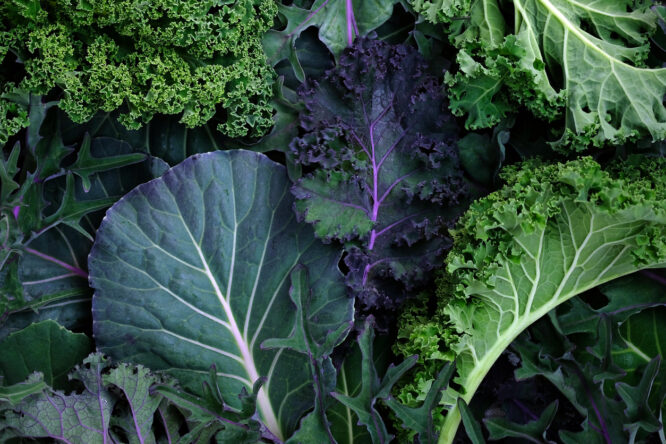
Vegetables like spinach, kale, and Swiss chard don’t just target one pathway. They support your immune system, gut health, and overall nutrient balance all at once. They’re loaded with vitamins, fibre, and plant compounds that help reduce inflammatory responses across the body.
What makes them effective is consistency rather than quantity in one sitting. Adding greens into everyday meals, whether that’s in a sandwich, stir-fry, or alongside dinner, helps create a steady background effect that keeps inflammation from building up in the first place.
5. Nuts, especially walnuts and almonds, offer steady anti-inflammatory support.
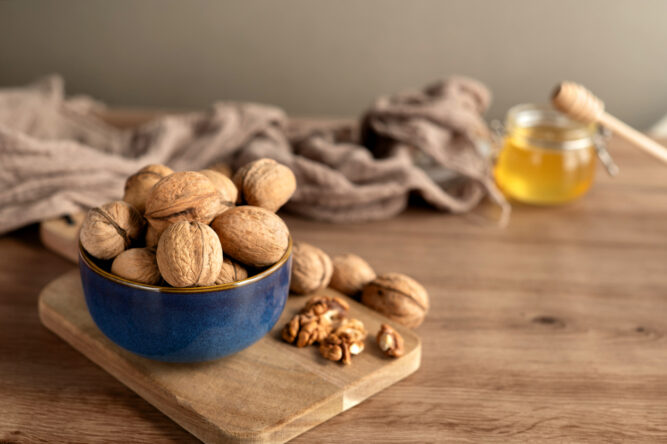
Nuts are one of those foods people often overlook because they seem simple, but they carry a lot of value. Walnuts provide plant-based omega-3s, while almonds bring vitamin E and antioxidants, both of which help reduce inflammation in blood vessels and tissues.
They also tend to replace less helpful snacks like crisps or sugary foods, which makes them doubly useful. A small handful each day is enough to contribute to long-term benefits without overdoing calories, making them easy to work into a normal routine.
6. Seeds like chia and flax quietly support inflammation through gut health.
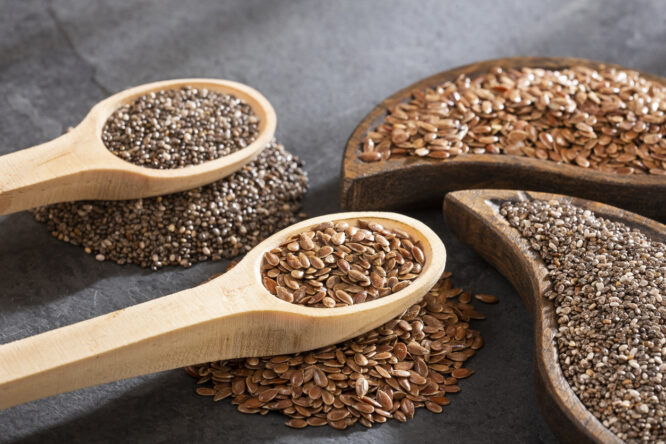
Chia seeds and flaxseeds don’t always get as much attention as fish or berries, but they play an important role, especially for people who don’t eat animal products. They contain plant-based omega-3s and a high amount of fibre, both of which contribute to lowering inflammation.
What often gets missed is how much they support the gut. A healthier gut environment tends to reduce inflammatory signals throughout the body. Adding them to yoghurt, porridge, or smoothies is a simple way to keep that support going without much effort.
7. Tomatoes help reduce inflammation in a way that improves when they’re cooked.
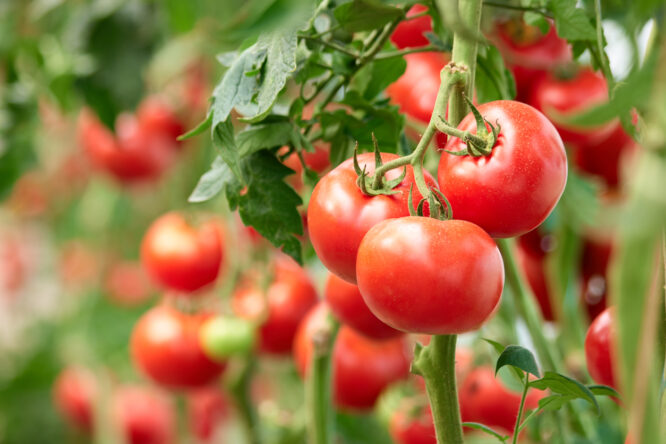
Tomatoes are rich in lycopene, an antioxidant linked to reduced inflammation and better heart health. What’s interesting is that cooking tomatoes actually increases the availability of lycopene, which means things like sauces and soups can be just as beneficial, if not more so, than raw tomatoes.
This makes them one of the easiest foods to include regularly. They show up in everyday meals without needing to be forced in, and over time, that regular intake contributes to lower oxidative stress across the body.
8. Cruciferous vegetables work deeper by influencing how inflammation is triggered.

Broccoli, cauliflower, and cabbage don’t just reduce inflammation on the surface. They contain compounds like sulforaphane that can actually influence how inflammatory processes start in the body. That gives them a slightly different role compared to foods that simply reduce existing inflammation.
They’re not always people’s favourite vegetables, but how they’re prepared makes a big difference. Roasting, seasoning, or adding them into mixed dishes can make them easier to eat regularly, which is where the real benefit comes from.
9. Turmeric adds a concentrated anti-inflammatory compound into your diet.
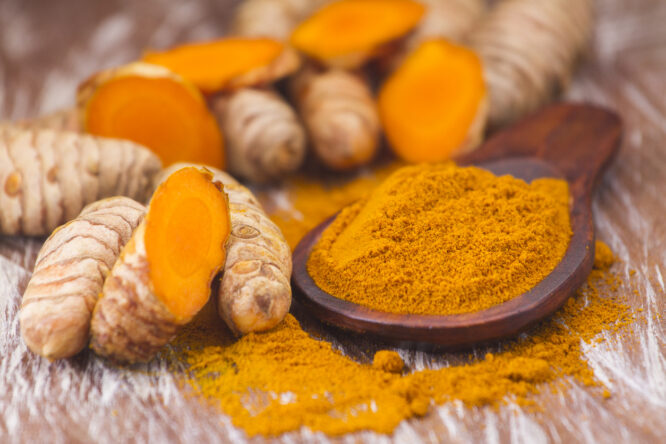
Turmeric has been studied heavily because of curcumin, the compound responsible for its anti-inflammatory effects. It’s been shown to lower markers like CRP and can be helpful for people dealing with joint pain or long-term inflammatory conditions.
It’s worth knowing that turmeric on its own isn’t absorbed particularly well. Pairing it with black pepper significantly improves how your body uses it. Even small amounts added into meals can contribute over time, especially when used regularly rather than occasionally.
10. Ginger helps calm inflammatory responses while also supporting digestion.

Ginger contains compounds called gingerols that help reduce the production of inflammatory chemicals in the body. It’s often linked with easing muscle soreness and joint discomfort, but it also supports digestion, which ties back into inflammation control.
It’s easy to include without changing your diet too much. Fresh ginger in cooking, grated into meals, or even added to tea can make a difference. The key again is keeping it consistent rather than treating it as a one-off fix.
11. Garlic and onions support the immune system in a more gradual way.
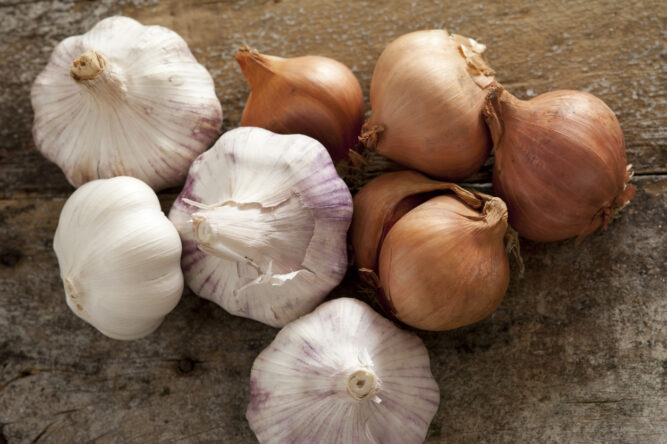
Garlic and onions don’t act like quick fixes, but they do support the immune system in a steady, ongoing way. They contain sulphur compounds and antioxidants that help regulate how the body responds to stress and inflammation.
Because they’re used in so many meals already, they’re one of the easiest additions to get right without thinking about it. Cooking with them regularly builds a background level of support that contributes to overall lower inflammation over time.
12. Whole grains help reduce inflammation by feeding the right gut bacteria.
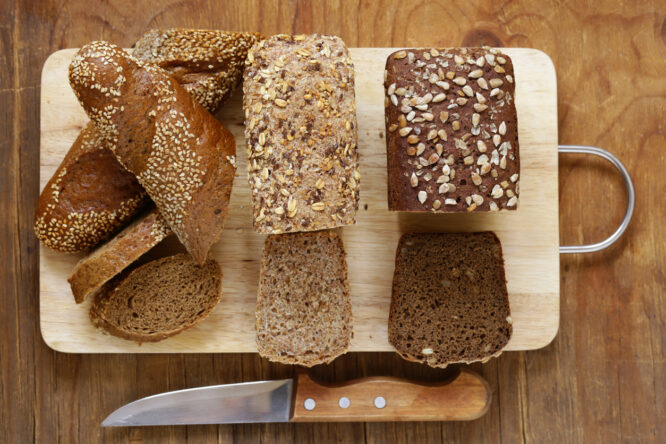
Whole grains like oats, brown rice, and whole wheat are rich in fibre, which plays a big role in controlling inflammation. Fibre feeds beneficial gut bacteria, and a healthy gut environment is strongly linked to lower levels of chronic inflammation.
Swapping refined carbs for whole grains doesn’t feel dramatic, but it has a steady effect. Over time, this kind of change helps reduce spikes in blood sugar and inflammation, making it one of the more practical adjustments people can stick with.
13. Green tea provides a steady stream of anti-inflammatory compounds.
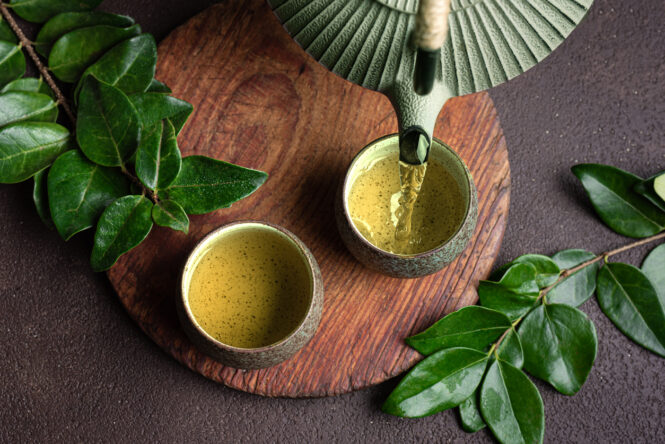
Green tea is packed with catechins, particularly EGCG, which has been shown to reduce inflammatory activity in the body. It’s one of the simplest habits to build because it doesn’t require changing meals or routines too much.
Drinking it regularly tends to be more effective than having it occasionally. Even one or two cups a day can contribute to better long-term balance, especially when it replaces sugary drinks that can push inflammation in the opposite direction.
14. Dark chocolate can help, as long as it’s the right kind.

Dark chocolate with a high cocoa content contains flavonoids that help improve blood vessel function and reduce inflammation. It’s one of the more enjoyable ways to support your diet, but it does depend on choosing chocolate with at least 70% cocoa.
It still needs to be eaten in moderation, but it’s a good example of how reducing inflammation doesn’t have to feel restrictive. Small, consistent choices like this tend to be easier to maintain, which is what actually leads to long-term benefits.