We’re in an era of obsessive wellness where one week a fried egg is a superfood and the next it’s a one-way ticket to a clogged artery, and most of us are exhausted by the whole charade.

While nobody is suggesting you swap your salad for a diet of pure lard, a fair few of those supposed dietary villains have been given a bit of a rough ride by the clean eating crowd. Whether it is the much-maligned potato or the supposed evils of full-fat dairy, some of these staples actually pack a punch when it comes to nutrients that your body is probably crying out for.
Before you bin that block of cheddar or swear off white rice for good, it’s worth looking at the actual science that suggests these foods aren’t the health disasters they’ve been portrayed as in the media.
Potatoes aren’t the problem people make them out to be.

Potatoes often get lumped in with unhealthy carbs, but on their own, they’re actually quite nutritious. They contain fibre, vitamin C, and more potassium than a banana, especially when you’re eating them with the skin on. The issue usually comes from how they’re prepared—like deep-frying them into chips or mashing them with half a pack of butter. Plain boiled, baked, or roasted potatoes are far from unhealthy and can be a solid, filling part of a normal diet.
Bread isn’t automatically bad for you.
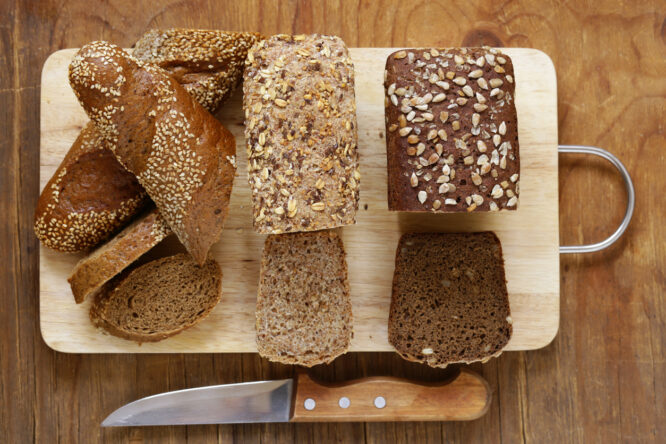
Bread has picked up a reputation as something to avoid at all costs, especially with the rise of low-carb trends. In reality, it depends on the type and how much you’re eating rather than bread itself being a villain. Wholegrain and seeded loaves provide essential fibre and slow-release energy, which are staples for many people in the UK. Cutting bread out completely often removes something that is actually useful and keeps you full, leading to more snacking later on.
Cheese is higher in fat, but still has benefits.
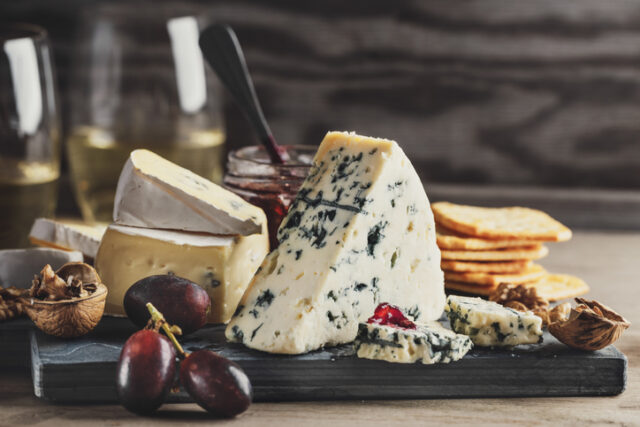
Cheese is often criticised for being high in saturated fat and calories, but it also contains high-quality protein, calcium, and important nutrients like Vitamin A and B12 that support bone health. In sensible portions, it is not something that needs to be avoided. It only becomes an issue when it is eaten in massive amounts or added to already heavy meals without a second thought. A bit of cheddar in a sandwich isn’t going to ruin your health goals.
Eggs are no longer seen as a problem food.
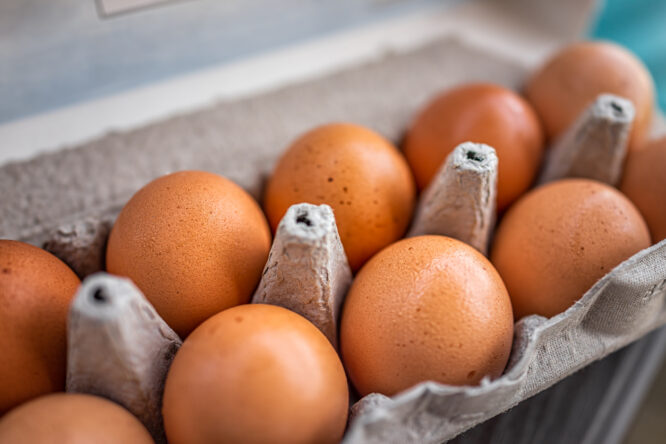
Eggs used to be heavily criticised because of their cholesterol content, with some advice suggesting you should limit yourself to just a couple a week. However, more recent research has shown that for most people, the cholesterol in eggs has a minimal impact on blood cholesterol levels. They’re actually a brilliant, affordable source of protein and vitamin D, which is why they’re still widely recommended as part of a balanced diet rather than something to cut out.
Pasta isn’t as unhealthy as people assume.

Pasta often gets blamed for weight gain, but on its own, it is just a source of complex carbohydrates that your body needs for fuel. The problem usually comes from massive portion sizes or heavy, creamy sauces that add hundreds of hidden calories. Wholemeal pasta can also add a decent amount of fibre, making it even more filling. When paired with plenty of vegetables or a lean protein, it is a perfectly reasonable meal that shouldn’t be feared.
Peanut butter can be part of a healthy diet.

Peanut butter is high in calories, which is why it is often labelled as junk. But it also contains healthy monounsaturated fats and protein, which can help keep you full for much longer than a sugary snack. The key is choosing versions that are 100% nuts without added sugar or palm oil. As long as you’re sticking to a couple of tablespoons rather than eating it by the jar, it is a great way to get some healthy fats into your day.
Popcorn isn’t automatically junk food.

Plain popcorn is actually a whole grain and is surprisingly high in fibre. It is often misunderstood because of the giant buckets served in cinemas that are covered in salt, sugar, and artificial butter. Air-popped popcorn at home can be a fantastic, low-calorie snack option compared to a bag of crisps. It is another example where the toppings are the real problem, not the food itself.
Dark chocolate isn’t as bad as it’s made out to be.
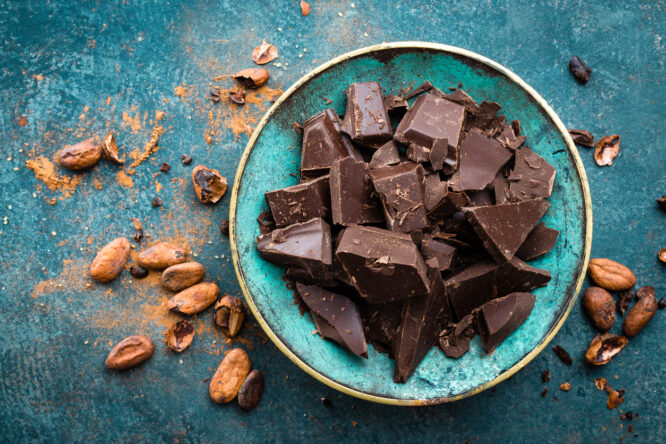
Chocolate is usually grouped into treat territory, but dark chocolate with a high cocoa content contains antioxidants and significantly less sugar than milk chocolate. It is still something to have in moderation because of the fat content, but it doesn’t need to be completely avoided to stay healthy. A small square or two can satisfy a sweet craving without the sugar crash that follows a standard chocolate bar.
Frozen vegetables are just as good as fresh.

Some people see frozen veg as a lesser option, but nutritionally, they can be even better than fresh. That’s because they are often frozen within hours of being picked, locking in the vitamins that fresh veg loses while sitting in a lorry or on a supermarket shelf for days. They’re also much cheaper and help reduce food waste, making them a practical and healthy choice for everyday cooking.
Processed food isn’t all equally unhealthy.
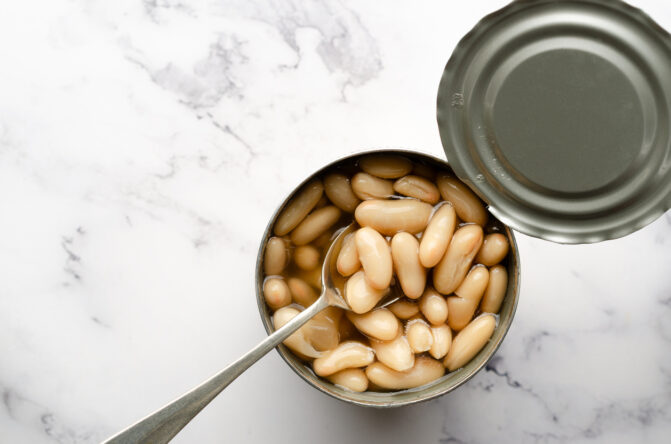
The term “processed food” tends to get a bad reputation, but it covers a huge range of products. Some foods are simply altered for convenience or safety, like canned chickpeas, frozen peas, or wholegrain bread. The bigger concern is “ultra-processed” foods that are loaded with salt and preservatives. It is more about checking the ingredient list than worrying about the fact that something comes in a tin or a packet.
Full-fat dairy isn’t always worse than low-fat.
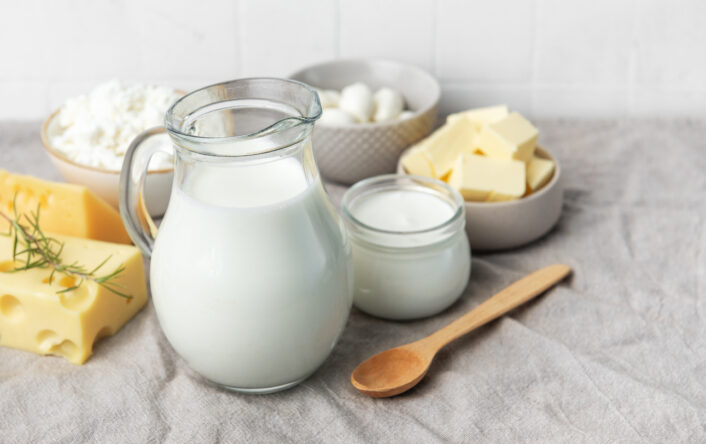
Full-fat dairy products like Greek yoghurt are often avoided because of their fat content, but they are often more satisfying and leave you feeling full for longer. Some low-fat alternatives are packed with extra sugar or thickeners to make up for the loss of taste and texture. For many people, having a smaller portion of the full-fat version is a much more balanced approach than eating a highly altered low-fat product.
Carbs in general aren’t the enemy.
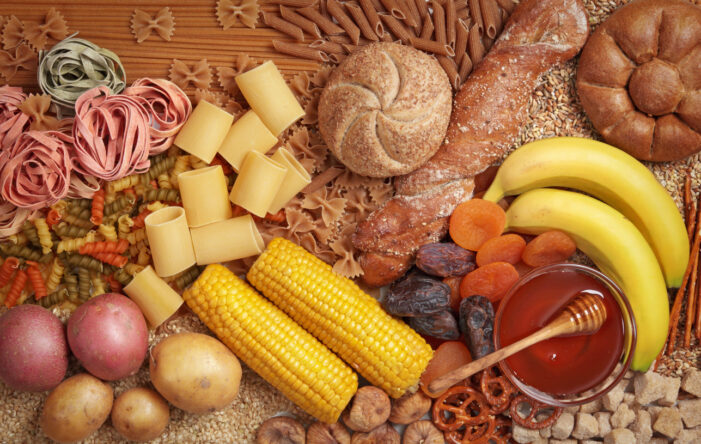
Carbohydrates have become the ultimate dietary scapegoat, but they are the primary source of energy for your brain and muscles. Cutting them out completely can leave you feeling sluggish, irritable, and makes a diet much harder to stick to in the long run. It is usually the quality and quantity that matter, such as choosing brown rice or oats over sugary cereals, not the fact that you’re eating carbs at all.
Not every treat needs to be cut out completely.

There’s a tendency in modern wellness to label foods as strictly good or bad, which can lead to a really unhealthy relationship with what you eat. Most nutritionists now agree that balance is far more important than perfection. Having an occasional treat won’t cause long-term harm on its own. It is the overall pattern of what you eat over weeks and months that matters most, not a single choice you made on a Friday night.
For more on balanced eating and how different foods affect your health, you can check the NHS guide here.