If you’re currently staring at a stack of letters you’re too scared to open or checking your banking app with one eye shut, you’re definitely not alone.

Most of us have been taught that being in debt is some kind of massive personal failure, like we’ve messed up a basic life skill that everyone else has mastered. That feeling of shame is heavy, but a lot of it actually comes from a load of old myths and bad advice that’s been floating around for years. The reality is that life in the UK is expensive, and sometimes the numbers just don’t add up through no fault of your own. Shaking off that embarrassment starts with actually looking at the facts and realising that a lot of what we think we know about debt is just plain wrong.
Here are 15 of the biggest myths about debt that you can stop worrying about right now.
You can go to prison for not paying your debts.

This is the big one that keeps people awake at 3 a.m., and it’s almost always a total lie. For the vast majority of normal debts, like your credit cards, personal loans, or that catalogue you’ve been paying off, you simply cannot be sent to jail. It’s a civil matter, not a criminal one, so the police aren’t going to turn up at your door because you’ve missed a payment to Barclaycard.
There are a few very specific exceptions, like not paying your Council Tax, certain court fines, or TV licences in some cases, but even then, it’s an incredibly long road before prison is even a whisper of a possibility. The people you owe money to want their cash back, and they’re not going to get a penny if you’re locked in a cell.
Bailiffs can just kick your door down.

You’ve probably seen those TV shows where bailiffs are huffing and puffing at the front door, but in real life, they’ve got very strict rules they have to follow, or they’ll lose their licence. For most types of debt, a bailiff cannot enter your home unless you actually invite them in, or they find a door that you’ve left unlocked.
They’re not allowed to climb through your windows, they can’t break your locks, and they certainly can’t push past you to get to your telly. If you keep the doors locked and talk to them through the letterbox or over the phone, they have to stay on the pavement. Knowing your rights here is the best way to stop them from intimidating you.
Your debt will just vanish after six years.

There’s a tiny bit of truth here, but it’s not the get-out-of-jail-free card people think it is. In England and Wales, there’s something called the Statute of Limitations, which says if a creditor doesn’t contact you, or you don’t acknowledge the debt for 6 years, they might not be able to take you to court for it.
However, that doesn’t mean the debt just disappears into thin air. They can still send you letters asking for it, and it’ll still be a massive mess on your credit file that stops you from getting any kind of deal. Relying on this is a massive gamble that usually ends with a surprise court letter just before the 6 years are up.
You’ll never get a mortgage if you’ve had a default.

People think a default on their credit file is a permanent “no” from every bank in the country, but that’s just not how it works. While a default definitely makes things a bit more of a headache for a while, it’s not the end of your home-owning dreams.
Most defaults drop off your record after 6 years anyway, and even before that, there are plenty of lenders who specialise in helping people with a dodgy credit history. You might have to pay a slightly higher interest rate for a bit, but the idea that you’re barred from owning a home forever is a total myth that just isn’t true in today’s market.
Consolidating your debt always saves you money.

The idea of moving all your little debts into one big loan with a single monthly payment sounds like a dream, but you’ve got to be really careful with the maths. Often, you might end up paying a lower amount every month, but because the loan lasts for a much longer time, you actually end up paying back way more in interest over the years.
Plus, if you’re securing that new loan against your house, you’re taking a massive risk; if you can’t keep up with the new payments, your home is on the line. It works for some people, but it’s a tool you need to use very carefully rather than a magic fix.
Being in debt means you’re bad with money.

This is the lie that causes the most shame, and it’s the one we need to bin immediately. Most people in the UK don’t get into debt because they’re out living a high life they can’t afford. They get into debt because their car failed its MOT, their energy bills tripled, or they had to take time off work to look after a sick relative.
Debt is usually just the result of a gap between what you earn and what it costs to stay alive in an expensive country. It’s a systemic problem, not a character flaw, and you shouldn’t feel like a failure just because the numbers don’t add up this month.
You can’t have a bank account if you’re bankrupt.

If you’re going through bankruptcy or a Debt Relief Order (DRO), you might worry you’ll be left carrying cash around like it’s the 1950s. The truth is that most high street banks offer Basic Bank Accounts specifically designed for people in this exact situation.
You won’t get a fancy credit card or a big overdraft, but you’ll still have a debit card and a safe place for your wages or benefits to go. Having a bank account is a basic necessity, and the banking system has ways to make sure you’re not locked out of it just because you’re sorting out your finances.
Debt collectors have the same powers as bailiffs.

There’s a massive difference between a debt collector and a bailiff, and knowing which one is knocking is vital. A debt collector is just someone working for a company trying to get their money back. They’ve got no more legal power than the person delivering your shopping. They can’t take your stuff, they can’t enter your house, and they have to leave if you tell them to go.
Only a bailiff, who is acting on a specific court order, has those extra powers to come onto your property. If someone turns up without a court order, you don’t have to let them past the front gate.
Your partner is responsible for all your debts.

Unless you’ve actually signed a joint agreement, such as a joint bank account, a mortgage, or a loan you both put your names on, your debt belongs to you and nobody else. Your partner isn’t legally required to pay off your credit card just because you’re married or living together.
Their credit score shouldn’t be dragged down by your debts either, unless your finances are linked through one of those joint products. You’re two separate people in the eyes of the law when it comes to your individual spending.
Paying off a debt immediately deletes it from your history.

It would be lovely if paying back what you owe acted like a giant undo button, but that’s not how the credit bureaus work. Even if you pay every penny back tomorrow, the history of those missed payments or defaults will stay on your credit file for 6 years.
It’ll show as “satisfied,” which looks a million times better to a bank than an active debt, but it doesn’t just vanish. It’s a bit of a slow process to rebuild that trust, but it’s a marathon that’s worth running if you want to get your financial life back on track.
You have to be skint to get professional help.

Some people wait until they’re literally down to their last pound before they call a debt charity because they think their problems aren’t serious enough yet. That’s a massive mistake. The best time to get help is the second you start feeling a bit stressed about your bills.
You don’t need to be at rock bottom or facing an eviction notice to get free, impartial advice. These charities are there to stop you from reaching that point, so calling them early is actually the smartest move you can make.
Using a debt management company is the only way out.

You’ve probably seen the flashy ads on social media promising to write off 80% of your debt in a few easy steps. Most of these are private firms that are going to charge you a fee for things you can actually do yourself for free. In the UK, we’ve got incredible services like StepChange, National Debtline, and Citizens Advice that give you the exact same help without taking a cut of your money.
There’s no secret trick that these private companies have; they’re just charging you for a service you can get elsewhere for nothing.
Talking about debt makes it more real.

There’s this weird feeling that if you don’t talk about it, it’s not actually happening, like it’s a secret you can just keep forever. But keeping it bottled up is what leads to that crushing sense of shame and isolation. The second you tell a mate, a partner, or a professional adviser, the power that debt has over you starts to shrink.
You’ll usually find that once you open up, half the people you know are in the exact same boat, and suddenly the problem feels a lot more manageable when you’re not carrying it alone.
Your credit score is a grade on your life.

People treat their credit score like it’s a school report, but it’s really just a snapshot of how one specific bank sees you as a customer. Different lenders look for different things. In fact, some actually prefer customers who carry a bit of a balance because that’s how they make their interest. A low score isn’t a permanent mark on your character or a sign that you’re a bad person; it’s just a piece of data that you can change over time with a bit of patience and the right habits.
You’ll never be able to rent again.
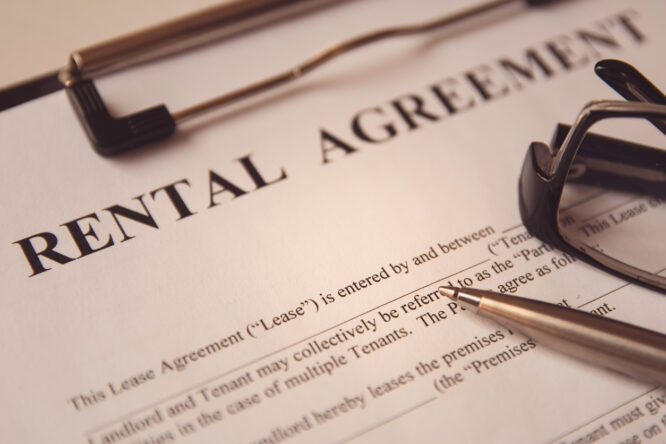
There’s a massive fear that a default or a CCJ means you’ll be sleeping on a park bench because no landlord will touch you. While some big corporate letting agents can be a bit fussy, many private landlords are much more understanding if you’re honest with them from the start. Often, having a guarantor—someone who agrees to pay the rent if you can’t—or paying a bit more of the deposit upfront is all it takes to get you into a new place. Your past mistakes don’t have to define where you live.
Where to get real help:

If you’re struggling, don’t pay for advice. Use these free, UK-based services instead, which exist to ensure everyone has the information they need to make the best financial decisions for themselves and their lives.
StepChange Debt Charity: 0800 138 1111 (or their online tool)
National Debtline: 0808 808 4000, or chat with someone online via their website
Citizens Advice: Visit your local branch or check their website