If you grew up in the 1980s, a lot of childhood memories probably feel normal, right up until you say them out loud to someone younger.
Then suddenly you realise half of it sounds less like wholesome nostalgia and more like something that would raise eyebrows today. A lot of the stuff that felt ordinary back then now clashes with modern ideas around safety, health, and how kids should be looked after. Gen Z, who’ve grown up with stricter rules and more awareness, would probably look at some of these things and wonder how any of us got away with them.
Sitting in a car with adults smoking like it was nothing
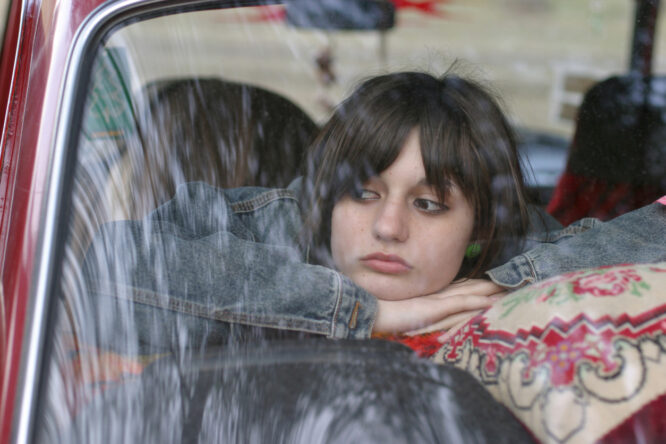
For a lot of ’80s kids, cigarette smoke in the car was just part of the journey. Windows might get cracked open slightly, but nobody treated it like a serious issue. It was normal, even on longer drives, and kids didn’t really have a say in it.
Today, that feels completely out of place. There’s much more awareness around secondhand smoke and how harmful it is, especially for children. The idea of lighting up in a confined space with kids now feels uncomfortable at best and irresponsible at worst.
Bouncing around the back seat without proper restraints
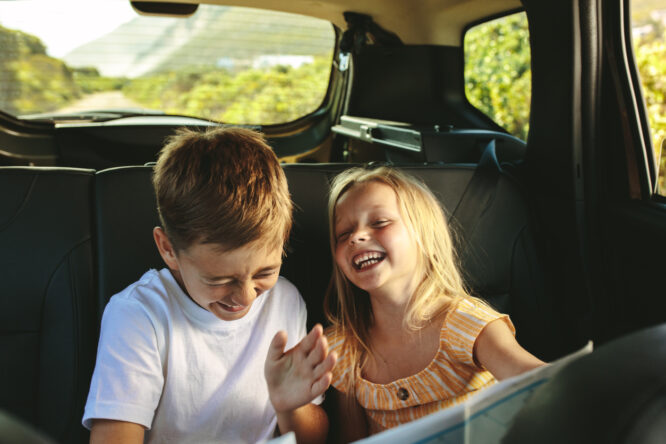
Being loose in the back of the car used to be common. Kids would lie across seats, sit on laps, or move around freely while the car was in motion. It was treated as harmless, even a bit of fun on long journeys. Now, it just looks dangerous. Seatbelts, booster seats and proper restraints are seen as basic, not optional. What once felt like freedom now feels like a risk most people wouldn’t even consider taking.
Being smacked or caned at school by adults in charge

School discipline in the ’80s could be harsh, and physical punishment was still part of everyday life in some places. It was often framed as keeping order or teaching respect, and many children just accepted it as normal.
That idea doesn’t sit comfortably anymore. Attitudes have changed, and the focus has moved toward protecting children rather than controlling them through fear. Looking back, it now feels like adults had far more power than they should have.
Getting left home alone far younger than people would accept now

Many kids were expected to let themselves in after school, make food, and stay out of trouble until an adult got home. It was seen as building independence, and for some families it was just practical. You simply didn’t think twice about it.
These days, people are much more cautious about leaving children alone for long periods. There’s a stronger focus on supervision and safety, and what used to be considered normal now often feels a bit too much, too soon.
Roaming for hours with nobody knowing where you were

There was a time when kids could head out in the morning and only return when it got dark, with no way of being contacted in between. Parents trusted that things would be fine, and that was usually enough.
Now, expectations have changed completely. There’s more awareness of risks, and people expect to know where children are and who they’re with. That old level of freedom now feels a bit too open-ended for comfort.
Riding bikes with no helmet or protective gear
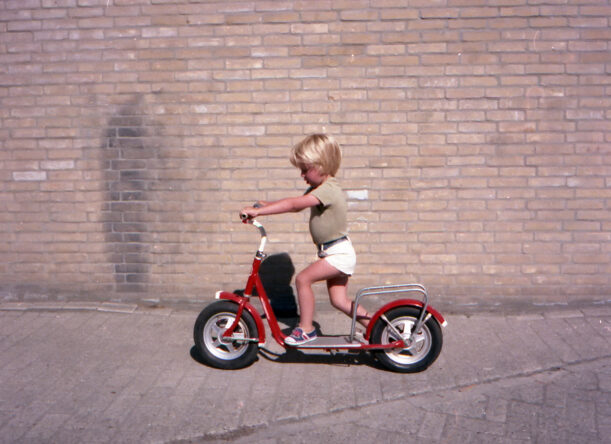
Cycling around without a helmet was just part of growing up. Most kids didn’t think twice about it, and neither did the adults around them. It was seen as harmless unless something actually went wrong, and most of the time, thankfully, it didn’t.
Today, even if it’s not always legally required, it’s definitely encouraged as basic safety and common sense. The idea of sending a child out without basic protection now feels like an unnecessary gamble rather than normal behaviour.
Sitting in the front seat as a small child
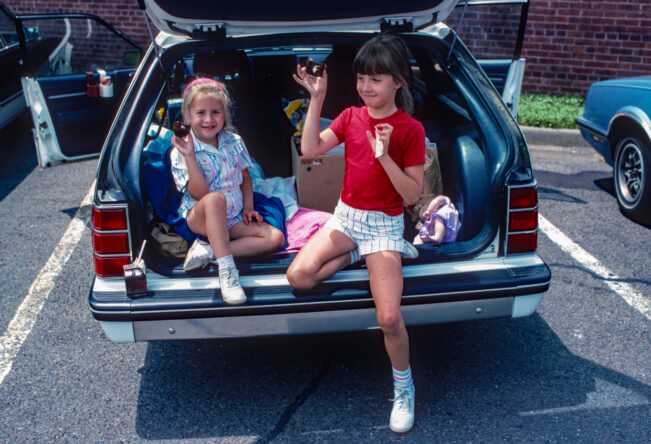
Being allowed to sit in the front seat used to feel like a treat. Kids often ended up there regardless of size, without much thought about safety or airbags. Now, there are clear expectations about where children should sit and how they should be secured. What once felt exciting now feels like something people would avoid completely.
Being sent to the shop for cigarettes for your parents
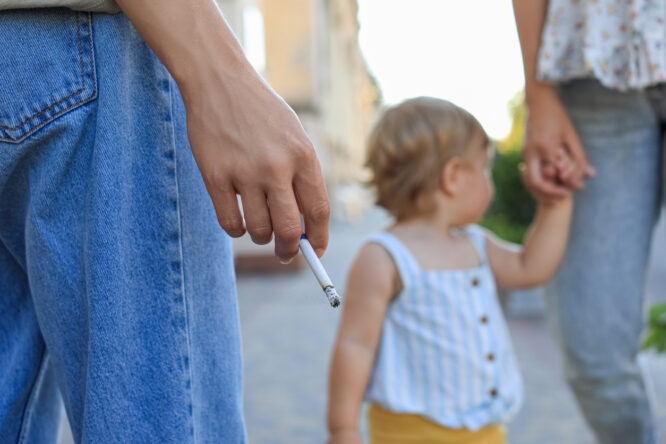
It wasn’t unusual for a child to be asked to pop to the shop and pick up cigarettes for an adult. It was treated like any other errand, and most people didn’t question it. That now feels completely out of step with how society views smoking and children. The idea of involving kids in that kind of purchase would raise eyebrows straight away.
Treating sunburn like a normal part of summer

Peeling skin and bright red shoulders were almost seen as a sign of a good holiday. Sunburn was brushed off as something that just happened when the weather was nice. These days, there’s far more awareness about skin damage and long-term risks. What used to be shrugged off is now taken more seriously, especially when it comes to children.
School food and lunchboxes that were packed with sugar
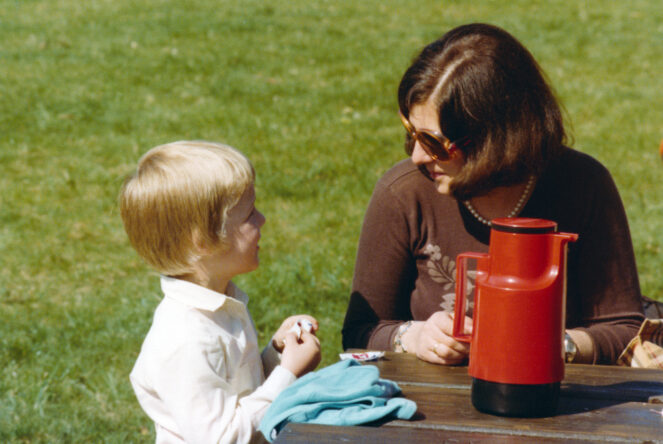
Lunchboxes and school meals often included crisps, sweets, fizzy drinks and not much else. It was convenient and widely accepted, even if it wasn’t particularly balanced. Now there’s a lot more focus on nutrition in schools. What once felt normal now looks like a diet that would be questioned pretty quickly.
Playground equipment that felt genuinely risky
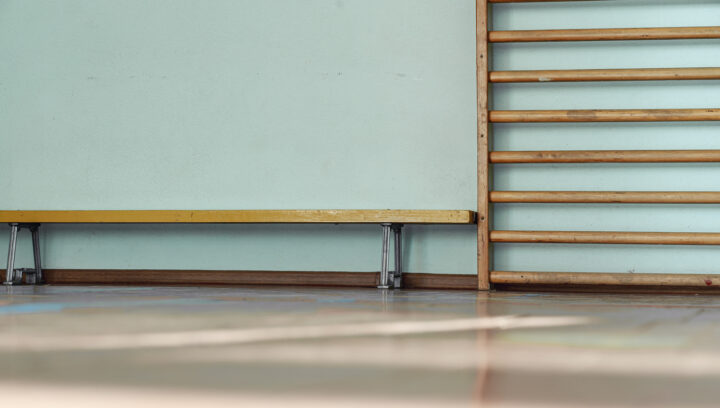
Older playgrounds often had hard surfaces, tall metal frames and very little padding. Falls and bumps were expected, and minor injuries were just part of playing outside. Modern playgrounds are built very differently, with safety in mind at every step. Looking back, the old setups can feel surprisingly unforgiving by today’s standards.
Adults losing their temper around kids without much concern
Raised voices, swearing, or sharp reactions from adults were often treated as normal behaviour that children just had to deal with. It was part of the environment rather than something questioned. These days, there’s more awareness around how that affects children emotionally. The expectation has shifted towards calmer, more respectful communication, which makes the old approach feel much harsher in comparison.
A level of freedom that came with real risks

Childhood in the ’80s is often remembered for its freedom, but that freedom often came with situations that could easily go wrong. Kids were expected to handle things that might have been beyond their age without much backup. Today, there’s more focus on reducing those risks rather than accepting them. What used to be seen as part of growing up now feels like something that could have been handled more carefully.