We’ve all found ourselves standing in front of the fridge at 3 p.m., trying to find something that’ll actually keep us going without leading to a massive sugar crash half an hour later.
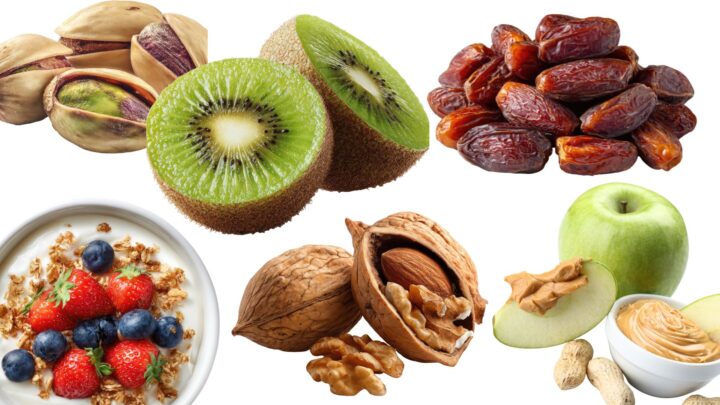
It’s easy to grab a handful of whatever is closest, but most of us are missing a trick when it comes to how we actually put our snacks together. According to the experts, the secret isn’t just about picking the so-called healthy option; it’s about pairing specific foods so they actually work with your body, rather than against it. When you get the balance right, you’re not just filling a hole—you’re making sure your energy stays level, and you’re not reaching for the biscuit tin before you’ve even finished your tea. Here are some of the combos worth keeping (or adding) in your diet.
Kiwi and pistachios
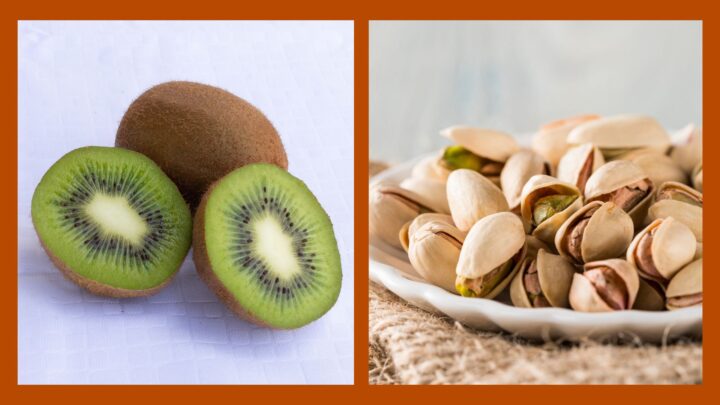
Two kiwis and a handful of pistachios might not be the combo you’d think to reach for, but it covers a lot of gut-health ground in one go. Kiwis are loaded with fibre, both soluble fibre that softens things in your digestive system and insoluble fibre in the skin that adds bulk and keeps things moving. Several studies have shown that eating two kiwis can genuinely help with constipation, which isn’t exactly glamorous but matters more than most people give it credit for.
Pistachios bring polyphenols, the plant compounds that beneficial gut bacteria thrive on, and research suggests eating around 60g a day can increase the bacteria that produce butyrate. Butyrate strengthens the gut lining and dials down inflammation, and it’s one of those compounds that comes up constantly in gut health research for good reason. Have this one in the evening if you can because there’s research linking kiwis specifically to longer and better quality sleep, which is a genuinely useful bonus.
Pomegranate seeds with extra virgin olive oil
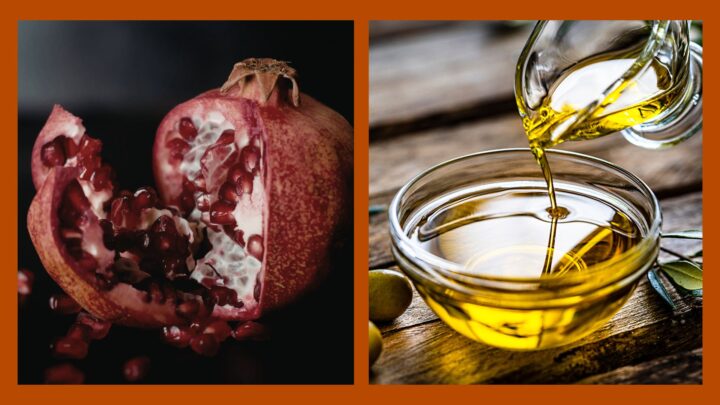
This sounds like an odd pairing until you try it, and then it makes complete sense. Drizzle extra virgin olive oil over a handful of pomegranate seeds, and you’ve got a double hit of polyphenols, the plant compounds your gut microbes are most interested in. Extra virgin olive oil alone contains 36 different polyphenols, including one called oleocanthal with strong anti-inflammatory properties. The pomegranate seeds bring their own set on top, so you’re essentially feeding your gut microbiome from two directions at once.
The fat from the oil also makes it more filling than fruit on its own, which means you’re less likely to be rummaging around in the kitchen twenty minutes later looking for something else. It works well mid-afternoon when energy dips, or after lunch if you want something light that’ll actually carry you through to dinner without having to think about it again.
Greek yogurt and berries
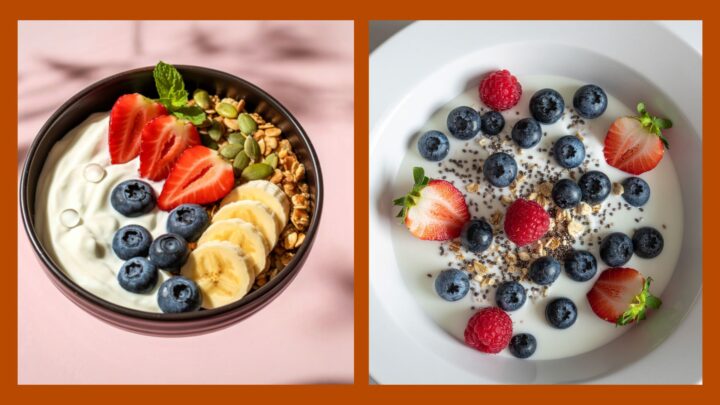
This one’s a classic for a reason, and it holds up. Full-fat Greek yogurt contains live bacteria that directly support your gut microbiome, the vast community of microbes living in your digestive system, and a more diverse microbiome is consistently linked to better overall health. The probiotics in yogurt push that diversity in a useful direction, and the berries add fibre and polyphenols on top, so two ingredients are covering a lot of ground between them.
Greek yogurt is also naturally high in protein, around 15g per 200g serving, which is why it keeps you fuller than most afternoon snacks. Studies comparing it to almonds and crackers found it delayed when people chose to eat dinner and reduced their evening snacking too. Have it mid-afternoon when the energy dip hits hardest, or as a simple dessert with a spoon of honey and a few almonds if you want something that feels like a treat without the sugar spike that leads to more cravings.
Apple with peanut butter
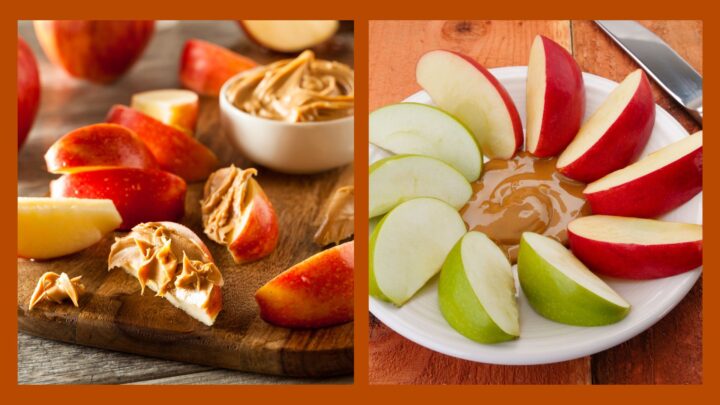
Salty, sweet and crunchy at the same time, which covers basically everything your brain wants from a snack, really. Apples contain pectin, a type of soluble fibre that acts as a prebiotic and feeds the beneficial bacteria in your gut, encouraging them to produce short-chain fatty acids that reduce inflammation and support a healthy gut lining. Leave the skin on because that’s where the highest concentration of pectin, fibre, and polyphenols actually sits.
Peanut butter adds plant protein and healthy monounsaturated fats, and because peanuts are technically a legume, they bring a different type of prebiotic fibre to complement the apple’s rather than duplicate it. The fat and protein also slow down how your body processes the apple’s natural sugars, giving you a steadier energy release instead of a spike and crash. Eat this whenever you’re genuinely hungry rather than sticking to some rigid snacking schedule, which is honestly a more sustainable approach anyway.
Dates stuffed with walnuts
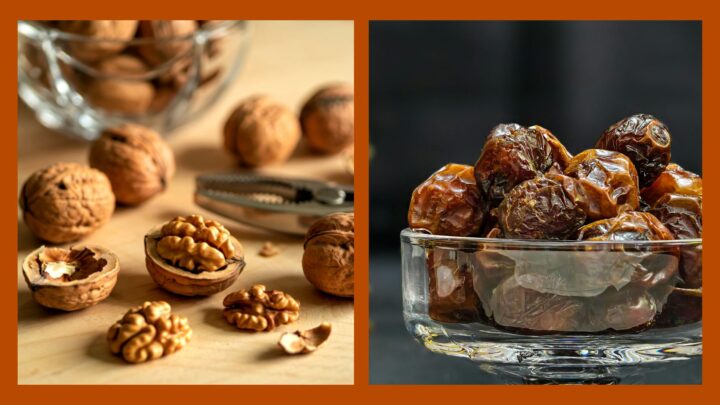
If you’ve got a sweet tooth, and you’re trying to move away from ultra-processed snacks, this is probably the most effective swap going. Medjool dates are naturally sweet and contain both soluble and insoluble fibre, including fermentable fibre that gut bacteria can break down into short-chain fatty acids, which support the integrity of the gut lining. Walnuts add more fibre and a wide range of polyphenols on top.
The natural sugars in dates give you quick, readily available energy, while the fat and fibre from walnuts slow digestion enough that you don’t crash straight after. It works well before a workout or mid-afternoon, and if you want something that genuinely feels like a treat, dipping half a walnut-stuffed date in melted dark chocolate makes this feel like a proper dessert rather than a healthy compromise.
The snack habits worth actually dropping
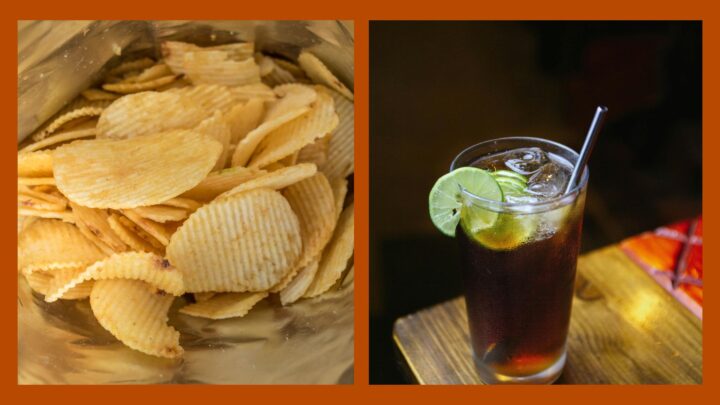
Dried fruit on its own is worth approaching carefully, not because it’s unhealthy, but because it’s essentially sticky sugar that clings to your teeth all day. Pairing it with nuts or saving it for mealtimes cuts down the contact time significantly. Crisps are probably the worst regular snacking habit going because they’re calorie-dense, low in protein and fibre, and almost impossible to stop eating without ever feeling genuinely satisfied.
Sugary drinks on an empty stomach are another one to limit, they hit fast and leave you hungry again almost immediately with nothing to back them up. And if you find yourself snacking constantly out of boredom, that’s usually a sign your main meals aren’t giving you enough protein, fibre, and volume to carry you through properly.
Making it work for you

The bigger picture is that your meals do most of the work. Build them around protein, healthy fats and fibre, and you won’t be reaching for snacks constantly. When you do snack, make it something that actually earns its place.