We spend a lot of our time at work, and that could be doing us more damage than we realise.

If you spend most of your day hunched over a screen, there’s a good chance your posture is doing more damage than you realise. The habit has become so common it’s got its own name, and the effects go well beyond a bit of back stiffness. It’s called desk shrimping, and you may well be guilty of it.
What is desk shrimping?
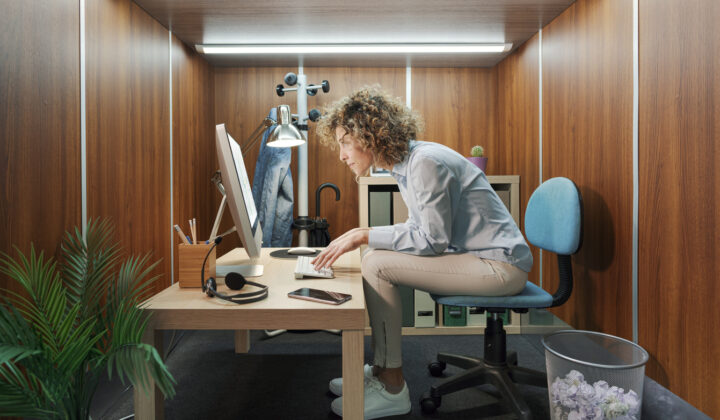
Desk shrimping is the term for the way people curl forward over their keyboards and phone screens as the day goes on. It happens gradually, and most people don’t notice they’re doing it until something starts to hurt. The posture gets its name from the rounded, hunched shape it creates, and it’s become such a recognisable thing that it’s turned into a widely shared internet meme.
The problem is that it’s far more than a running joke. Sitting in that position for hours at a time puts real strain on your body, and the longer it goes on, the harder the consequences become to ignore.
What it does to your muscles and spine

When you hunch forward, your back muscles have to work much harder than they should to support the weight of your upper body. That creates a build-up of tension that, over time, leads to pain in the neck, shoulders, and upper back. Joints stiffen up, muscles weaken from being held in the wrong position for too long, and in more serious cases the discs in the spine can start to degenerate.
The first sign is usually just a vague stiffness or a twinge that’s easy to brush off. That’s actually the point at which it matters most to pay attention because discomfort is the earliest stage on the path to a more serious injury, not just an inconvenience to push through.
The injuries that build up over time

Desk shrimping doesn’t tend to cause one dramatic injury. It’s more of a slow accumulation. Common outcomes include neck and back problems, hip pain, and issues with the hands, wrists, and elbows. Carpal tunnel syndrome is one of the better known results, caused by the unnatural angles the wrists end up in when you’re hunched forward over a keyboard for extended periods.
Nerve compression from holding the body in awkward positions can also cause numbness and tingling that spreads down the arms. None of this tends to appear overnight, which is exactly why people tend to underestimate it.
It affects your breathing and digestion too

This is the part most people don’t expect. Leaning forward compresses the chest and actually reduces the amount of air your lungs can take in with each breath. Less oxygen means the body has to work harder, which contributes to fatigue over the course of the day. The compression doesn’t stop at the chest, either.
The same posture squashes the abdomen, which restricts the space available for digestion. That slows the digestive process, increases abdominal pressure, and can push stomach acid upward in a way that leads to acid reflux, bloating, and constipation. If you regularly feel uncomfortable after eating at your desk, your posture might have more to do with it than what you’re actually eating.
The mental impact is bigger than people expect

Physical discomfort is distracting, and distraction compounds over time. Minor headaches, wrist aches, and neck tension pull your attention away from what you’re trying to concentrate on, making it noticeably harder to think clearly. As the fatigue sets in, error rates go up and decision-making starts to suffer.
It becomes a cycle where the discomfort makes you less focused, being less focused makes you tense up more, and tensing up makes the discomfort worse. People often put this kind of afternoon mental fog down to the work itself, when the chair they’re sitting in and the way they’re sitting in it is actually a big part of the problem.
Why your screen height matters more than anything

The position of your monitor is one of the biggest factors driving the whole issue. If your screen is too low, you tilt your head down to look at it, which pulls the whole upper body forward with it. If it’s too high, you crane your neck upward, which creates a different set of problems.
The goal is to have your eyes level with the top of the screen so that your head sits naturally balanced over your shoulders rather than jutting forward. Rolling your shoulders back and down regularly can also help reset the position your body defaults to, especially if you’ve been shrimping for a while, and it’s started to feel normal.
What to do if you’re using a laptop

Laptops are particularly bad for posture because the screen and keyboard are attached, which means you can’t adjust one without compromising the other. If the screen is at a comfortable height, the keyboard is too high. If the keyboard feels comfortable, you’re probably looking down at the screen.
The solution is to use a laptop riser to bring the screen up to eye level and pair it with a separate keyboard and mouse at a comfortable height below. It takes a bit of setting up, but it removes the fundamental design problem that makes laptops such a reliable source of desk shrimping.
How to sit properly and actually stick to it

The key is to release the tension in your body rather than trying to force yourself into a rigid upright position. When you relax, your body naturally leans back slightly, which brings your back into contact with the chair. That contact means the chair starts taking some of your body weight rather than your muscles having to hold everything up, which reduces the strain considerably and makes breathing easier.
A chair with proper back support is genuinely important here, not a luxury. If your chair doesn’t support your back at the right height, no amount of conscious effort to sit up straight will compensate for it long-term.
Small adjustments that make a real difference

If you use your phone a lot, try lifting it to eye level rather than looking down at it. Resting your elbows on a surface while you scroll or type can help take the weight off your shoulders and reduce the tendency to hunch. Take breaks to stand and move around regularly because even good posture becomes problematic if you hold it without moving for hours.
None of these changes are particularly dramatic, but desk shrimping is a habit that builds slowly, and reversing it works the same way. A few small consistent changes, done regularly, add up to a big difference over time.