If you’re on your own but want a relationship, it’s easier to deal with when you’re a woman.

While society paints women as the ones pining after their dream men, desperate to snag a husband and live happily ever after, that’s actually not the case most of the time. Single men have it a lot worse and find it much harder to be alone than their female counterparts. That’s not because they’re emotionally weaker or needier, though; there are genuine social and cultural reasons why flying solo hits blokes differently than it does women.
1. They weren’t taught how to maintain friendships properly.

Most men grow up learning that deep friendships are somehow less masculine, so they never develop the skills to maintain close emotional connections with their mates the way women do naturally. They’re often taught that vulnerability with friends is weakness, which leaves them isolated when romantic relationships end.
Women typically have strong friendship networks they can lean on for emotional support, practical help, and social connection, but men often find their social circle shrinking dramatically when they’re single. Learning to invest in proper friendships as an adult takes conscious effort, but it’s absolutely worth it for your mental health and overall happiness.
2. They’re less likely to ask for help when they’re struggling.
Society teaches men that asking for support is somehow admitting defeat, so they’re much more likely to bottle up their problems and try to handle everything alone. This means mental health issues, loneliness, or practical struggles often get worse before they get better.
Women are generally more comfortable reaching out to friends, family, or professionals when they need support, which helps them process difficult emotions and find solutions faster. If you’re a bloke struggling with being single, remember that getting help isn’t weak. It’s actually the smart thing to do.
3. They often lack basic domestic skills.

Many men reach adulthood without knowing how to cook properly, keep a house clean, or manage household admin because they were never expected to learn these skills growing up. When they’re single, this creates genuine stress and often leads to unhealthy eating habits or chaotic living situations.
Women are typically taught these life skills from a young age or pick them up naturally, so being single doesn’t usually mean living on takeaways or in a messy flat. Learning basic domestic skills as an adult isn’t difficult, but it does require admitting you need to learn and actually making the effort.
4. Their social lives often revolve around romantic relationships.
Men frequently use their romantic partners as their primary social coordinators, relying on girlfriends or wives to maintain friendships, organise social events, and keep family connections strong. When the relationship ends, they suddenly find themselves without much of a social life.
Women are more likely to maintain their own social networks independently of romantic relationships, so being single doesn’t necessarily mean being socially isolated. Building your own social connections takes effort, but it means you’re not dependent on a romantic partner for your entire social world.
5. They struggle more with emotional processing.

Most men aren’t taught healthy ways to identify, express, or work through complex emotions, so breakups, loneliness, or life transitions can feel overwhelming in ways they can’t articulate or address effectively. This often leads to depression, anger, or destructive behaviours.
Women typically learn emotional literacy earlier and have more practice talking through feelings with friends, which helps them process difficult experiences more effectively. Developing emotional awareness and communication skills isn’t naturally masculine or feminine; it’s just human, and everyone benefits from learning these tools.
6. They face more pressure to be providers.

Even though attitudes are changing, many men still feel intense pressure to be financially successful and provide, which can make being single feel like a personal failure rather than a life phase. This pressure often creates anxiety about their worth and attractiveness as partners.
Women face different pressures, but they’re generally less likely to tie their entire self-worth to their ability to financially support a partner or children, which can make single life feel less like they’re failing at something fundamental. Your value as a person isn’t determined by your relationship status or bank balance.
7. They have fewer emotional outlets.

Men are often discouraged from expressing vulnerability, sadness, or fear, which means they have limited ways to release emotional pressure when life gets difficult. This can lead to these feelings building up until they explode in unhealthy ways.
Women typically have more socially acceptable outlets for emotional expression, whether through friendships, family relationships, or even crying, which helps prevent emotional overload. Finding healthy ways to express and process emotions, whether through talking, writing, exercise, or creativity, is crucial for mental health.
8. They’re more likely to use unhealthy coping mechanisms.

Without proper emotional outlets or support networks, single men often turn to alcohol, drugs, workaholism, or other destructive behaviours to numb difficult feelings rather than addressing them directly. These coping mechanisms create more problems while avoiding the real issues.
Women aren’t immune to unhealthy coping, but they’re statistically more likely to get support or use healthier methods to deal with stress and emotional pain. Recognising when you’re using something to avoid dealing with problems is the first step toward finding better ways to cope.
9. They get less emotional support from family.

Families often worry more about single women and offer more emotional check-ins and practical support, while assuming single men are fine and don’t need the same level of care. It can leave them feeling forgotten or less important to their families.
It’s not necessarily intentional. In reality, it’s often based on outdated assumptions that men don’t need emotional support the way women do. If you’re not getting the family support you need, it’s okay to ask for it directly rather than hoping they’ll notice you’re struggling.
10. They have smaller support networks overall.

Men typically have fewer close friendships than women and are less likely to maintain regular contact with extended family or community connections. That means when they’re going through difficult times, they have fewer people to turn to for support.
Women generally maintain broader social networks with different types of relationships serving different needs, which provides more resilience during tough times. Building a diverse support network takes time and effort, but it’s one of the best investments you can make in your wellbeing.
11. They’re judged more harshly for being single.
Society tends to view long-term single men with more suspicion than single women, often assuming there must be something wrong with them or that they’re commitment-phobic. That judgement can create shame and pressure that makes being single feel like a personal failing.
Single women face different judgements, but they’re often seen as choosy or independent rather than defective, which can make the experience less psychologically damaging. Remember that being single is a valid life choice, not a reflection of your worth or desirability.
12. They struggle more with domestic loneliness.
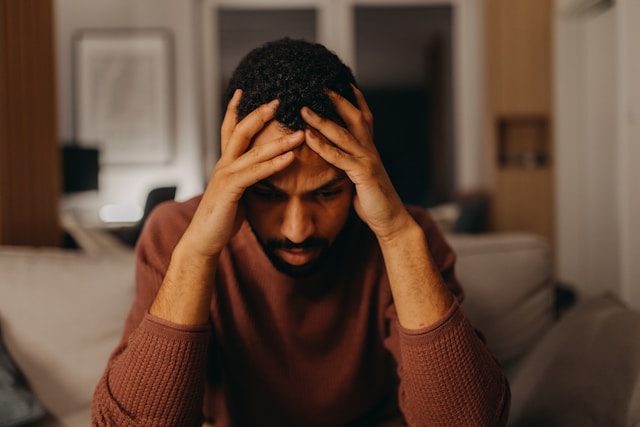
Many men find the practical aspects of living alone more challenging because they’re not used to managing household tasks, cooking for one, or creating comfortable living spaces. It can make home feel depressing rather than peaceful.
Women are more likely to create cosy, welcoming homes for themselves and enjoy domestic activities like cooking and decorating, which makes solo living more pleasant. Learning to make your space comfortable and developing some domestic skills can transform how you experience living alone.
13. They receive less encouragement to enjoy single life.

Society constantly tells women that being single can be empowering and fun, with messages about independence, self-discovery, and focusing on career goals. Men rarely receive these positive messages about single life and are more likely to be pitied or pressured to find someone.
That cultural difference means men are less likely to see being single as an opportunity for personal growth or enjoyment, instead viewing it as a problem to be solved quickly. Single life can actually be incredibly rewarding when you approach it with the right mindset and invest in yourself.
14. They’re less likely to invest in self-care.

Men are often taught that focusing on their appearance, mental health, or personal wellbeing is somehow feminine or vain, so they neglect basic self-care that could improve their mood and confidence. It often makes them feel worse about themselves and less attractive to potential partners.
Women are generally encouraged to invest in their physical and mental wellbeing from a young age, which helps them maintain better self-esteem and life satisfaction regardless of relationship status. Taking care of yourself isn’t vanity; it’s basic maintenance that everyone needs to do to feel their best.