Being intelligent doesn’t always make social life easy—quite the opposite, actually.

Some of the smartest kids often find it hard to build friendships, not because they don’t have amazing personalities or aren’t fun to be around, but because they operate on a bit of a different wavelength. Here are the reasons why they might struggle socially and what can make things easier for them.
They overthink social moments.

Smart kids can replay conversations in their heads, analysing every word. This makes socialising stressful instead of fun because they worry too much about how they’re coming across to those around them.
The fix is encouraging them to relax and focus on connection rather than perfection. Reminding them that no one’s keeping score makes socialising feel less like pressure and more like genuine friendship.
They have different interests than many of their peers.
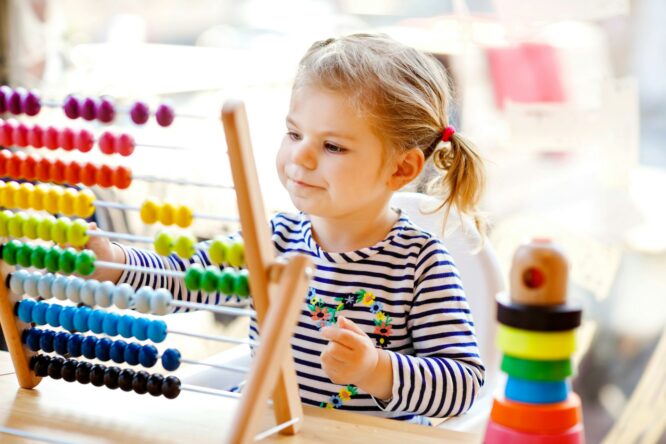
Sometimes their passions don’t match those of their peers. While other people might chat about football or music, they might prefer books, science, or hobbies that don’t click in the same social circles.
Helping them find communities or clubs where their interests are shared can make a big difference. Having even one friend who “gets it” helps them feel less out of place socially.
They may correct people too much.

Pointing out mistakes feels natural to some smart kids, but it can annoy their peers. Constant corrections come across as showing off, which pushes potential friends further away instead of closer.
Encouraging tact and patience helps. Teaching them that friendship matters more than being right all the time builds social awareness and makes their knowledge feel like a strength, not a barrier.
They hide parts of themselves.

To fit in, some clever kids downplay their smarts. They keep quiet in groups or pretend not to care about things they love, which makes connections shallow instead of genuine or long-lasting.
Showing them they don’t need to shrink themselves builds confidence. Real friends will value who they are, and honesty about their interests creates deeper bonds than masking ever could.
They get labelled as different.

Being called the “brainy one” can set them apart. Labels stick, making classmates see them as separate, which limits chances to connect naturally in group activities or shared experiences at school.
Encouraging balance helps. Celebrating intelligence while also showing their other qualities reminds everyone they’re more than just “the smart kid,” giving them space to connect beyond academics.
They can be perfectionists.

High standards don’t just apply to schoolwork. They sometimes expect the same from friends, which makes social connections feel demanding. Small mistakes or misunderstandings can seem bigger than they actually are.
Helping them accept imperfection in friendships brings relief. Reminding them that real friends won’t always get it right creates room for forgiveness and a healthier approach to connection.
They struggle with small talk.

Chit-chat feels pointless to some smart kids. They’d rather dive into deep topics, which makes casual interactions awkward. Peers might feel uncomfortable if conversations jump straight into complex ideas too quickly.
Practising simple, light conversation skills can bridge the gap. Showing them how small talk leads to bigger connections makes it feel less trivial and more like a natural step toward real friendships.
They may seem older than their age.

Because of maturity, smart kids can feel out of sync with peers. They might relate more to adults or older students, which makes it harder to connect with kids their own age socially.
Encouraging mixed-age interactions, like joining groups with shared interests, can help. It gives them spaces where maturity is an asset, while still leaving room for friendships with kids their age.
They can come across as know-it-alls.

Even if unintentional, their confidence can sound like arrogance. When they share knowledge too often, some people may feel overshadowed, which causes distance instead of closeness in potential friendships.
Showing them how to balance listening with sharing builds stronger bonds. When peers feel heard and valued, friendships grow naturally without resentment over who dominates the conversation.
They’re sometimes shy or anxious.
Being smart doesn’t erase social nerves. Clever kids can still feel awkward or anxious in groups, holding them back from reaching out and starting conversations that might lead to friendships.
Small steps help. Encouraging them to start with one-on-one interactions feels less intimidating. Building confidence gradually makes group situations easier to handle without feeling overwhelmed socially.
They might be sensitive to rejection.

Rejection hits harder for some bright kids, making them hesitant to try again. They fear putting themselves out there only to be pushed away, which creates a cycle of isolation over time.
Helping them reframe rejection as part of life makes it easier. Not every connection will work out, but trying again is what leads to finding the friendships that truly fit them.
They notice social dynamics too much.

Some clever kids pick up on every nuance, from tone of voice to body language. While it shows awareness, it can also overwhelm them, making social situations feel exhausting rather than enjoyable.
Encouraging them to focus on the bigger picture helps. Reminding them that not every signal has a hidden meaning makes social life feel more relaxed and less like constant analysis.
They don’t always prioritise friendships.

Between hobbies, studying, and other interests, friendships sometimes take a back seat. Smart kids can get absorbed in personal goals, leaving little time or energy to build social connections properly.
Helping them see the value of balance matters. Friendships add joy and support that schoolwork can’t. Reminding them to make space for people ensures they don’t miss out on meaningful bonds.