Kids can be unpredictable, with moods and behaviours that change pretty much daily.

That’s par for the course with children. Most of it is part of normal development, but sometimes patterns hint at deeper issues that may need addressing and treating ASAP before they get out of control. Knowing the difference helps parents and carers respond with both reassurance and awareness.
1. Occasional tantrums versus constant rage
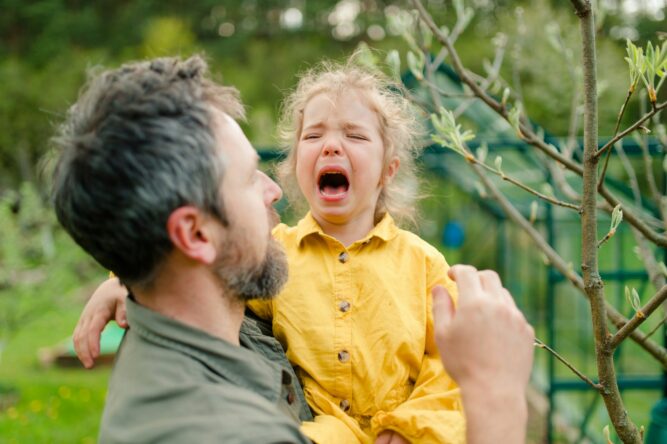
Most kids throw tantrums when they’re tired, hungry, or frustrated. These outbursts are part of learning boundaries and self-control. They usually pass quickly and leave the child calm again once their need is met.
If tantrums turn into frequent, prolonged rages that happen regardless of circumstances, it may point to deeper issues. Uncontrolled anger that disrupts daily life or relationships deserves closer attention.
2. Shyness versus complete social withdrawal

Plenty of kids are shy, especially in new settings. They may cling to a parent or take time to warm up before joining in. With gentle encouragement, most eventually engage and form healthy friendships with their peers.
When a child consistently avoids interaction, even with familiar people, it can signal more than shyness. Withdrawal that lasts and prevents them from making friends might suggest anxiety or other emotional challenges.
3. Fearfulness versus extreme phobias
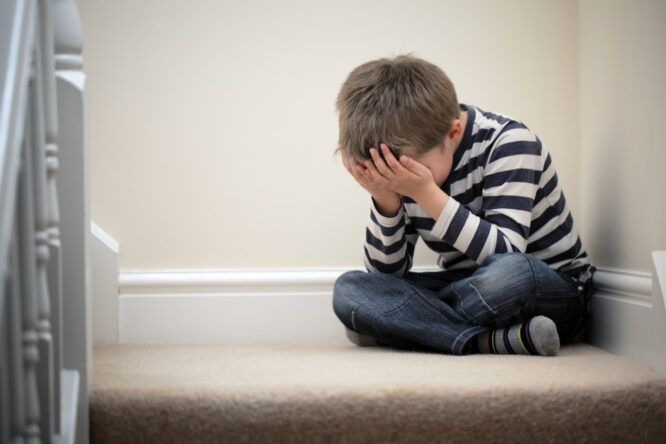
It’s completely normal for children to have fears, whether of the dark, loud noises, or unfamiliar situations. These worries usually fade with reassurance and experience. They’re part of building resilience.
That being said, when fears are intense, long-lasting, or severely limit daily activities, they may be more serious. Extreme phobias can interfere with school, sleep, or play, showing that support may be needed.
4. Daydreaming versus constant disconnection

Kids often get lost in their imaginations, drifting off during class or while playing. This kind of daydreaming is common and usually harmless, reflecting creativity and curiosity. In fact, it can even be helpful, and a true sign of intelligence.
Persistent disconnection, however, is different. If a child regularly seems unreachable, detached, or unaware of their surroundings, it may be worth exploring whether it is linked to deeper struggles like trauma or attention difficulties.
5. Mood swings versus ongoing sadness

Ups and downs are natural as children learn to handle emotions. One moment they may be laughing, the next crying, often with little trigger. These swings usually pass as quickly as they appear. That’s natural and not a problem.
If sadness lingers for weeks, though, interfering with sleep, appetite, or enjoyment of activities, it points to something more than normal moodiness. Consistent low mood can be an early sign of depression in children.
6. Curiosity about rules versus defiance of all authority

Testing boundaries is how children learn. Ignoring instructions or bending rules here and there is part of growth. With guidance, most learn where the limits are and why they matter. They may not understand every rule that’s set, but they get the importance of following them.
When defiance is constant, aggressive, or aimed at rejecting all authority figures, it becomes more concerning. A persistent refusal to follow rules can be a sign of underlying behavioural or emotional difficulties that need attention.
7. Short attention spans versus total inability to focus

Young kids naturally flit from one thing to another. Concentration grows with age, so it is normal if they struggle to sit still for long in early years. Occasional distraction is expected, and it changes as they get a bit older.
If a child is unable to focus on any task for even a short time, it may go beyond normal development. Consistent difficulty concentrating can point to conditions like ADHD or other attention-related challenges.
8. Sibling rivalry versus aggressive cruelty

Arguments and jealousy between siblings are standard. They help children learn negotiation and empathy. Most disagreements blow over quickly and rarely cause harm beyond hurt feelings. In fact, siblings end up forming a close bond that lasts a lifetime.
When rivalry turns into ongoing cruelty that includes physical harm, intentional bullying, or extreme hostility, it’s more than sibling squabbling. Persistent aggression toward brothers or sisters can be a warning sign of deeper struggles.
9. Strong opinions versus harsh negativity

Kids often express strong likes and dislikes. Being picky about food, clothing, or activities is part of asserting independence. These opinions change as they grow and experience more variety. That’s how they learn and develop their own unique identities.
However, when outlooks are overwhelmingly negative, with constant criticism or pessimism, it may point to more serious emotional issues. A persistently bleak view of life shouldn’t be brushed off as simple fussiness.
10. Playful lies versus manipulative dishonesty

Most children experiment with fibs, like denying they ate the last biscuit or making up a story. It is part of learning about truth and consequences, and most quickly grow out of it. Their lies are generally harmless and not about anything serious.
Manipulative dishonesty is different. If a child lies regularly in ways that deliberately harm or control people, it’s a red flag that something deeper is happening. Repeated patterns of deceit may be a sign of behavioural issues that require support.
11. Restlessness versus destructive behaviour

Young people are naturally full of energy. Running, climbing, and fidgeting are all normal ways of exploring their environment. Restlessness alone isn’t a cause for concern, especially in active children and even teenagers.
If restlessness turns into destructiveness, such as breaking objects, harming animals, or damaging property, it becomes a red flag. Persistent destructive behaviour should not be dismissed as “just energy” but seen as a sign of deeper problems.
12. Occasional worries versus constant anxiety

Worry is a natural part of childhood and young adulthood, whether about school tests or new experiences. Most worries are short-lived and resolve with reassurance from trusted adults. Occasional anxiety is expected in growing minds.
Of course, when worry dominates their thoughts daily, interfering with school or friendships, it’s more than typical nerves. Constant anxiety requires careful attention and may need professional support if it disrupts normal development.
13. Occasional solitude versus total isolation

Plenty of kids enjoy alone time, reading or playing quietly by themselves. This independence is healthy and helps build self-reliance. Solitude isn’t automatically a concern. In fact, it could just be an indication of a more introverted personality.
Isolation is different. If a child avoids all social contact, shuns friends, and consistently withdraws from group activities, it’s a potential sign of emotional distress that should not be ignored.